







Introduction:Geisha coffee is widely loved for its unique aroma and complex flavors, and the Red Label Geisha from Ethiopia’s Gesha Village is a high-value choice. This article will delve into the historical background of Gesha Village, the regional origin and flavor profile of the Red Label beans, and provide a detailed guide on how to use these beans to brew a SOE latte with clear flavor characteristics — including key parameters such as grind size, coffee-to-water ratio, and extraction time — helping you replicate a professional-level coffee experience at home.
Geisha coffee has seen a continuous rise in popularity in the specialty coffee scene in recent years and is hailed as one of the top varieties in the coffee world. This variety was first discovered in the pristine jungles of Ethiopia and later introduced to Panama, where it gained international fame after winning a competition in 2004, becoming an iconic variety in specialty coffee. However, Ethiopia — the birthplace of coffee — is also home to a well-known estate named after Geisha — Gesha Village — where the Geisha grown here also holds exceptional potential. This article will introduce you to the origins and flavor characteristics of the Red Label Geisha from Gesha Village, and walk you through how to brew a vibrant-tasting SOE latte using this bean.
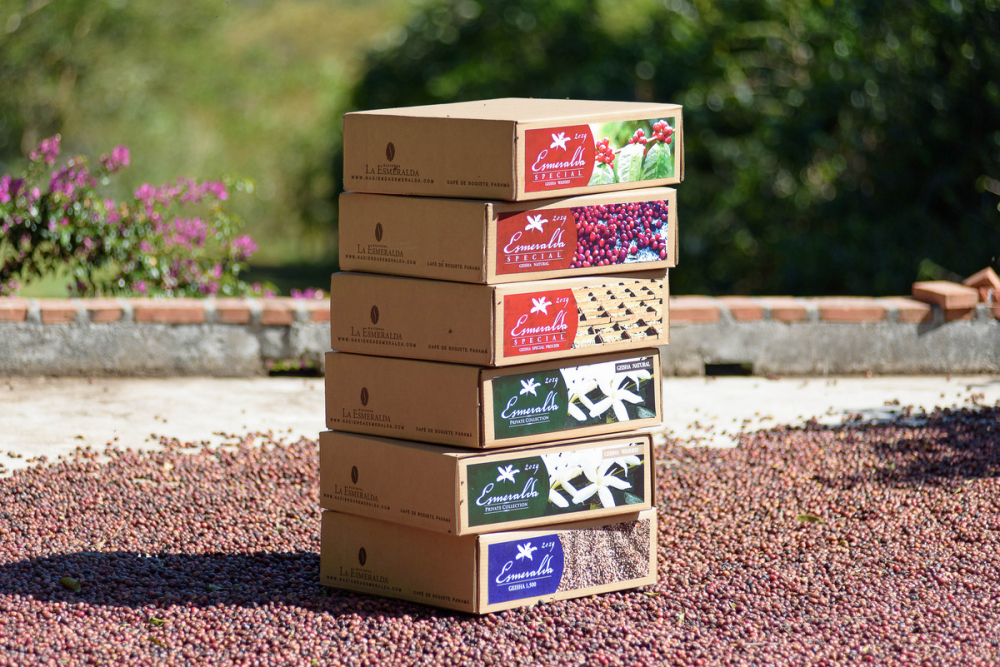
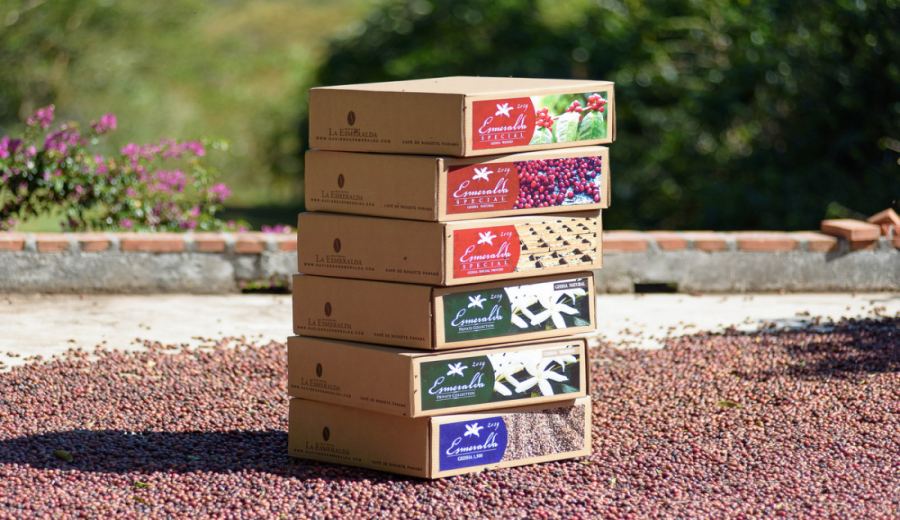
The Geisha variety has been full of stories from the very beginning. It originated in the Gesha region of Ethiopia and was discovered by local farmers and researchers as early as 1931. It was subsequently introduced to several countries for cultivation, including Kenya, Uganda, Tanzania, and Costa Rica. In 1963, Panama’s Hacienda La Esmeralda brought in the Geisha variety from Costa Rica, and in the early 2000s, Hacienda Esmeralda promoted its planting at high altitudes. It then made a huge splash at the 2004 BOP competition, propelling the Geisha variety to fame. However, Ethiopia — the homeland of Geisha — is also home to a renowned estate named after it — Gesha Village — and the Geisha produced here is equally worth trying.
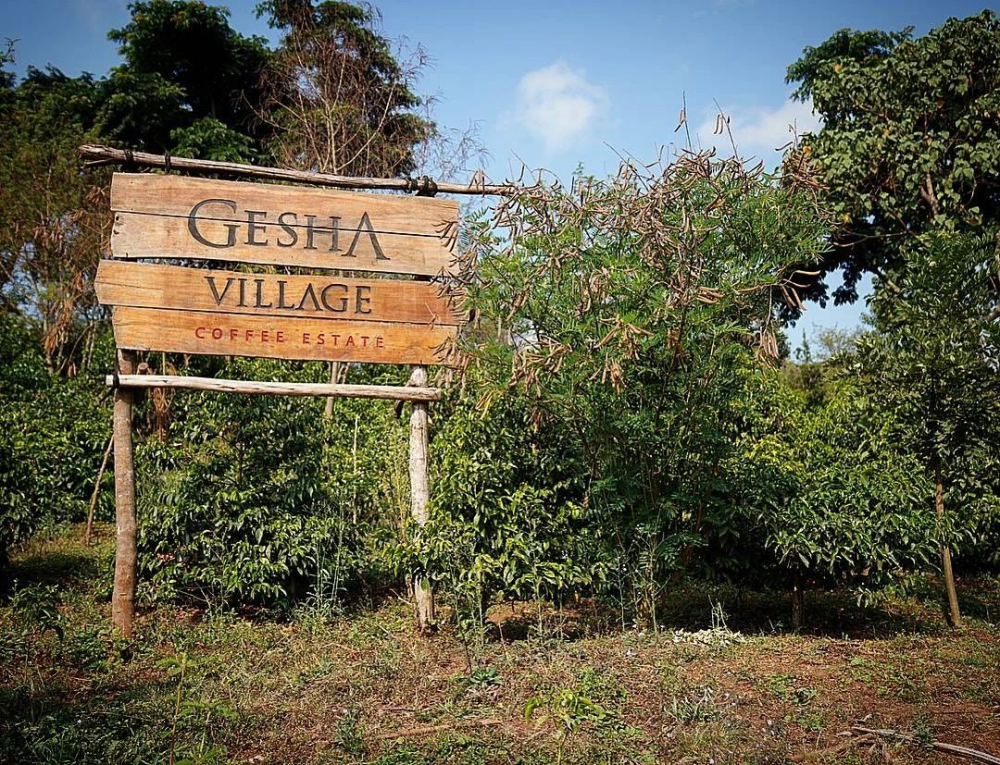
The establishment of Gesha Village Estate dates back to 2011, when founder Adam and consultant Willem Boot discovered wild Geisha trees in the jungle surrounding the estate. Further investigation revealed that this forest was actually the origin of the Gori Gesha. They collected seeds from these wild trees, and after genetic testing and cupping evaluations, confirmed their close genetic relationship with Panamanian Geisha. This became the foundation for seedling cultivation and planting. Gesha Village is located on a plateau at an altitude of over 1,900 meters, with a cool and rainy climate that is highly suitable for growing the Geisha variety, which demands extremely specific growth conditions.
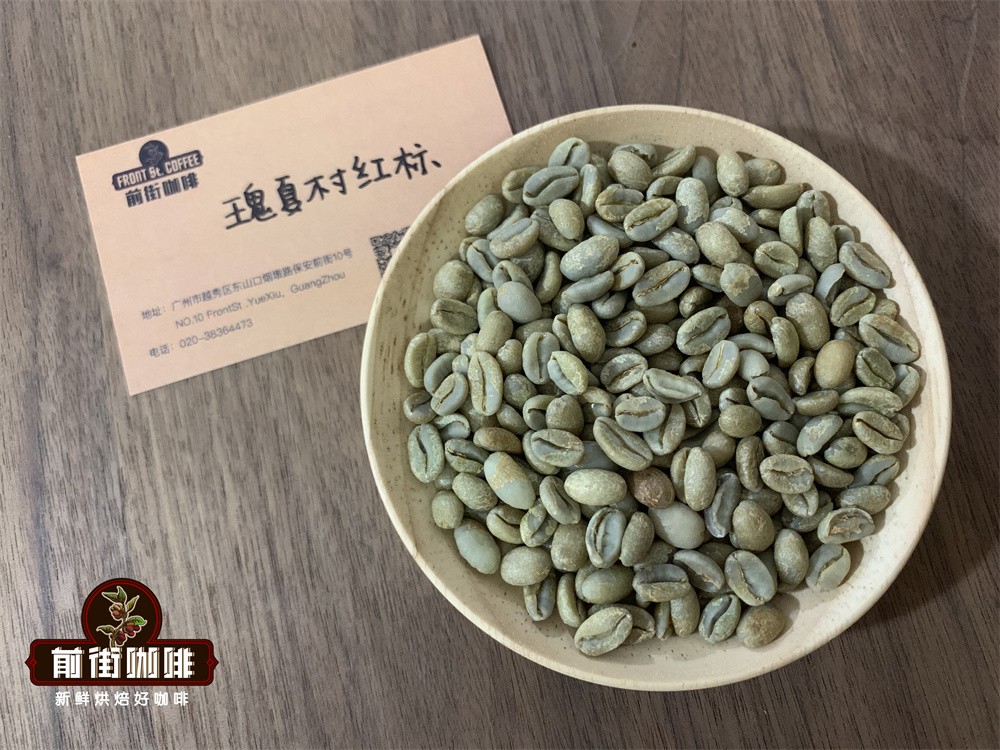
A certain coffee estate divides the cultivation of the Geisha variety into different plots based on microclimate and altitude differences, and strictly grades them, mainly into four tiers: Gold Label, Red Label, Green Label, and CHAKA. Among these, the Red Label Geisha accounts for about 15% of the annual production. It uses the Gori Gesha variety and must score above 88 points in cupping. Although its flavor complexity is slightly lower than that of the Gold Label and auction lots, it still features distinct tropical fruit and floral notes, making it a highly cost-effective option. The Red Label batch provided by a certain shop comes from the Shewa-Jibabu plot, at an altitude between 1,973 and 2,069 meters, and is processed using the natural (sun-dried) method. Its flavor profile often includes layers of lemon, plum, citrus, tropical fruits, and floral tea.
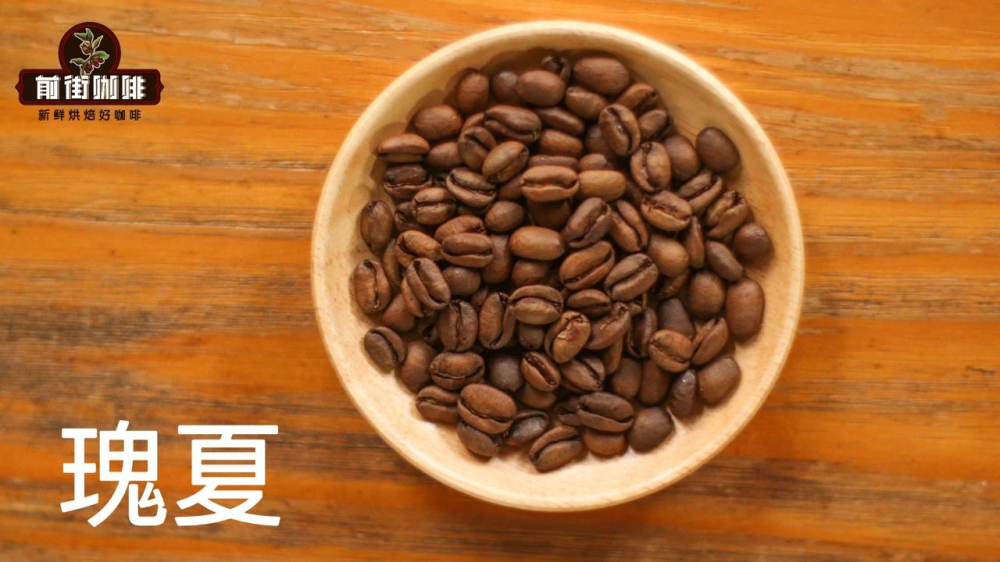
The Red Label from Gesha Village primarily uses the natural (sun-dried) processing method, which can fully showcase fruity notes and sweetness. The harvest season is concentrated between December and March of the following year, during the dry season, which aids in natural drying. After harvesting, the coffee cherries are placed on African raised beds and evenly sun-dried for 21 to 40 days, during which they are frequently turned to prevent uneven fermentation. The beans are only hulled once the moisture content drops to 12%. This traditional processing method gives the Red Label Geisha intense fruity aromas and a rich mouthfeel, making it very suitable for brewing SOE coffee.
If you want to use a Red Label from a certain coffee estate to make an SOE latte, the first thing to pay attention to is the freshness of the coffee beans. It is recommended to choose beans roasted within five days for optimal aroma and flavor performance. A certain shop’s practice is to only ship beans roasted within five days, ensuring consumers enjoy them within the best tasting window. Here are the recommended extraction parameters: use 20 grams of coffee grounds, aiming to extract 40 grams of coffee liquid, with a coffee-to-water ratio of 1:2, and control the extraction time between 26 and 32 seconds. The grind size is recommended to be set at Galileo 2.0, which is suitable for most double-shot baskets and balances flow rate and extraction efficiency.
During actual operation, first clean and preheat the grinder, then grind 20 grams of coffee beans. Use a distribution tool to evenly spread the coffee bed, and then use a tamper to press down vertically to ensure the puck is compact and level. Next, open the coffee machine to preheat the extraction head, pour water for 1 to 2 seconds to wet the group head and remove any residual coffee grounds. Attach the portafilter to the group head, start the extraction, observe the flow of coffee liquid, and stop when you’ve reached 40 grams of extracted liquid and the time is between 26 and 32 seconds. Note that different weather conditions or bean states may affect the flow rate, so you may fine-tune the grind size or coffee dose to achieve the ideal extraction.
The finished SOE espresso can be enjoyed directly. It is recommended to have a glass of water on hand to reset your palate, which helps you better perceive its layers of tropical fruit and floral notes. If you prefer a latte, mix the extracted espresso with freshly steamed milk at a 1:6 ratio to soften the flavor while adding a creamy texture from the milk foam. If you’re not used to the strong taste of pure espresso, you can also add ice water or warm water to adjust it into an SOE Americano at a recommended ratio of 1:4, resulting in a refreshing and well-layered flavor.

The above content is compiled by CoffeeHunters, a coffee news website.


