








Introduction:Gain an in-depth understanding of the unique flavor characteristics of mainstream Brazilian coffee varieties such as Red Bourbon, Yellow Bourbon, Mundo Novo, and Yellow Catuai, and master pour over brewing parameter recommendations tailored to these beans. From the advantages of the pulped natural processing method to the terroir conditions of core producing regions like Minas Gerais and São Paulo, this article will guide you through the essence of Brazilian coffee and provide practical brewing references to help you extract rich, layered Brazilian flavors.
Brazil is the world’s largest coffee producer, and its beans are renowned for their full body, low acidity, and rich nutty tones. Among the many varieties, Red Bourbon, Yellow Bourbon, Mundo Novo, and Yellow Catuai are representative Brazilian coffee cultivars, each showcasing distinct flavor profiles. Additionally, Brazil has developed a unique pulped natural processing method that effectively enhances the coffee’s clarity and consistency. This article will detail the characteristics of these varieties, the intricacies of the processing method, and offer practical pour over suggestions to help you better understand Brazilian coffee.

Brazilian coffee generally exhibits low acidity, sweetness, and a round mouthfeel, with a smooth entry and a finish that carries subtle herbal or woody notes. This relatively “neutral” and widely approachable flavor profile is a key reason why Brazilian coffee enjoys broad global popularity. Compared to other regions’ coffees that emphasize distinct personality and pronounced fruit acidity, Brazilian beans focus more on balance and body, making them ideal for drinkers who prefer stable flavor expression.
Brazil has also made significant innovations in coffee processing techniques, the most representative of which is the pulped natural method. Since most coffee-growing areas in Brazil are at relatively low altitudes with abundant sunlight, coffee trees are often directly exposed to intense sunshine. This environment has led Brazil to develop an adaptive processing method—the pulped natural process. Compared to traditional sun-drying, pulped natural drastically reduces sun exposure time while effectively lowering the risks of over-fermentation or mold, thereby improving the overall quality and stability of the coffee.
The steps of the pulped natural process include: first removing the coffee fruit’s skin and pulp, during which care is taken to distinguish unripe green cherries from ripe ones—usually through a secondary screening to improve ripeness consistency. Next, the mucilage layer is retained for a short fermentation period, but unlike traditional methods, there is no obvious water tank fermentation or clear water rinsing step, allowing for more precise control over the fermentation level, thereby enhancing the coffee’s clarity and ripe fruit aroma. Many high-quality Brazilian coffees, such as Yellow Bourbon from Fazenda Rainha, are processed using this method, delivering exceptional purity and rich complexity.
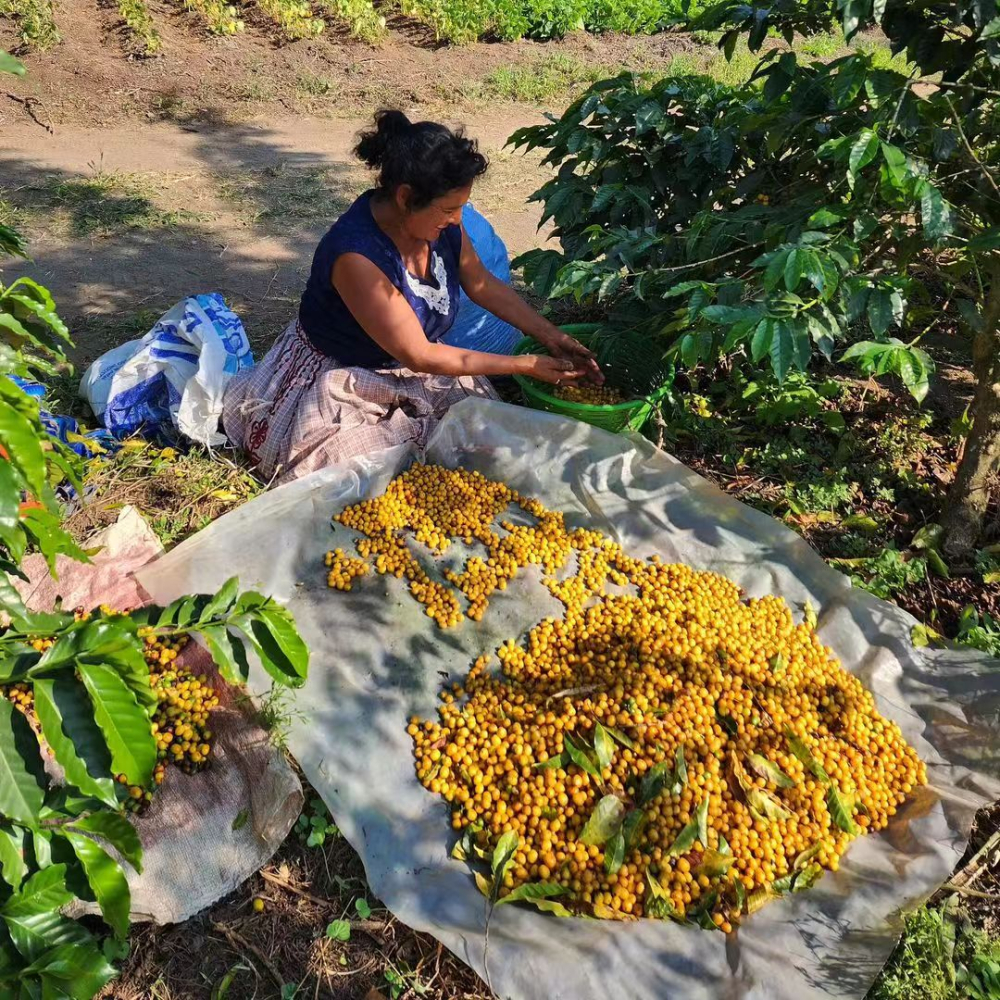
Among the many Brazilian coffee varieties, Red Bourbon is known for its mild acidity and pronounced sweetness. For example, Red Bourbon grown in the Cerrado region at altitudes of 700–1200 meters is often processed via semi-washed methods, exhibiting tropical fruit aromas, low acidity, and excellent smoothness. Such coffees are well-suited for those who enjoy sweet, full-bodied styles, often featuring a natural caramel tone.
Yellow Bourbon is one of the important representatives of premium Brazilian coffee, cultivated at altitudes of 1400–1950 meters in the Mogiana region of São Paulo state. It is typically hand-picked and processed using the pulped natural method. This bean offers clear flavors, outstanding sweetness, with delicate lemon notes and a strong nutty profile, followed by a captivating dark chocolate finish. Its overall mouthfeel is very round and balanced. Brewing it via pour over can fully highlight its layered complexity.
Mundo Novo is a natural hybrid of Bourbon and Typica, first discovered in 1943 in the Uruçuca region of São Paulo state, Brazil. This variety combines high yield with disease resistance, and delivers stable flavor performance. It is commonly found in Brazil’s mid-to-high altitude regions and is well-suited for consumers who prefer balanced taste profiles.
Yellow Catuai is a cross between Mundo Novo and Caturra, possessing excellent disease resistance, especially suitable for high-altitude cultivation. Its flavor profile is delicate, with clean acidity, often featuring bright notes of citrus and stone fruits. It is a variety that has gradually gained attention in recent years within Brazil’s specialty coffee scene.
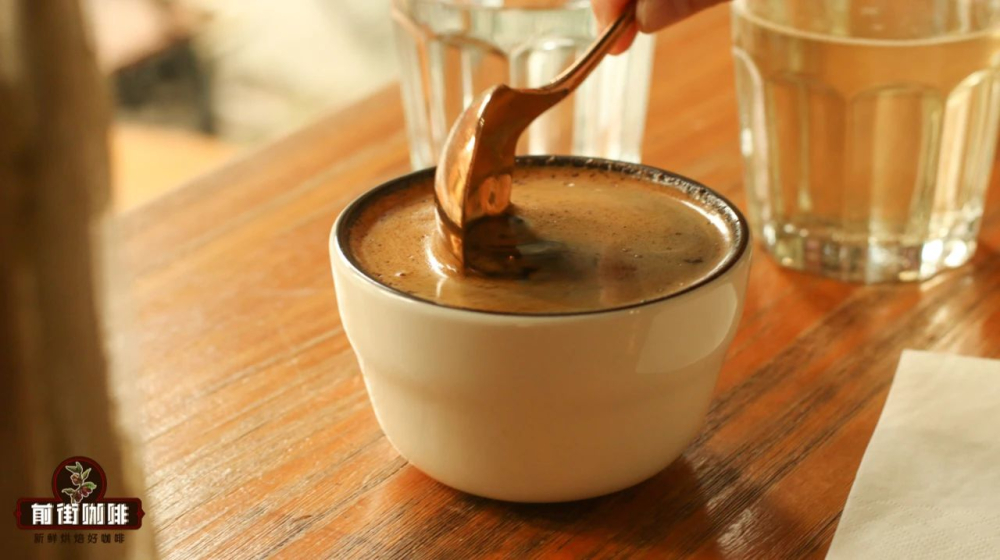
When brewing Brazilian coffee, it is recommended to use a medium-coarse grind (approximately 75% passing through a #20 sieve), with a 1:15 coffee-to-water ratio and about 15 grams of coffee. The water temperature is advised to be set at 88°C to fully bring out the sugary sweetness and full body of Brazilian beans. A three-stage pour over technique is recommended: start by pouring 30 ml of hot water for a 30–40 second bloom; then pour approximately 100 ml of hot water in small circles, and when the water level drops to just about to expose the coffee bed, pour the final 95 ml. Keep the total extraction time around 2 minutes to achieve a balanced and layered mouthfeel.
Brazil’s main coffee-producing regions include Minas Gerais, São Paulo, Bahia, and Espírito Santo, which together account for over 90% of the country’s total production. Among them, Minas Gerais’ Cerrado and Sul de Minas, due to their high altitudes and distinct wet and dry seasons with large day-night temperature variations, are highly suitable for cultivating Bourbon and Yellow Bourbon, making them important sources of specialty coffee. Coffee from the Cerrado region needs to be grown at altitudes between 1100–1300 meters to be classified as authentic “Cerrado coffee,” which features a full body without earthy undertones.
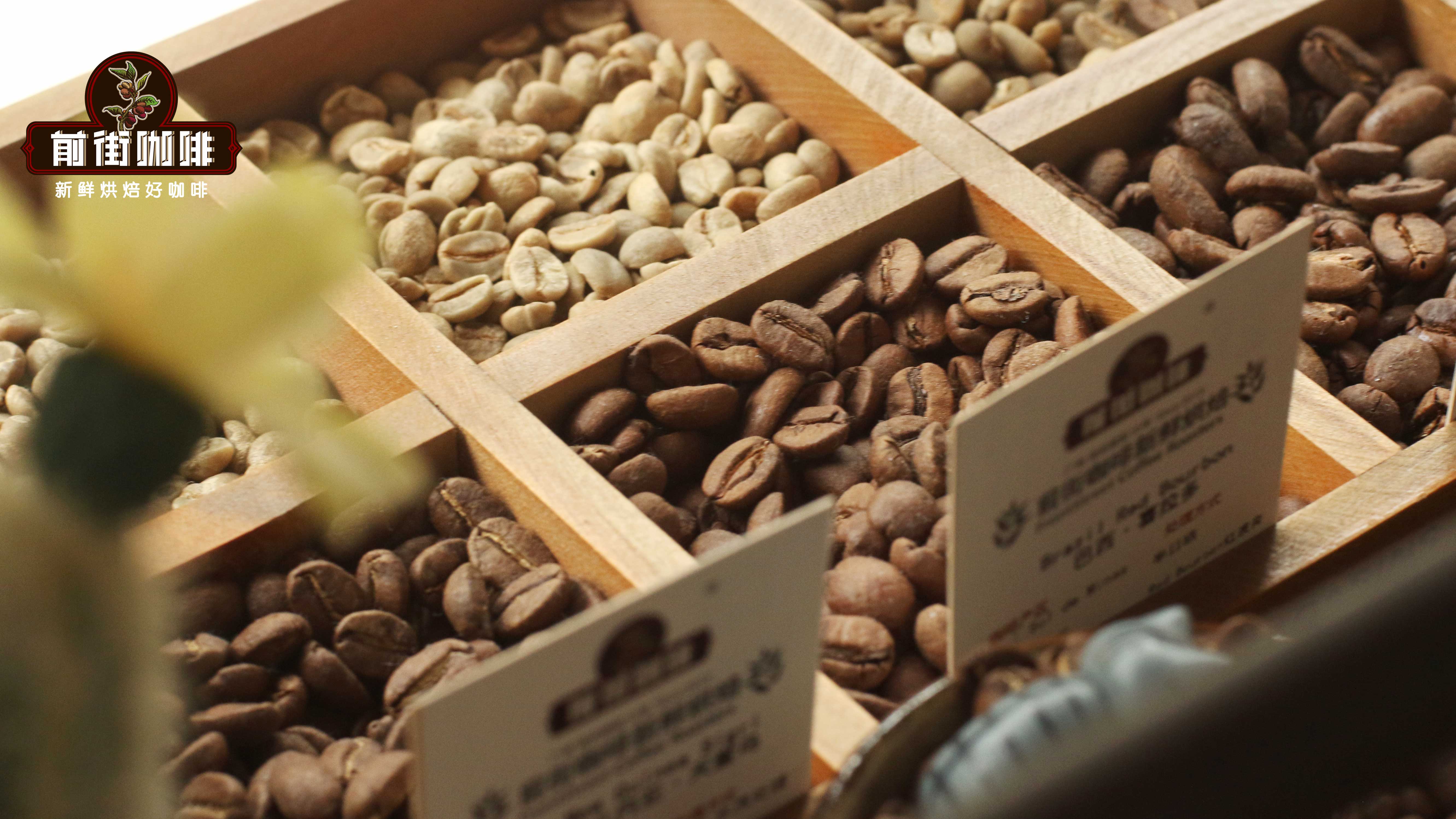
The Sul de Minas region is known for its diverse terrain and microclimates, making it suitable for cultivating varieties with higher flavor expression requirements. Local farms like Fazenda Sertão maintain organic farming practices and fully manual processing, showcasing a delicate flavor profile that differs greatly from large-scale mechanized farms. Meanwhile, the Mogiana region combines the operational models of traditional large farms and modern smallholder estates, utilizing high-tech equipment to produce high-quality coffee with sweet flavors reminiscent of cane sugar.
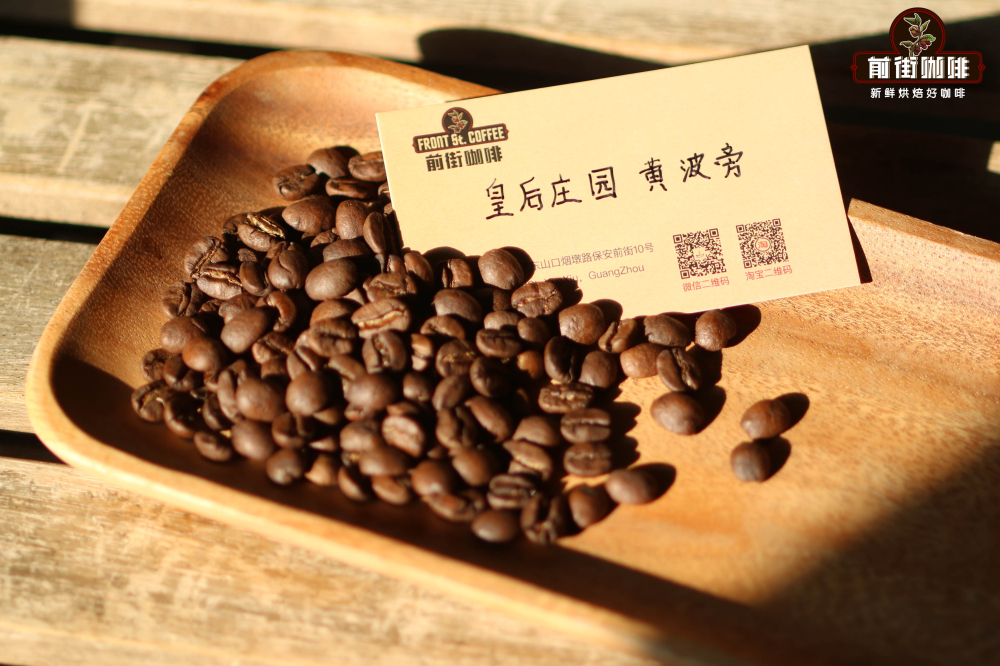
Fazenda Rainha, located in Mogiana, is one of Brazil’s renowned high-quality coffee producing areas. Situated at high altitudes, the estate emphasizes environmental sustainability and hand selection, primarily growing low-yield but premium-quality Bourbon varieties. Its beans consistently receive high market acclaim and are a classic choice for experiencing premium Brazilian coffee.
In summary, the charm of Brazilian coffee lies in its stable, full-bodied, and approachable flavor characteristics. Whether you’re a beginner or a seasoned coffee enthusiast, you can find something to your liking. From the sweet aroma of Red Bourbon, the roundness of Yellow Bourbon, to the delicate acidity of Yellow Catuai, each variety has its own unique appeal. By understanding the terroir features of each producing region and the appropriate brewing parameters, you’ll be able to more fully appreciate the diverse profile of Brazilian coffee.
The above content is compiled by CoffeeHunters, a coffee news website.


