







Introduction:Colombian coffee is beloved by pour over enthusiasts for its balanced acidity and sweetness, coupled with a rich body. This article delves into the characteristics of high-altitude growing regions in southern Colombia, explores green bean grading and processing differences, and provides practical V60 pour over parameters—including a recommended 1:15 coffee-to-water ratio and 90–91°C brewing temperature. It also introduces the flavor profiles of four popular Colombian beans to help you choose the right coffee and brewing method.
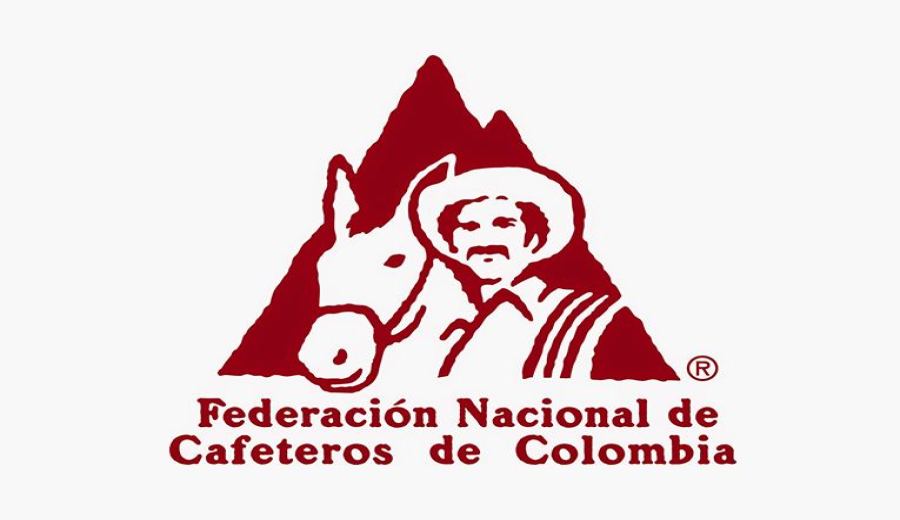
When people think of Colombian coffee, many immediately picture the image of a farmer wearing a wide-brimmed hat and leading a mule. This is the official coffee trademark of Colombia, featuring a backdrop of mountains, along with a mule and figure, vividly representing the country’s diverse coffee-growing stories and rugged transportation history. Due to steep mountain roads, farmers historically relied on mules to transport ripe coffee beans down the hills, making this image a symbol of both quality and regional character.

The global popularity of Colombian coffee stems from its uniquely balanced flavor—gentle yet bright acidity paired with sweet notes reminiscent of dark chocolate and caramel, all layered clearly yet smoothly. These qualities make it not only ideal for single-origin enjoyment but also a common base for espresso blends. Whether it's the intense chocolate notes of medium-dark roasts or the fruity acidity of medium-light roasts, it offers a wide range of profiles.
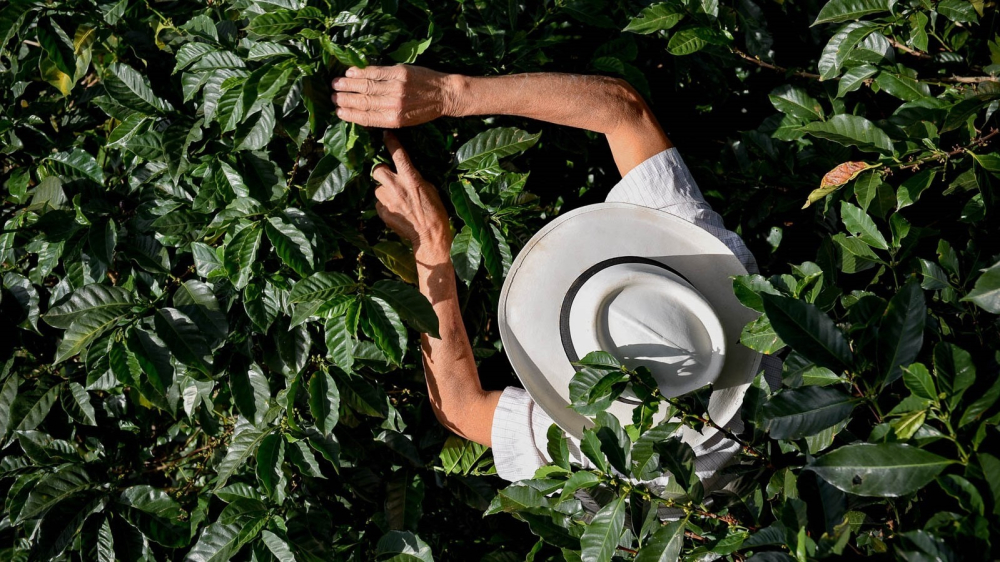
Coffee cultivation in Colombia is primarily concentrated on the western side of the Andes Mountains, formed by three north-south mountain ranges. The complex terrain and microclimates have given rise to distinct growing regions. The country’s rich ecosystems and volcanic soils, abundant in minerals—especially in high-altitude areas often shrouded in mist—allow coffee cherries to ripen slowly, accumulating more sugars and flavor compounds. Southern high-altitude regions such as Huila, Cauca, Narino, and Tolima, typically exceeding 1,500 meters in elevation, are major sources of specialty coffee.

Colombia’s coffee grading system is based on bean size, using screens with specific hole diameters to sort beans into different grades. The higher the screen number, the smaller the allowed bean size that passes through, meaning the beans left on the screen are larger. For example, beans that pass through a 17-mesh screen or higher are considered larger and more uniform in size. In addition to size classification, beans are also evaluated based on defect rates, divided mainly into two categories:
Category one defects include obvious flavor-affecting issues such as black beans, moldy or sour beans, with a maximum allowable count of 12. Category two defects cover appearance issues such as broken beans, insect damage, and underripe beans, with a limit of 60. Based on the total number of defects, green beans are ultimately classified into three grades: AA, A, and G. Each batch is recorded with information about the origin, processing method, and serial number to ensure traceability. Common export names such as Colombia Huila Supremo SC17/18 FNC indicate premium beans from Huila, screened at 17/18 mesh, and certified by FNC.
Most Colombian coffee is processed using the washed method, especially on small and medium-sized farms, as this approach allows for more precise quality control and highlights the coffee’s clean flavors. The washed process involves the following steps: first, coffee cherries are placed in water tanks where unripe or defective cherries float and ripe ones sink; next, the outer skin and pulp are removed, and the remaining mucilage-covered beans are left to ferment in tanks for 16–36 hours, during which microbes break down the sticky mucilage; finally, the beans are washed and dried, typically with the parchment layer retained until just before export. This method showcases the coffee’s “cleanliness” and inherent flavor characteristics.
In addition to traditional washing, Colombia has seen a rise in innovative processing methods in recent years, such as anaerobic fermentation and wine barrel aging, which add richer aromatic layers and fermented flavors. Techniques such as anaerobic natural and double anaerobic washed processes accentuate berry, wine, and floral notes.
Currently, popular specialty Colombian beans mostly come from high-altitude regions like Huila and Cauca. Below are four representative beans along with their flavor profiles:
Colombia Huila Coffee Beans(Region: Huila, Elevation: 1,500–1,800 meters, Process: Washed, Variety: Caturra) — Flavor: Mild fruit acidity, nuts, chocolate, caramel; suitable for those who prefer balanced profiles.
Colombia Hanami Coffee Beans(Region: Huila, Mont Blanc Estate, Elevation: 1,900 meters, Process: Washed, Varieties: Caturra, Catuai, Geisha) — Flavor: Pink peppercorn, chamomile, mandarin orange, honey, almond; unique and layered.
Colombia Flower Moon Night Coffee Beans(Region: Huila, Elevation: 1,800 meters, Process: Anaerobic Natural, Variety: Caturra) — Flavor: Strawberry jam, fermented wine notes, chocolate; intense fermented aromas with a sweet finish.
Colombia Sakura Coffee Beans(Region: Cauca, Paradise Estate, Elevation: 2,050 meters, Process: Double Anaerobic Washed, Variety: Castillo) — Flavor: Mugwort, berries, fermented notes, spices, strawberry jam; complex and distinctive.
To brew the essence of Colombian coffee, we recommend using a V60 filter cone, along with a 1:15 coffee-to-water ratio,a brewing temperature of 90–91°C, and medium-fine grind with 80% extraction rate through a 20-mesh sieve. The specific steps are as follows: place 15 grams of coffee grounds in the filter, pour hot water equal to twice the coffee weight (approximately 30 grams) for a 30-second bloom, then pour water in small streams in circular motions from the center outwards. After reaching 125 grams, pause briefly, let the water level drop, and continue pouring to 225 grams. Total brew time is about 2 minutes. This setup fully highlights the balance between sweetness and acidity in Colombian beans.
Different processing methods and origins yield distinctly varied flavor directions: washed beans often exhibit pronounced chocolate and nut aromas, paired with gentle fruit acidity and caramel aftertaste; anaerobically processed beans may carry wine-like, berry, or fermented notes, with a richer and more complex mouthfeel. No matter which you choose, remember to select freshly roasted beans within five days of roasting for the fullest aroma and layered experience.
The above content is compiled by CoffeeHunters, a coffee news website.


