







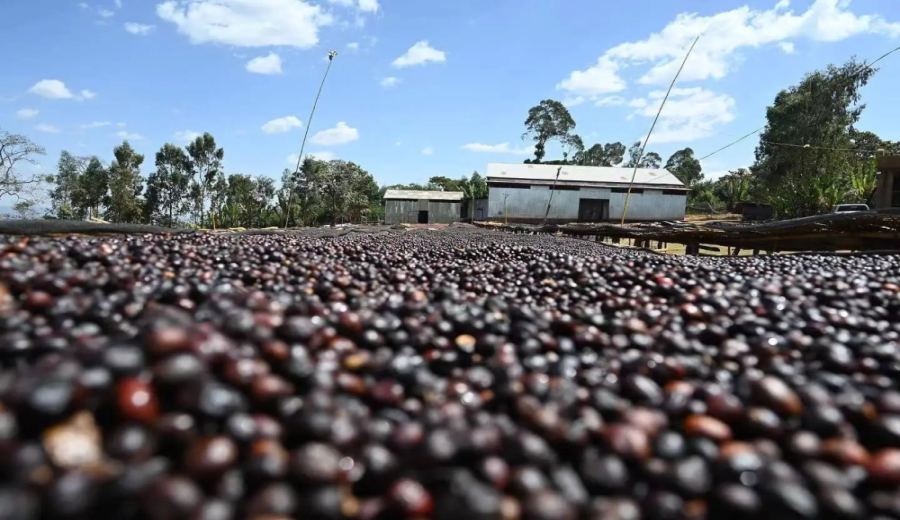
Introduction:Explore the soulful flavors of Ethiopia’s Sidamo region with this in-depth guide to brewing the Huakui pour over. From selecting the right filter, dialing in optimal water temperature, nailing the precise coffee-to-water ratio, to mastering the three-step pouring technique—this guide breaks down all key elements that elevate flavor complexity. Whether you're a beginner or a seasoned home barista, follow this pour over guide to brew a cup of Sidamo Huakui that bursts with fruity, floral, and juicy notes.
Sidamo, a coffee haven nestled in Ethiopia’s southern highlands, is world-renowned for its beans with distinct layers and aromatic profiles. Coffees from this region often showcase intense fruitiness and delicate florals, making them a focal point in the global specialty coffee market. Popular lots such as Huakui 8.0, Santa Vittoria, and Ardi all originate here. This article starts with the region’s geography, takes you deep into what makes Sidamo unique, and focuses on practical Huakui pour over parameters—including filter selection, water temperature recommendations, grind size judgment, coffee-to-water ratios, and a detailed three-step pour over process. Whether you’re just starting out or a seasoned pro, you’ll find useful tips here.
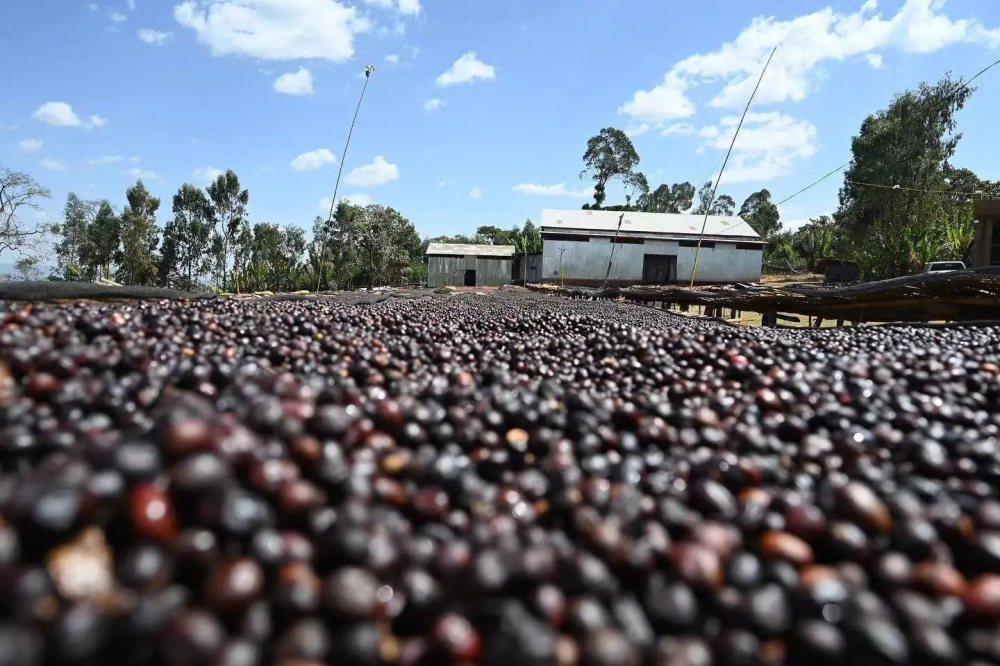 When it comes to coffees with pronounced floral notes, even those unfamiliar with Ethiopia’s geography have likely heard of Sidamo. This region has long produced numerous specialty beans with outstanding flavor and exceptional quality, combining rich fruitiness with elegant aromatics that captivate coffee lovers worldwide. Popular beans such as Huakui 8.0, Santa Vittoria, and Ardi all come from high-quality growing areas within Sidamo. So, what conditions make the coffee from this land so captivating? Let’s uncover the story behind this world-renowned coffee region.
Sidamo Province was established in 1942, named after the Sidama people, the dominant ethnic group who once had their own kingdom. Over the years, there has been ongoing debate over whether the region should be called Sidamo or Sidama. However, in the coffee industry, the spelling “Sidamo” is more commonly used, hence it is generally referred to as “Sidamo.”
The main ethnic group in Sidamo, the Sidama people, settled in southern Ethiopia as early as the 9th century and possess a unique Sidama language and cultural traditions, distinct from the official Amharic language. Their calendar is also distinctive: a year consists of 13 months, the first 12 months each having 28 days, and the 13th month having 29 days, with a week comprising only 4 days—resulting in a month containing 7 weeks. This unique calendar has also given rise to special festive cultures, such as the New Year celebration Fichee-Chambalaalla, which has been recognized by UNESCO as an intangible cultural heritage.
After Ethiopia restructured into a federal system in 1995, new administrative divisions were created to respect the cultures of various ethnic groups. The former Sidama region was incorporated into the newly established Southern Nations, Nationalities, and Peoples' Region, and reverted to its traditional name “Sidama.” However, prior to this administrative change, Sidamo coffee had already gained international fame for its distinctive aroma, so the term “Sidamo” continued to be widely used and even registered in trademarks—for example, the official Sidamo® trademark. To this day, many consumers still refer to the coffee from this area as Sidamo.
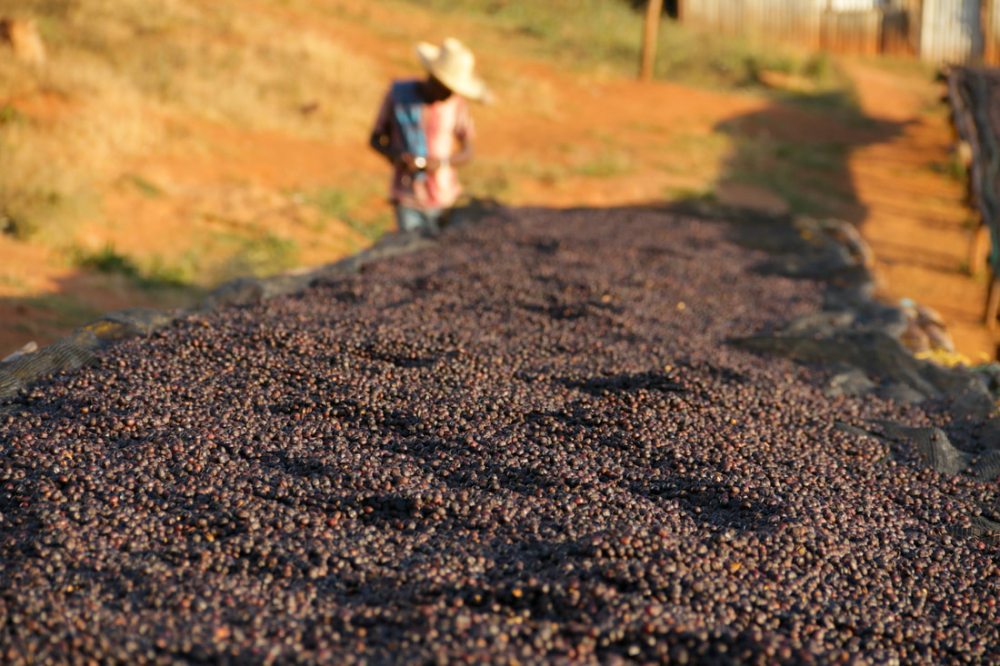
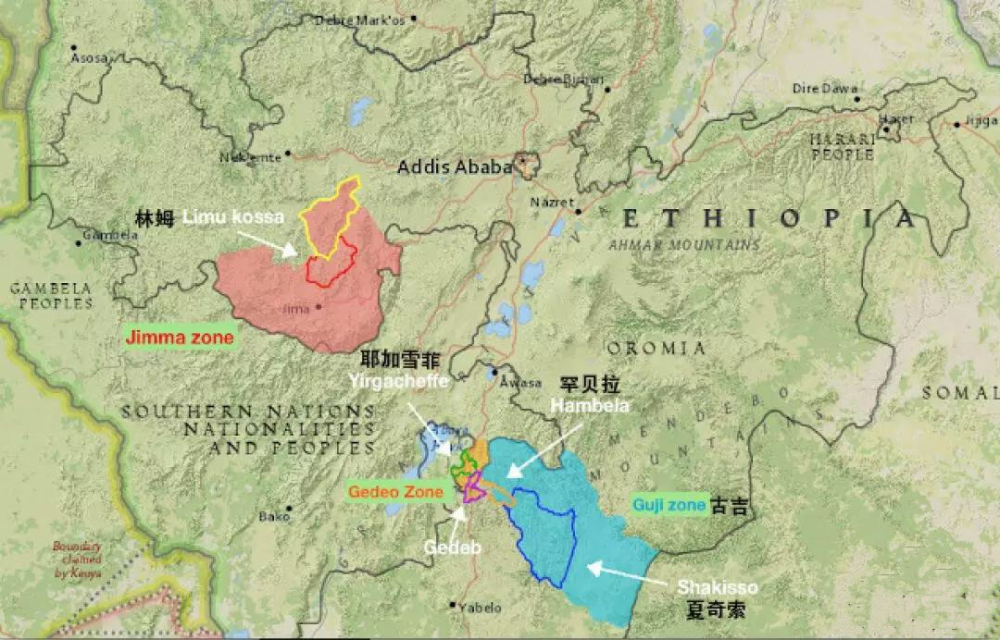
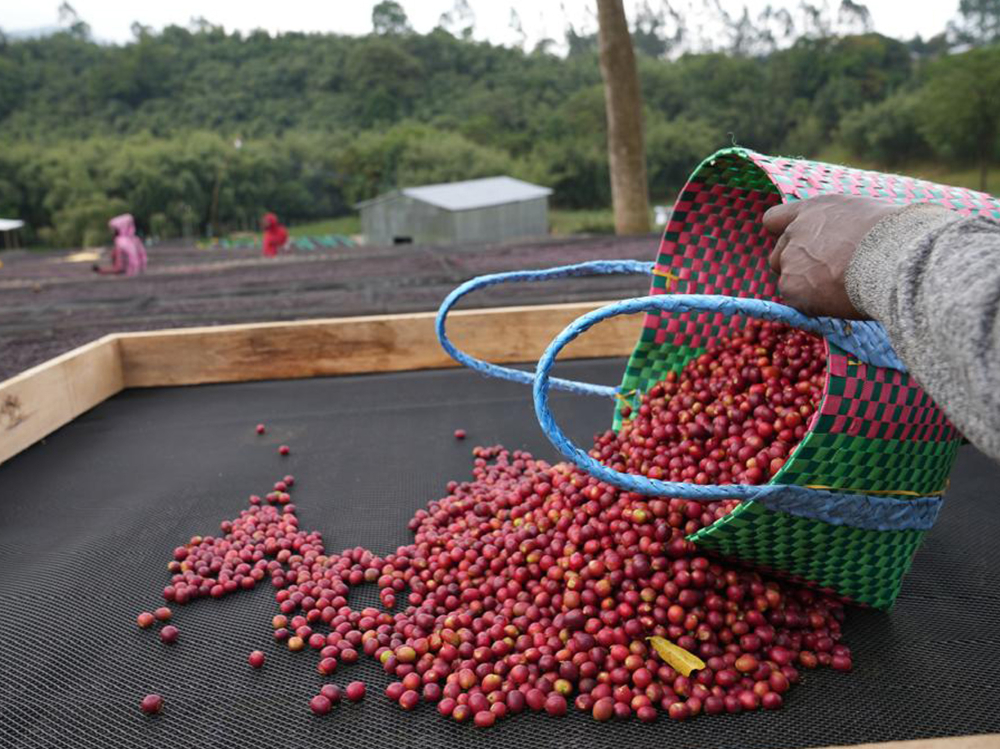 Geographically, the Sidamo producing region is located in Ethiopia’s southern highlands, near Lake Awasa in the East African Rift Valley and adjacent to Kenya. The area boasts high altitudes, moderate rainfall, fertile soils, and native forest environments, making it an ideal location for coffee cultivation. Typically, coffee trees are grown at elevations between 1550 and 2200 meters. The high altitude slows down the ripening process of coffee cherries, allowing for the accumulation of richer aromatic compounds and deeper flavor layers, and the harvest season is usually later than in other regions.
Due to the complexity of its history and administrative divisions, Sidamo shares close but blurry boundaries with neighboring producing regions, making it one of the most difficult coffee origins to clearly define globally. The region is vast; the Ethiopian Commodity Exchange (ECX) divides it into five zones (A, B, C, D, E) based on geographical indications, each further subdivided into numerous sub-regions, including over 50 cooperatives and more than 200 washing stations. The interaction of varying altitudes, soils, and microclimates leads to slight differences in the flavor profiles of coffees produced in different villages.
With the rise of the specialty coffee trend, some sub-regions with consistently high quality and stable production have gradually stood out and begun exporting under their own independent origin names. The most representative example is Guji, originally part of Sidamo’s Zone A. Due to the international buyers’ high acclaim for its coffee quality, it has developed into an independent producing region. Therefore, referring to “Sidamo · Huakui” today is actually not precise—the correct origin should be “Guji · Guji-Hambela.”
The typical flavor profile of Sidamo coffee includes:Floral, jackfruit, dried fruits, apricot, and intense juiciness. These flavor characteristics have earned it consistent praise in international evaluations and competitions, making it a favorite among many pour over enthusiasts.
In practical pour over brewing, selecting the right filter is crucial. Since Huakui is typically light roasted, the beans are denser and prone to producing very fine particles. Using a filter with too slow a flow rate can cause these fine particles to settle at the bottom, leading to uneven extraction in the final phase, resulting in dull flavors and a murky mouthfeel. Thereforeit is recommended to prioritize fast-flowing filters, such as the V60. Its unique spiral ridges help the coffee bed degas adequately, promoting the release of bright acidity, while the large bottom hole accelerates water drainage, ensuring a smoother overall extraction.
Regarding water temperature,it is recommended to maintain it between 90°C and 93°C. If you prefer a brighter, more refreshing acidity with a tea-like finish, aim for 90°C to 91°C; if you want to enhance fruity acidity and a fuller body, you can increase the temperature to 92°C to 93°C, adjusting according to your personal taste preference.
The choice of grind size depends on actual extraction time and flavor outcomes. Typically, a test using 15 grams of coffee with a three-step pour can help: if total extraction time is less than 1 minute 40 seconds and flavors taste sharp and thin, your grind may be too coarse, causing under-extraction; if extraction takes over 2 minutes 20 seconds and results in obvious bitterness and heaviness, your grind might be too fine, leading to over-extraction. A common suitable grind size is medium-fine, similar to the texture of fine sugar or sea salt.
For coffee-to-water ratio,the recommended range is 1:15 to 1:16. For a more intense, oolong tea or berry-toned profile, choose 1:15; for clearer floral notes and citrus acidity with more open layers, go with 1:16 to let the flavors unfold more naturally.
For the pour over process, it is recommended to use a three-step pouring method: first, pour 30 grams of water for the bloom, lasting about 30 seconds. Use a small stream, gently circling from the center outward to ensure all coffee grounds absorb water evenly. After 30 seconds, proceed to the second step: steadily pour 95 grams of water with a slightly larger stream, bringing the total to 125 grams, aiming to finish around 55 seconds. Keep the pouring vertical and even to encourage bed expansion. Finally, when the liquid level drops to about half, begin the third pour: use a small stream to gently circle and add 100 grams of water, reaching a total of 225 grams, with the entire brew time controlled around 2 minutes. Avoid large stirring movements during this phase to prevent the coffee bed from breaking apart, which can lead to uneven extraction.
Brewing Huakui with this method yields a cup that is bright and vibrant, with flavors of yellow peach, sweet orange, and grapefruit acidity. Dominated by yellow stone fruit notes, it is complemented by delicate sweetness, reminiscent of a refreshing fruit tea that leaves a lasting impression.
The above content is compiled by CoffeeHunters, a coffee news website.


