








Introduction:Thanks to their ease of use and portability, drip bags have become a daily choice for many busy individuals and travelers. But do you really know how to brew drip coffee correctly? This article dives deep into the fundamental principles of drip coffee, the proper brewing steps, the ideal coffee-to-water ratio, and answers common questions such as whether it can be rebrewed. It also shares purchasing advice and highlights three common misconceptions to help you fully unlock the potential of every single drip bag.
In today’s fast-paced life, many specialty coffee enthusiasts are deterred by the complexity of equipment or the steep learning curve. As a result, drip bags, with their convenience, have gradually become an indispensable companion for commuting and travel. For those who want to easily enjoy a good cup of coffee at home, in the office, or while traveling, drip bags are not only convenient but also a choice that balances flavor and efficiency.
What is a drip bag coffee?
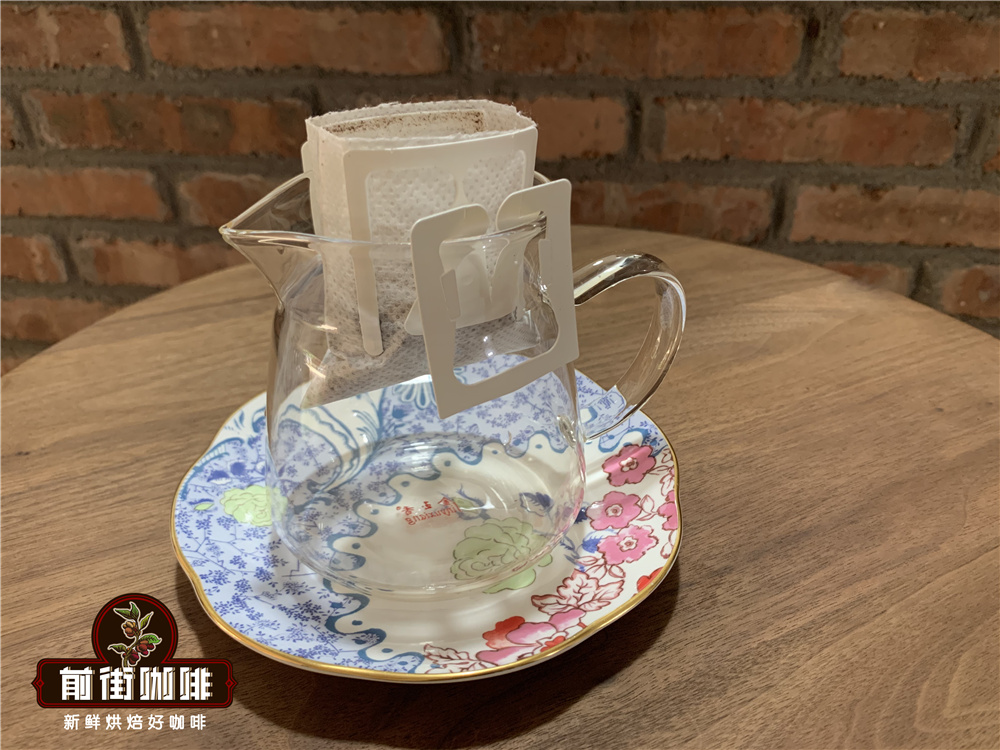
Drip bags resemble filter bag packaging and contain pre-ground coffee inside. In the commonly seen drip bag design, the pouch is equipped with “ear-like” structures on both sides, which are used to securely hang over the rim of a cup. This structure allows hot water to evenly pass through the coffee grounds, effectively filtering out coffee grounds while preserving rich flavor compounds. Its brewing principle is almost identical to that of pour over coffee, and it can be considered a “portable version of pour over.”
Compared to traditional pour over, which requires tools such as a gooseneck kettle, filter cone, filter paper, and grinder, drip bags come pre-ground — all you need is hot water and a cup to enjoy a freshly brewed cup of coffee. They are especially suitable for users with limited time, incomplete equipment, or who travel frequently.
How to correctly brew drip bag coffee?
The steps to brew drip bag coffee are simple, but mastering the details is essential to fully bring out the coffee's potential. First, tear open the outer packaging and take out the drip bag containing the coffee grounds. Then, follow the instructions to open the seal and hang the two “ears” of the drip bag over the rim of your cup or pot.
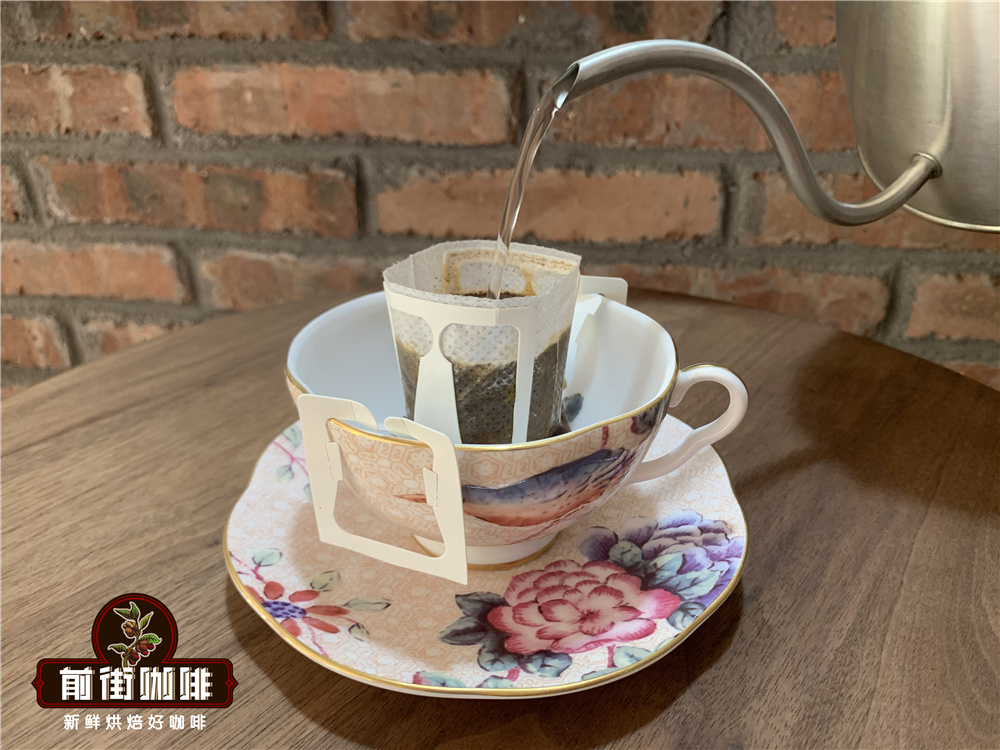
It is recommended to use a cup with a capacity of about 200 milliliters and to adopt a **1:15 coffee-to-water ratio**, meaning 10 grams of coffee grounds to 150 milliliters of hot water. The actual process can be divided into three pours: first, pour a small amount of hot water (about 30 milliliters) to allow the coffee grounds to bloom for 10–20 seconds, awakening the aromas; then slowly pour water until the cup is about 80% full, and wait for the coffee to drip through; finally, top up to the brim. The whole process takes approximately 2–3 minutes.
This method ensures the coffee grounds are evenly saturated, helps avoid over-extraction or uneven extraction, and makes it easier to control flavor balance.
How many times can you brew with a drip bag? Can you reuse it?
Like pour over coffee,it is recommended to brew only once. This is because only about 30% of the soluble substances in coffee beans can be extracted, and the first brew already releases most of the essence. If you continue to add water, although the yield increases, the flavor will become noticeably diluted and may even develop off-flavors.
If you follow a coffee-to-water ratio of 1:14 to 1:18 for a single brew, you will typically achieve the best taste. For 10 grams of coffee grounds, the total water volume is recommended to be controlled between 140–180 milliliters, which corresponds to about 80% full in a standard 200-milliliter cup — this is the most suitable option for most people.
Purchasing advice for drip bag coffee
When choosing drip bag coffee, it is advisable to pay attention to the following points:
1. Roast date: Although drip bags are sealed for preservation, it is still recommended to choose products that have been roasted not long ago to get the best flavor. Generally, drip bags that are more than two months old will show a noticeable decline in freshness and aroma.
2. Information transparency: The packaging should clearly indicate information such as the origin, variety, roast level, and processing method of the coffee beans, which can help you select a coffee flavor that suits your taste.
Three major advantages of drip bag coffee
Compared to instant coffee, drip bags do not require the addition of flavorings or creamers and can deliver more authentic and rich coffee flavors, including various profiles such as fruit acidity, caramel, nuts, and floral notes. Additionally, drip bags contain no artificial additives, making them relatively healthier. They also offer a combination of convenience and cost-effectiveness without the need for complicated equipment, making them well-suited to the fast-paced lifestyle of modern people.
Reminder of three common misconceptions
1. Rebrewing multiple times: Some users believe that drip bags can be used again after the first brew, but in reality, the flavor is mostly gone after the second brew. Prolonged steeping may even release excessive caffeine and undesirable impurities, affecting both health and taste.
2. Over-steeping: Leaving the drip bag in the cup for too long can lead to over-extraction, causing the coffee to taste overly bitter or develop unpleasant odors. It is recommended to remove the drip bag immediately after brewing to avoid extended contact time.
3. Using the drip bag like a tea bag: Some users may drop the entire drip bag into the cup to steep. While it seems convenient, the hot water may not quickly penetrate the coffee grounds, leading to under-extraction and affecting flavor expression. The correct way is to hang the drip bag over the cup rim so that the water flows evenly through the coffee layer.
In summary, drip bag coffee is a convenient and flavorful option. As long as you master the correct brewing method, coffee-to-water ratio, and precautions, you can easily enjoy a pour over-like premium coffee experience at home, in the office, or on the go. With just one bag, a kettle, and a cup, you can begin your coffee exploration journey.
The above content is compiled by CoffeeHunters, a coffee news website.


