








Introduction:An in-depth analysis of two highly acclaimed single-origin coffee beans from Colombia’s Huila region — Rose Valley and Flower Moon Night. From regional geography and variety background to the nuanced differences in anaerobic processing methods, this article takes you through their unique flavor profiles and provides practical brewing suggestions to help you find the one that best suits your taste.
As the world’s third-largest coffee-producing country, Colombia is not only known for its stable output but also for cultivating numerous high-quality specialty coffees thanks to its exceptional geographical environment. The Huila region, located in the south, is synonymous with premium coffee due to its steep valley slopes and meticulous manual harvesting practices. This time, we’ll focus on two highly representative single-origin beans from Huila — Rose Valley and Flower Moon Night — and explore their subtle flavor differences by comparing regional conditions, variety characteristics, and processing methods.
Many coffee enthusiasts, upon first hearing names like “Rose Valley” or “Flower Moon Night,” often associate them with romantic floral aromas. However, behind these poetic names lie metaphors for the region’s terroir and processing features. In addition to exploring whether these coffees truly live up to their floral namesakes, this article will also detail their core distinctions in taste, helping you make more informed choices when purchasing or brewing.
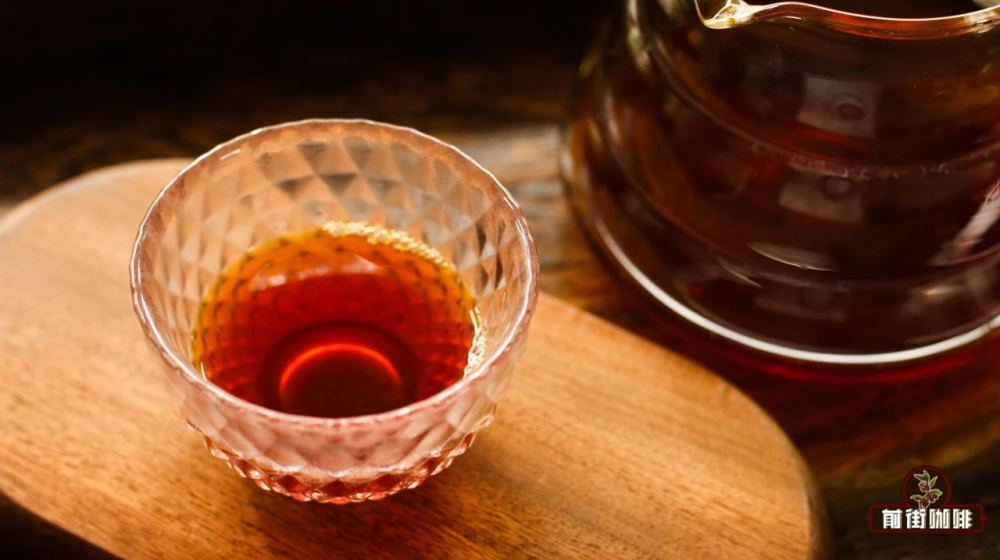
The Huila region is situated on the southern foothills of the Central Cordillera in southern Colombia and is one of the country’s key areas for specialty coffee production. Surrounded by mountains, with plantations generally situated at elevations above 1,500 meters, the region benefits from several major rivers that provide ample moisture and irrigation resources. With its mild and humid climate, significant day-night temperature variations, and fertile volcanic soil, it offers an ideal environment for growing high-quality Arabica coffee.
It’s worth noting that coffee farms in Huila and neighboring regions such as Santander are often located on steep valley slopes. This terrain not only aids in drainage but also effectively prevents the prolonged stagnation of cold air, helping coffee trees grow healthily at suitable temperatures and reducing the risk of pests and diseases. Additionally, because coffee cherries are all hand-picked individually, farmers can rigorously select only the ripest cherries, ensuring consistent and superior raw material quality for subsequent processing.
Both of these coffees use the locally predominant Caturra variety. Caturra is a natural mutation of Bourbon, first discovered in Brazil in 1937. Its plants are shorter than Bourbon, making them easier to manage during harvesting, and they are adaptable to a wide range of altitudes, particularly excelling between 1,200 and 1,750 meters. Grown at high altitudes, Caturra typically exhibits bright fruit acidity, rich aromatic layers, and a soft sweetness, making it a preferred variety for many specialty coffee farms.
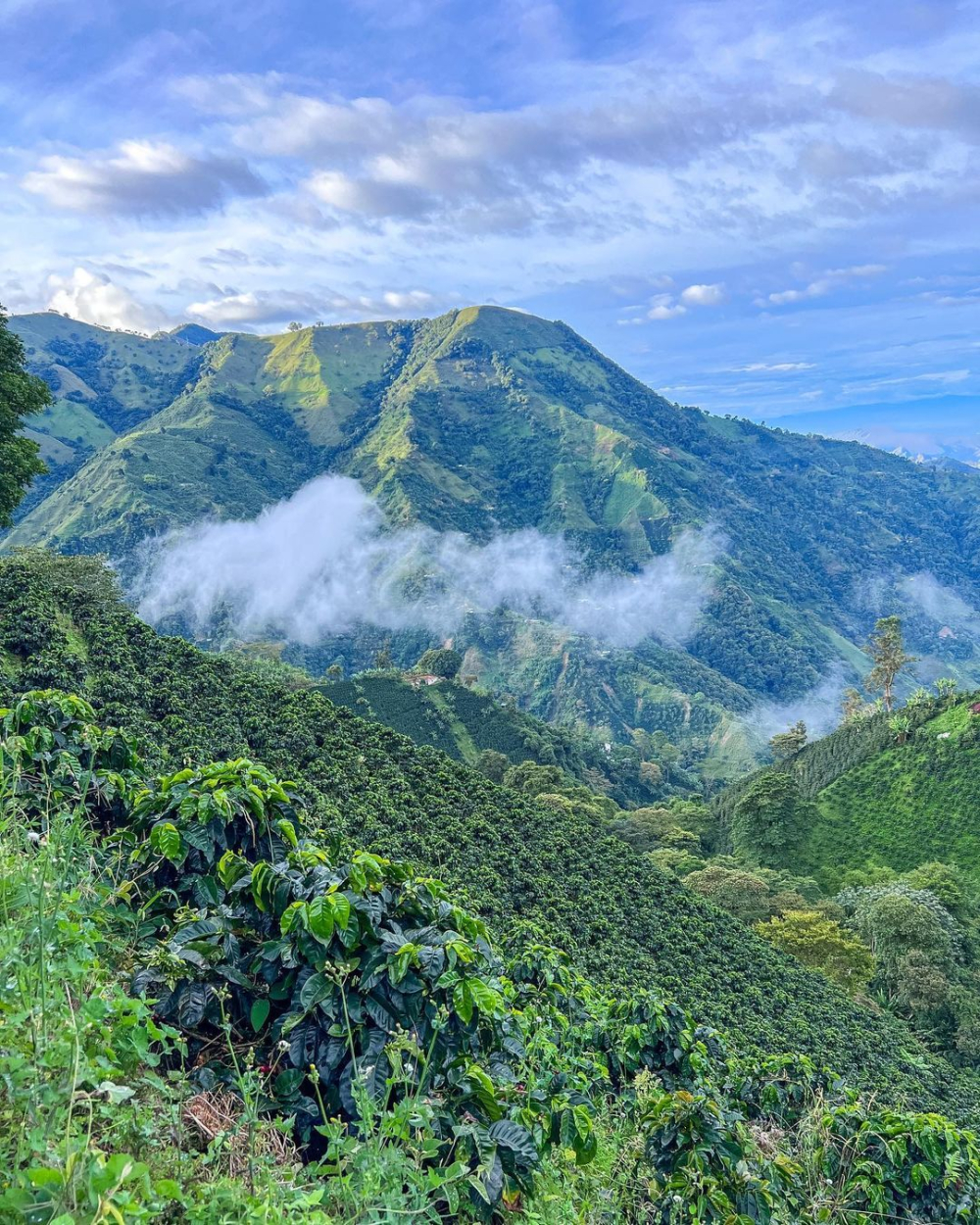
Let’s start with Rose Valley, which comes from La Granja Estate in the Santander region. The Santander region is located in northern Colombia, with plantations at elevations of about 1,400 to 1,600 meters. Its coffee is often characterized by a distinct flavor profile, long aftertaste, and a unique herbal freshness. La Granja’s owner, Mr. Vargas, has over 20 years of farming experience and insists on harvesting only fully ripe red cherries, removing defective beans prior to the washed process. Its standout feature is the “dual anaerobic enzymatic washed” method: first undergoing standard washing to remove impurities, then placing the mucilage-covered beans in a sealed container, introducing carbon dioxide to displace oxygen, and adding a specific enzyme blend. By extending fermentation time, sugar breakdown is slowed down, resulting in a more balanced acid-sweet structure and deeper aromatic complexity.
According to cupping notes, Rose Valley exhibits pronounced wine-like and chocolatey undertones, accompanied by rose floral notes, cranberry, and peach fruitiness, with a creamy softness in the aftertaste. For brewing recommendations, a medium-light roast is suggested, with a grind size around medium-fine (similar to fine sugar granules), water temperature controlled between 90–92°C, and a staged extraction method to fully highlight its fruity acidity and aromatic layers.
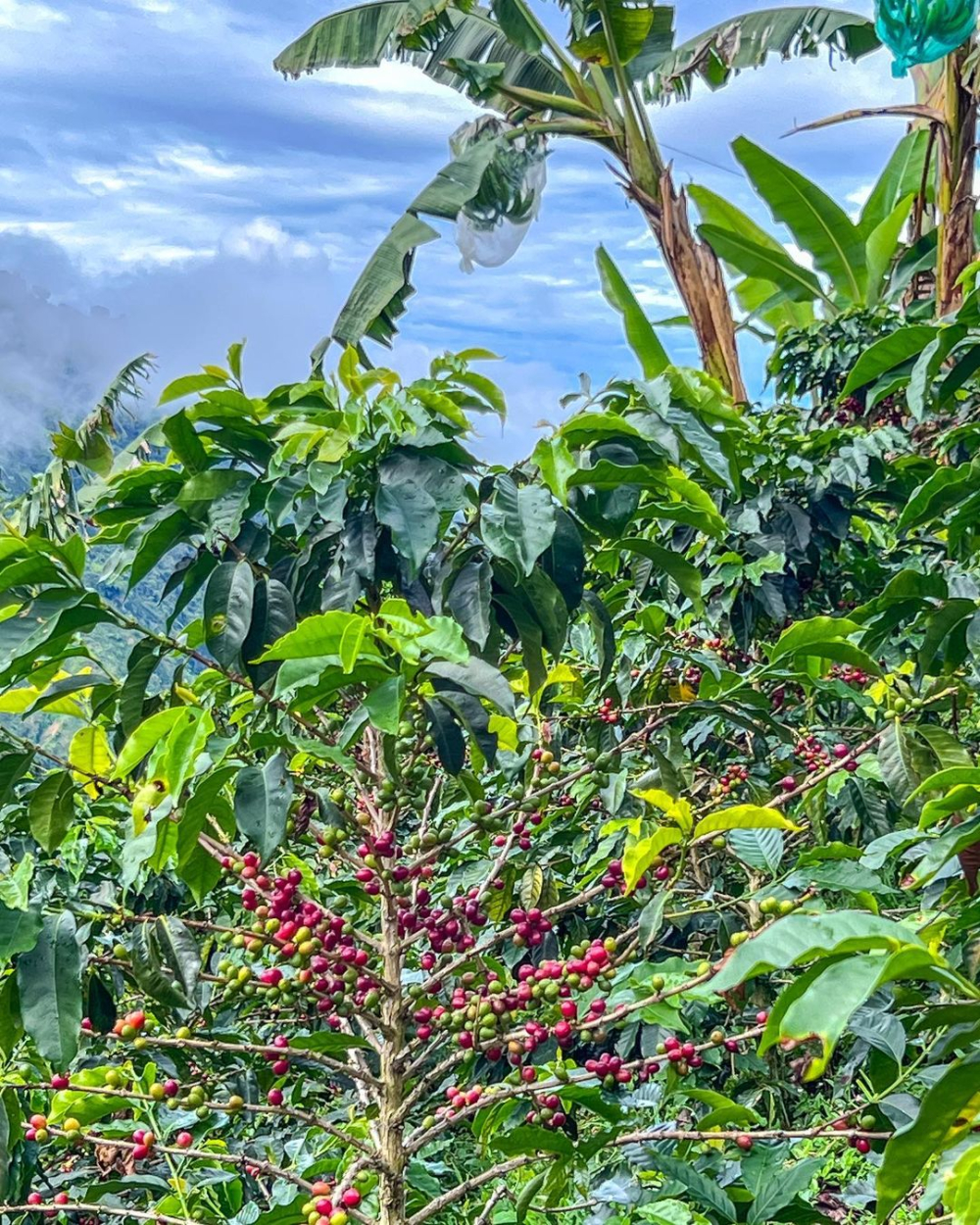
In contrast, Flower Moon Night comes from the El Diviso Estate in the Huila region, cultivated at an elevation of up to 1,800 meters. This location not only boasts superior geographical conditions, with abundant water and soil nutrients, but also benefits from mountain barriers that effectively regulate the climate, creating a stable and ideal coffee-growing environment. El Diviso Estate is managed by the Ramirez family, who come from a coffee-growing lineage. The estate owner, who entered the coffee industry at the age of 18, integrates professional knowledge with family experience in both cultivation and post-harvest processes.
Flower Moon Night employs an “anaerobic natural sun-dried” processing method, where fully washed mucilage-covered beans are placed in a low-temperature sealed fermentation tank for an extended fermentation period of approximately 15 to 20 days. This allows microbes to gradually transform sugars and acids under oxygen-deprived conditions, producing richer and more complex flavors. After fermentation, the beans undergo a lengthy sun-drying process, resulting in more restrained and rounded flavors.
In terms of flavor profile, Flower Moon Night is anchored by strawberry jam, fermented wine, and chocolate notes, complemented by delicate floral aromas and dark cocoa undertones. It offers a full-bodied and layered mouthfeel with relatively soft acidity and a pronounced, lingering sweetness. For those who prefer a bold mouthfeel and balanced flavors, this coffee is well-suited to a medium-dark roast, with a slightly coarser grind (close to white sugar), and water temperature slightly lowered to 88–90°C. When brewing via pour over, extending the blooming time moderately can aid in flavor release.
In summary, though both Rose Valley and Flower Moon Night use the Caturra variety, they present distinctly different flavor directions due to variations in regional microclimate, altitude conditions, and processing methods. Rose Valley highlights bright fruity acidity and floral notes through dual anaerobic enzymatic washing, delivering a juice-like, vibrant profile; whereas Flower Moon Night showcases rich, balanced chocolate and berry tones through anaerobic natural processing, making it ideal for coffee lovers who enjoy bold flavors. Whether you’re just starting out or already experienced, these two single-origin beans are excellent choices for exploring the terroir of Colombia’s Huila region.
The above content is compiled by CoffeeHunters, a coffee news website.


