







Introduction:Want to learn what specialty coffee varieties Yunnan grows besides Catimor? As one of the oldest Arabica varieties, Typica is known for its clean, layered profile with citrusy notes, and has recently regained attention in Yunnan’s mountainous regions. This article delves into the history, plant characteristics, and processing methods of Typica, and provides practical pour over brewing parameters and flavor descriptions to help you master the brewing essentials of this Yunnan native variety.
In Yunnan’s coffee-growing regions, Catimor has long been the dominant variety due to its disease resistance and stable yield. However, with the rise of the specialty coffee trend, some ancient varieties with greater flavor potential have once again come into focus — among them, Typica stands out as a particularly noteworthy representative. Based on actual cultivation and processing experience, this article introduces you to Typica’s origins, traits, and how it expresses a unique flavor profile through sun-drying in Yunnan, along with a set of practical pour over recommendations so you can enjoy the elegance of this coffee at home.
Currently, the majority of coffee grown across Yunnan belongs to the Catimor variety, which is a hybrid of Typica and Caturra, with around 25% Robusta lineage. If not processed properly, its flavors can often be harsh, with an off-tasting finish. So, does Yunnan grow other Arabica varieties? The answer is yes. For example, a brand’s “2013 Coffee Beans” selection uses the historically significant and flavor-rich Typica variety.
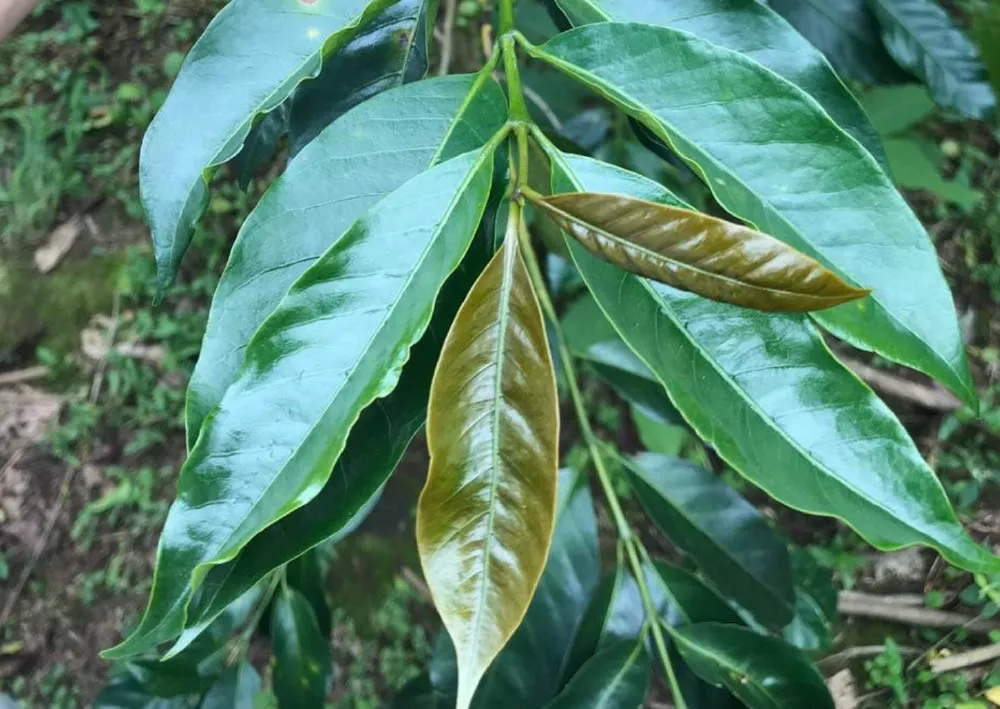
Originating in Ethiopia, Typica is one of the earliest discovered Arabica native varieties, believed to have been found and cultivated by local inhabitants between the 15th and 16th centuries. The plant is tall, with young shoots displaying a distinctive bronze hue on the topmost leaves when they first emerge. The coffee beans themselves are relatively large, elongated-oval in shape, with slightly upturned ends, resembling the shape of an egg. In terms of flavor, Typica often features bright citrus acidity and a sweet aftertaste, delivering a clean, well-defined taste that many coffee enthusiasts regard as the epitome of the “elegant” style. However, due to its low yield and susceptibility to leaf rust, it has gradually been replaced by higher-yielding and more disease-resistant varieties — a trend that also holds true in Yunnan.
Going back to the 1960s and earlier, the primary Arabica varieties cultivated in Yunnan were Typica and Bourbon. But from the 1970s to the 1980s, the global coffee leaf rust epidemic forced growers to seek more resistant alternatives. In 1990, driven by multinational companies such as Nestlé, Yunnan began introducing Catimor, originating from Latin America. This variety not only boasted strong disease resistance but also higher yields, leading it to gradually replace the previously planted Typica and establish its current dominance in Yunnan.
In their variety exploration and cultivation practice, the brand believes that even the same variety can gradually adapt and evolve distinct flavor characteristics under different geographical and climatic conditions. For instance, the world-renowned Jamaican Blue Mountain and Hawaiian Kona are both results of Typica’s long-term evolution in different regions. It was this belief that motivated the brand to embark on a coffee planting project in Lincang, Yunnan, in 2013. From site selection, seedling cultivation, planting, to harvesting and processing, the team managed the entire process firsthand, accumulating valuable experience in variety adaptation and processing. Among many options, the brand chose the most original yet most challenging Typica. Despite its low yield and vulnerability to disease, with proper management, it finally yielded its first harvest in 2020. Processed via sun-drying, it was released as the representative “2013” coffee bean.
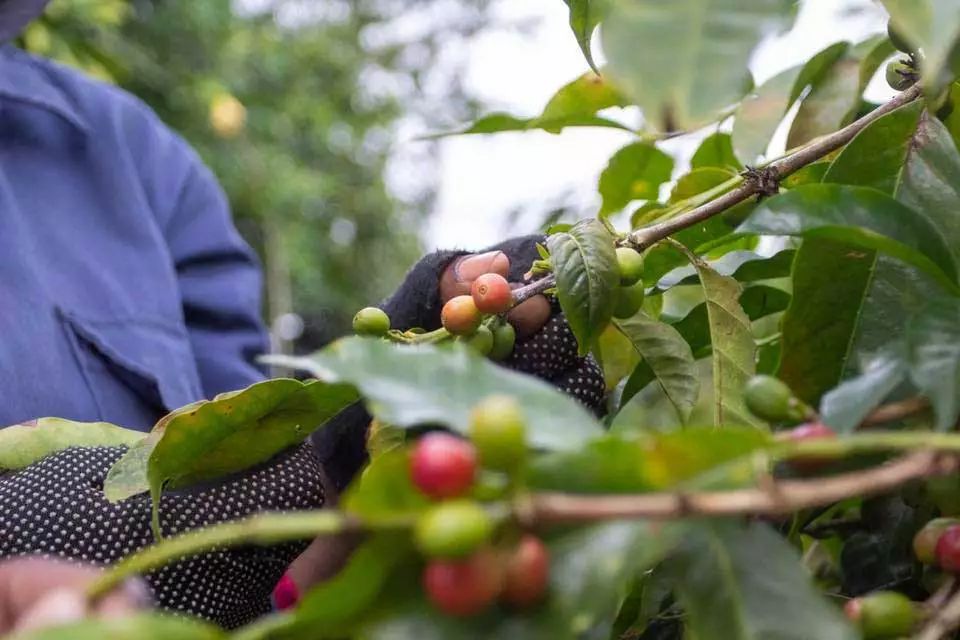
As for why sun-drying was chosen? The brand’s team explained that around November each year, when the coffee cherries ripen, workers handpick the bright red, cherry-like fruits and spread them evenly under the sun to dry naturally. They turn them at appropriate intervals to ensure even dehydration and prevent over-fermentation that could cause off-flavors. Sun-drying not only enhances the coffee’s natural sweetness but also brings out berry-like flavors and creates a smoother, rounder aftertaste.
Many consumers, when tasting this brand’s Yunnan coffee, report a diverse range of flavors — some detect rich chocolate notes, while others pick up on unique profiles like sweet potato or Chinese plum. In reality, the overall flavor profile of Yunnan coffee tends to be balanced, with a good mix of acidity, sweetness, and bitterness. Therefore, the brand opts for a medium roast in its roasting strategy, preserving the aromas of chocolate and nuts while maintaining a moderate level of fruit acidity.
According to the brand’s cupping results, this sun-dried Typica exhibits fermentation aromas of chocolate, brown sugar, plum, and tropical fruits, paired with a soft aftertaste reminiscent of black tea. The overall flavor is clean, layered, and richly complex.
So, how can you brew to highlight the characteristics of Yunnan Typica? The brand recommends using a moderate water temperature and medium grind size to balance extraction and showcase its well-rounded flavor profile.
Recommended pour over brewing parameters are as follows:
Filter: Hario V60 (resin material)
Coffee dose: 15 grams
Water temperature: 90°C
Grind size: approximately 75% passing through a #20 sieve (or roughly equivalent to EK43s setting 10.5 on the Chinese standard)
Coffee-to-water ratio: 1:15
The V60 filter, with its unique spiral ribs and large central hole, effectively controls water flow rate and contact time, helping to enhance aroma expression and layering. Additionally, its spiral-shaped vents prolong the contact between water and coffee grounds, further extracting delicate flavors.
Regarding water temperature and grind size selection, since Yunnan Typica features a balanced flavor profile, excessively high temperatures or overly fine grinds may lead to over-extraction, releasing excessive bitter substances. Conversely, too low a temperature or too coarse a grind may result in under-extraction and a flat flavor. Therefore, using water around 90°C with a medium-fine grind is recommended to better present its complex yet clear layers.
For the pour over method, a three-stage pouring technique is suggested: First, pour about 30 grams of water (twice the coffee dose) for the bloom and let it sit for 30 seconds to allow the coffee grounds to fully degas. Then, pour with a small stream in a circular motion from the center outward until the total weight reaches 125 grams, pausing briefly to allow drainage. Finally, when the water level in the V60 drops to about half, continue pouring to reach a total of 225 grams until the dripping finishes, keeping the overall extraction time around 2 minutes.
The 2013 sun-dried Typica offers a rich flavor profile: in the dry aroma, you can detect enticing notes of caramel, nuts, and citrus; when hot, chocolate, fermented fruit, and berry notes intermingle; as it cools, the bright acidity of plum and the sweet aftertastes reminiscent of black tea and sugarcane gradually emerge. With a medium-high body, a clear mouthfeel, and ever-changing layers, it is a high-quality Yunnan specialty coffee worth savoring.
The above content is compiled by CoffeeHunters, a coffee news website.


