







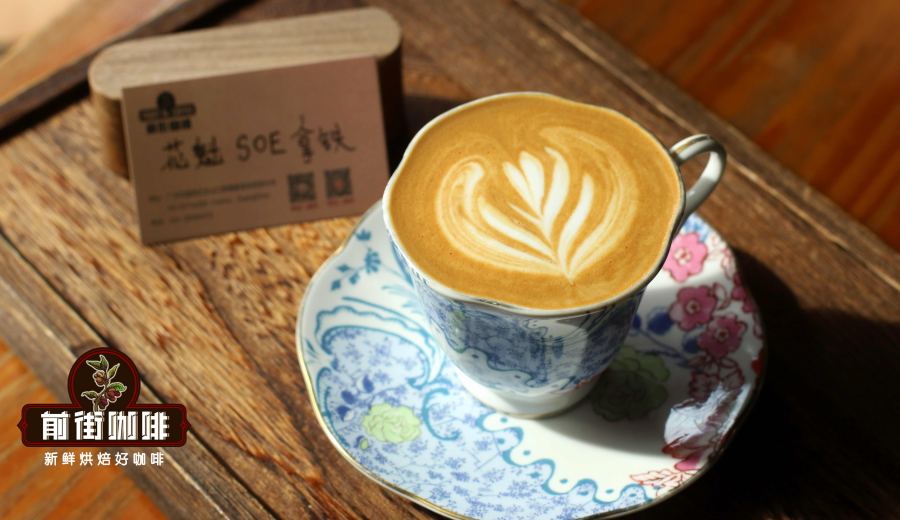
Introduction:SOE (Single Origin Espresso) has become a prominent trend in specialty coffee in recent years. Compared to regular pour over single-origin coffee, its flavors are more concentrated and intense. This article will delve into the key differences between SOE and single-origin coffee, the ideal roast levels, and how to highlight the bean’s most captivating characteristics by adjusting grind size, extraction, and milk ratio. Whether you’re new to coffee or a seasoned enthusiast, you’ll gain essential insights on bean selection and brewing techniques.
In the world of specialty coffee, SOE (Single Origin Espresso) has increasingly become a focal point for many coffee lovers. An SOE refers to using coffee beans from a single origin region, extracted under high pressure with an espresso machine to fully showcase the unique flavor profile of that specific region. Compared to common pour over single-origin coffee, SOE offers a more intense and impactful flavor experience—but this also places higher demands on the quality of the beans and the roasting technique.
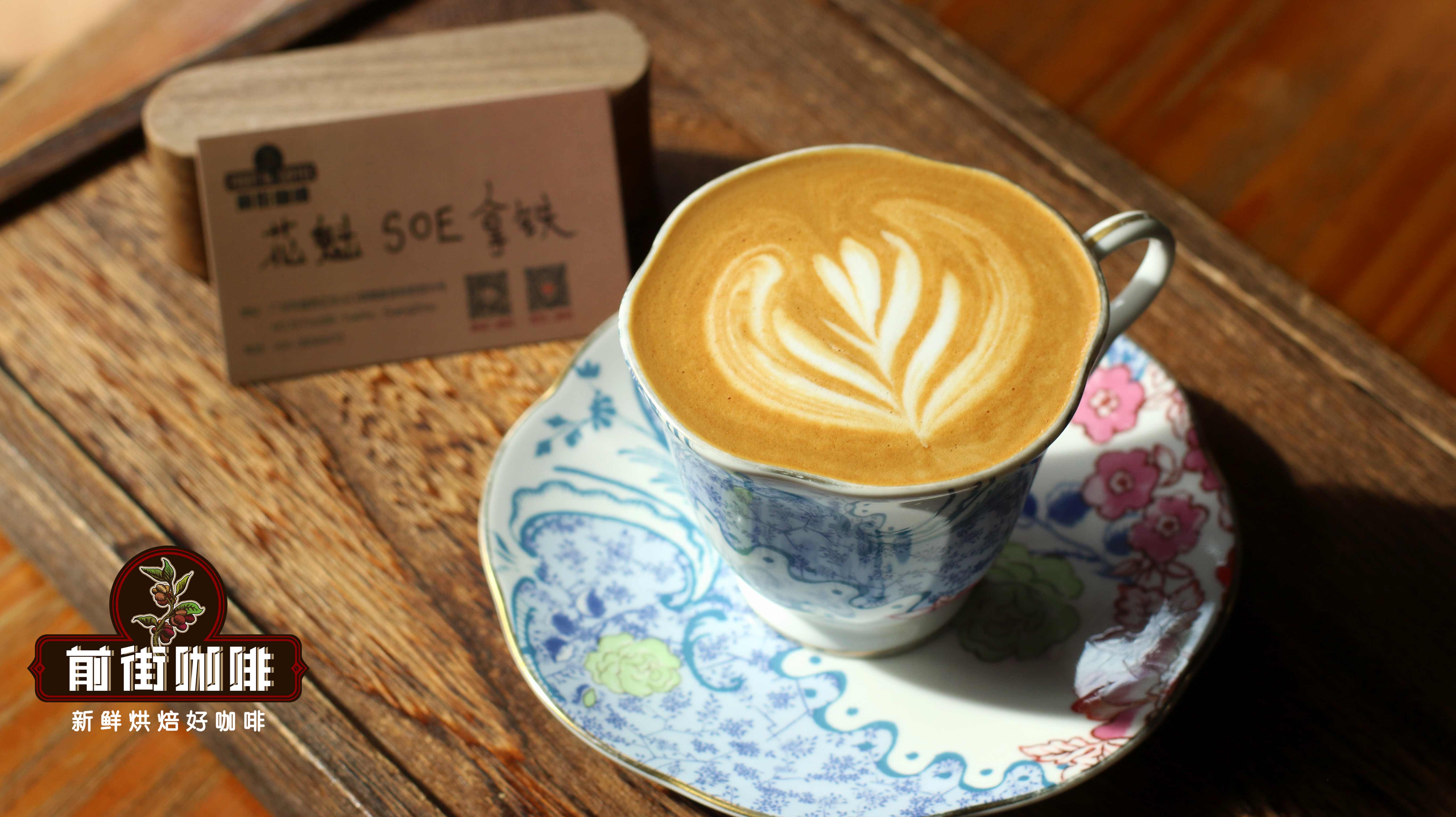
With the rise of specialty coffee culture, more consumers are beginning to wonder what SOE is and are even actively asking whether they can try it. However, not all coffee shops offer SOE options, largely due to concerns about flavor consistency. The high-pressure environment of an espresso machine amplifies all characteristics of the beans—both the good and the bad—which is why precision in bean selection and roasting is absolutely critical.
In short, SOE stands for "Single Origin Espresso." Although the term includes "single origin," it is not synonymous with specialty coffee itself. Only when the single-origin beans used have a clear and pleasing flavor profile can the charm of the origin be truly revealed through SOE. For example, Ethiopian Yirgacheffe, known for its bright citrus and lemony acidity, becomes even more vivid under high-pressure extraction when used for SOE. But if the beans themselves have flaws, those defects will also be magnified.
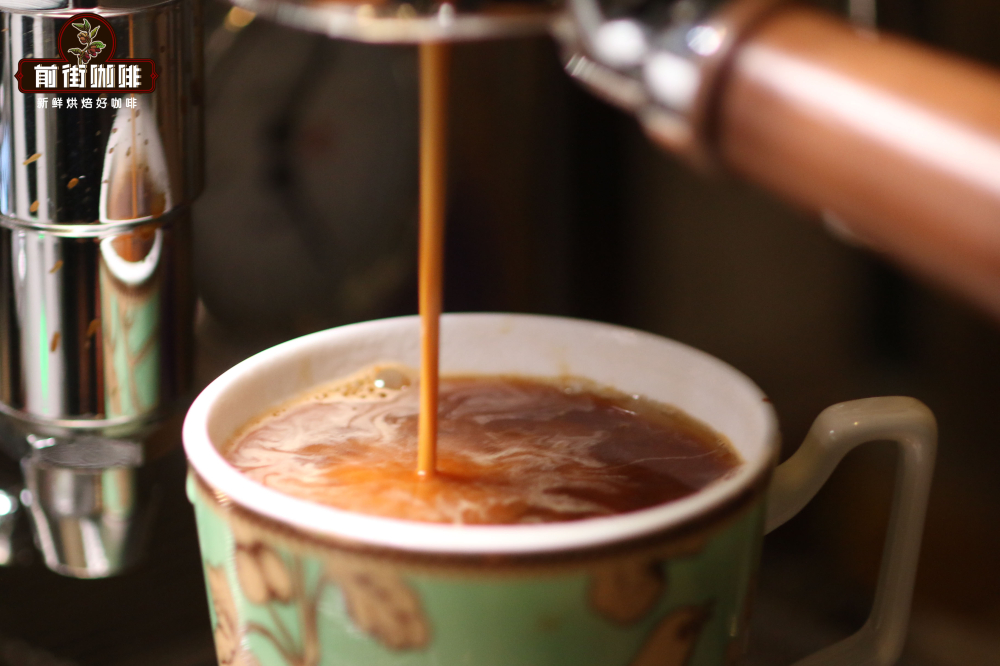
Additionally, factors such as roast level, grind size, and extraction parameters also influence the final flavor of an SOE. With so many variables, maintaining consistency in every shot can be relatively challenging, which is one reason why some coffee shops choose not to offer SOEs. Furthermore, climate differences across vintages can subtly alter a coffee bean’s flavor expression, but SOEs tend to be more sensitive to such changes—minor variations can lead to significant fluctuations in taste.
So, what’s the difference between SOE and regular pour over single-origin coffee? On the surface, both use single-origin beans, but in practice, SOE places greater emphasis on flavor concentration and enhancement. To make the regional characteristics stand out more prominently, roasters often need to adjust the roast profile specifically for SOE. Roasting too light or too dark can backfire. Over-roasting can mask the unique flavors of the origin, while under-roasting may result in overly sharp acidity—especially noticeable under high-pressure extraction—leading to an unbalanced overall cup. Therefore, the same beans used for pour over and SOE usually require different roasting strategies.

In terms of how it’s served, SOE isn’t limited to straight espresso. Many cafés use SOE as a base and pair it with an appropriate amount of milk to create drinks like lattes or cappuccinos, using the creamy texture of milk to balance the intensity of the espresso. This approach preserves the origin characteristics while providing a smoother drinking experience, similar to how traditional blends are used to craft classic milk-based coffee drinks.
As for which coffee beans are suitable for making SOE? The key lies in whether the beans possess distinct and prominent flavor traits. Generally, African single-origin naturals—especially those with pronounced floral and fruity aromas—are popular choices for SOE. If you prefer a bright, sweet, and refreshing profile, Ethiopian natural-processed beans are a great place to start. For those who enjoy coffee with dried fruit-like sweetness, Central and South American beans—such as those from Costa Rica—can be a good option. And if you’re seeking tropical fruit notes along with a full body, Colombian beans often deliver pleasant surprises.
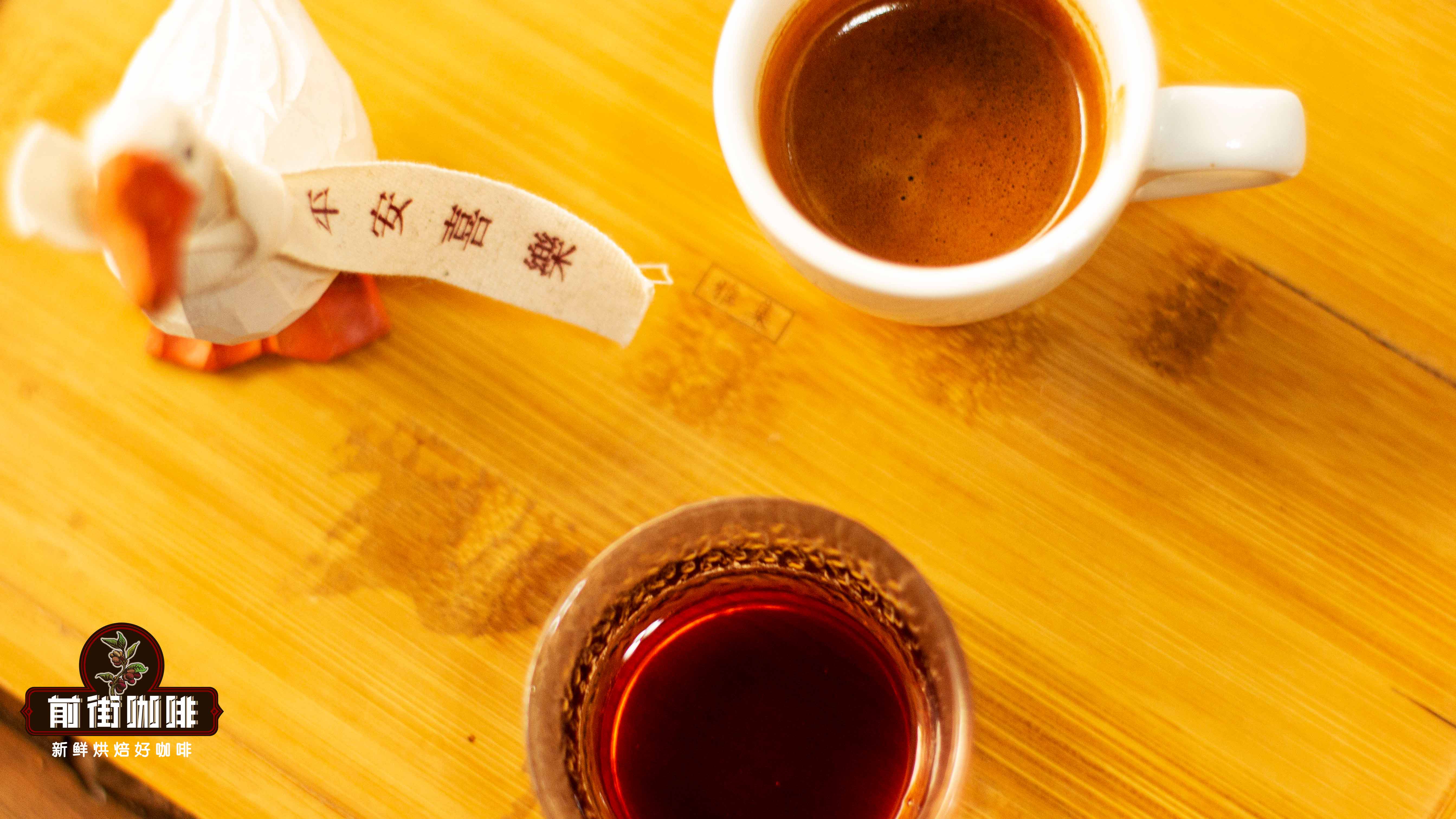
Finally, when actually brewing an SOE, there are several key points to keep in mind. Since the beans are typically not roasted too dark, medium to light roast beans can be slightly more challenging to extract flavors from. Therefore, it’s recommended to adjust the grind size appropriately—such as making it finer, increasing the dose, or extending the extraction time slightly—to improve extraction yield. Additionally, when using SOE as the base for milk coffee, it’s also advisable to reassess the coffee-to-milk ratio. Reducing the amount of milk can help the intrinsic flavors of the coffee shine through, preventing the overall drink from tasting flat.
The above content is compiled by CoffeeHunters, a coffee news website.


