








Introduction:The Kono drip method in Japanese pour over brewing, achieved through extremely fine water flow and slow saturation techniques, creates a rich and full-bodied coffee flavor. This article will detail the unique operational logic, water control skills, and visual judgment points of the Kono drip method, and demonstrate through practical examples how this technique brings out notes of spices, caramel, dark chocolate, and popcorn, along with a lingering pu’er tea-like finish—helping you master this classic Japanese pour over technique.
The Kono drip method is a unique Japanese pour over coffee extraction technique developed in 1973 by the Kono brand’s founding family, the Kawano family. It aims to fully elicit the richness and body of coffee beans through a special pouring method. This technique uses an extremely delicate water flow to slowly allow hot water to penetrate the coffee grounds. Only after the coffee bed has fully absorbed the water and released gases does the brewed coffee gradually begin to drip through, thereby highlighting deeper flavor profiles.

The essence of this method lies in the ultimate control of water flow and a keen observation of the state of the coffee bed. Compared to the continuous pouring common in most pour over methods, the drip method emphasizes “waiting”—waiting for the coffee bed to reach water saturation, waiting for internal gas release to complete, and then allowing the coffee liquid to naturally drip down. This process not only extends the extraction time but also significantly improves the uniformity and richness of the extraction.
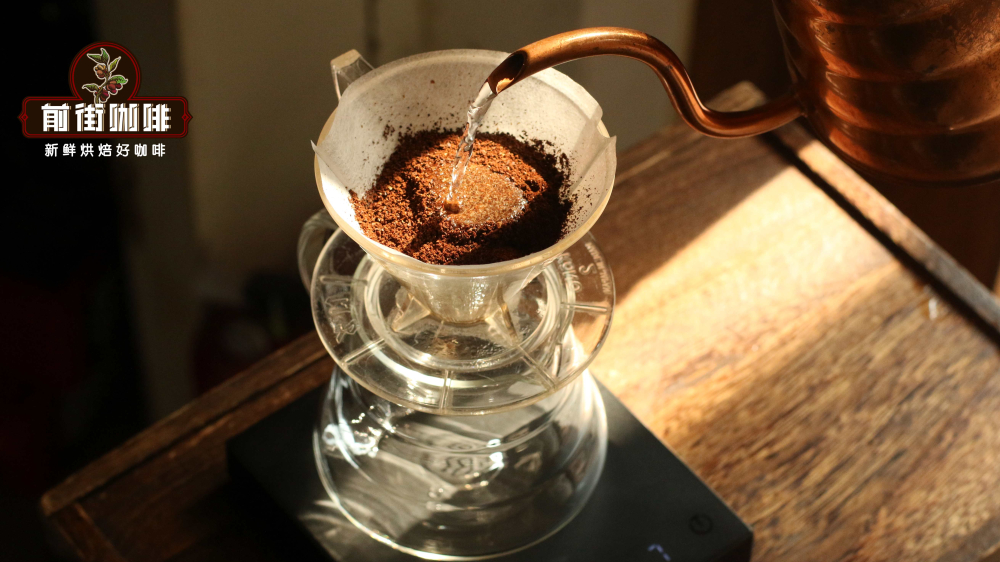
If you find maintaining a stable water flow challenging during operation, you can refer to the advice of practical users: use the non-dominant hand that is not holding the kettle to lightly support your wrist or forearm. Supporting the wrist is the most effective way to stabilize the water flow, reduce shaking, and ensure each drop of water lands evenly on the coffee bed—avoiding over-extraction or under-extraction in certain spots.
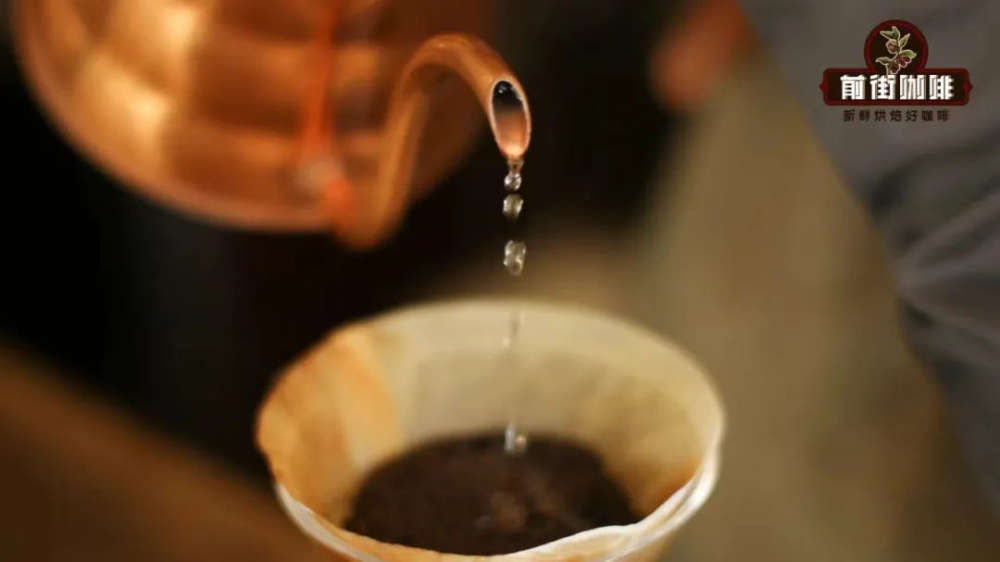
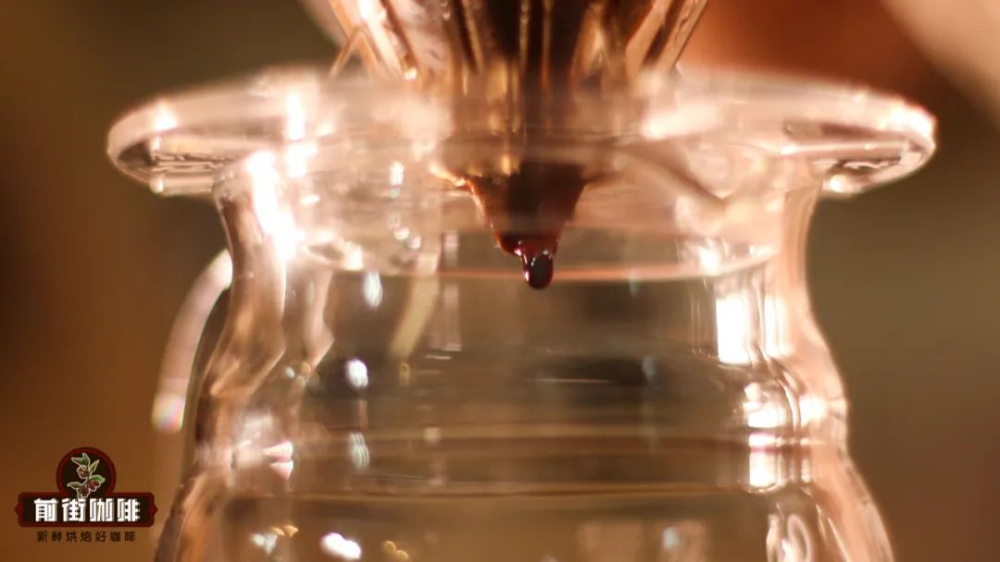
During the drip method process, observing the state of the coffee dripping is a key indicator of whether you should continue pouring. In the initial stage, the coffee grounds will rapidly absorb water and will not produce significant dripping until they reach saturation. Once the coffee bed is saturated and the internal gas has been released, the brewed coffee will begin to steadily and abundantly drip into the lower container. This turning point is the most noteworthy moment in the drip method.

In a practical brewing example using the Kono drip method with Golden Mandheling, a highly distinctive flavor profile emerges. Upon the first sip, you can perceive a full body and prominent spicy notes, followed by intertwined caramel sweetness and the deep richness of dark chocolate. You might even faintly detect warm grain-like notes reminiscent of popcorn. The overall bitterness is distinct yet not overpowering, quickly transforming into a clear aftertaste.

After swallowing, the finish lingers on the palate, with a calm, pu’er tea-like aftertaste unfolding layer by layer, adding extra depth and sustainability to the cup. This aftertaste characteristic is precisely what sets the drip method apart from regular pour over techniques. Through precise water flow control and an understanding of the coffee bed’s response, it is possible to fully release the diverse and subtle aromatic components within the coffee beans.
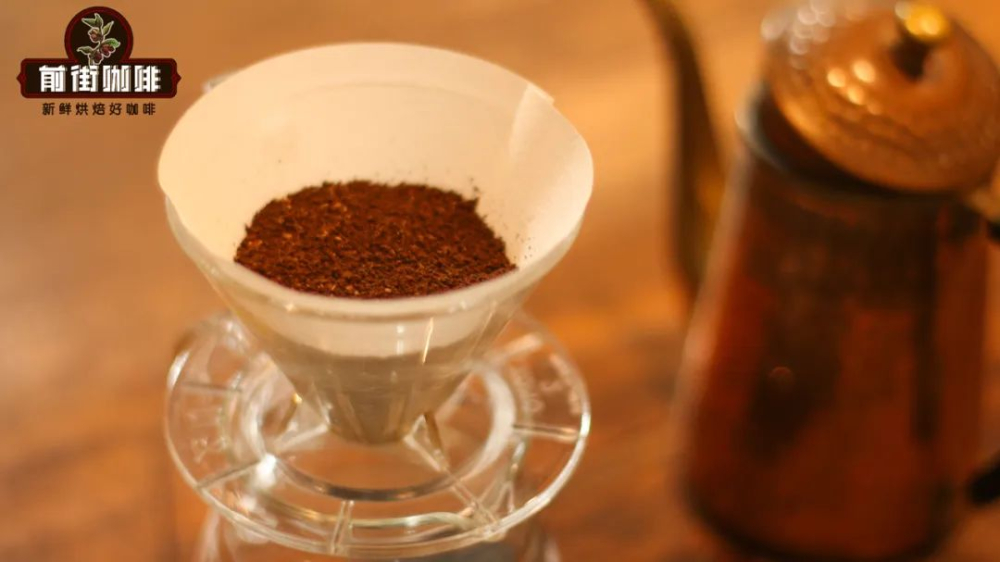
For coffee enthusiasts looking to try the Kono drip method, special attention should be paid to the fineness and stability of the water flow during pouring. It is recommended to use a narrow-spout pour over kettle and to make the water stream as thin as possible to ensure even penetration without disrupting the structure of the coffee bed. Additionally, the coffee-to-water ratio and grind size should be fine-tuned according to personal taste preferences. A medium-fine grind is generally advised, and a higher coffee-to-water ratio can be used to extract a more intense flavor profile.
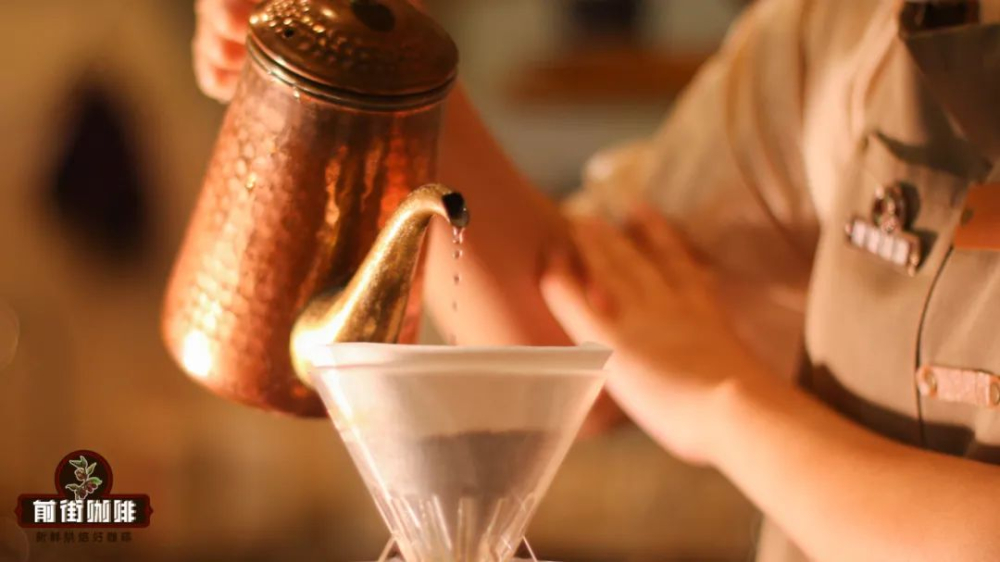
In summary, the Kono drip method is not just a pour over technique, but also a philosophy of coffee extraction that emphasizes patience and observation. From the start of pouring to the dripping of the brewed coffee, every step involves understanding the changes in the coffee bed and the pursuit of layered flavors. Through this method, you can deeply experience the complex aromas inherent in the coffee beans, as well as their profound and multi-dimensional taste experience.
The above content is compiled by CoffeeHunters, a coffee news website.


