








Introduction:Many coffee enthusiasts often hesitate before brewing, wondering whether an oily surface on coffee beans indicates freshness or not? Can beans that appear damp still be safely brewed? This article delves into the reasons behind coffee bean oiliness and its connection to roast levels, and teaches you how to judge whether beans are damp or have gone stale based on appearance and extraction performance. It also guides you through the correct storage methods to extend the optimal flavor period of your coffee, ensuring that every cup of pour over coffee showcases the layers and aromas the beans are meant to deliver.
Many beginners in pour over coffee often open a newly purchased bag of coffee beans only to find a glossy layer of oil on the surface, prompting questions like: ‘Is this normal?’ or ‘Have these been sitting out too long?’ Additionally, some consumers worry about using beans at home that may have become damp due to improper storage. In reality, coffee bean oiliness and dampness are two common yet often misunderstood phenomena. With the right knowledge, it’s easy to assess the condition of the beans and avoid wasting high-quality coffee.
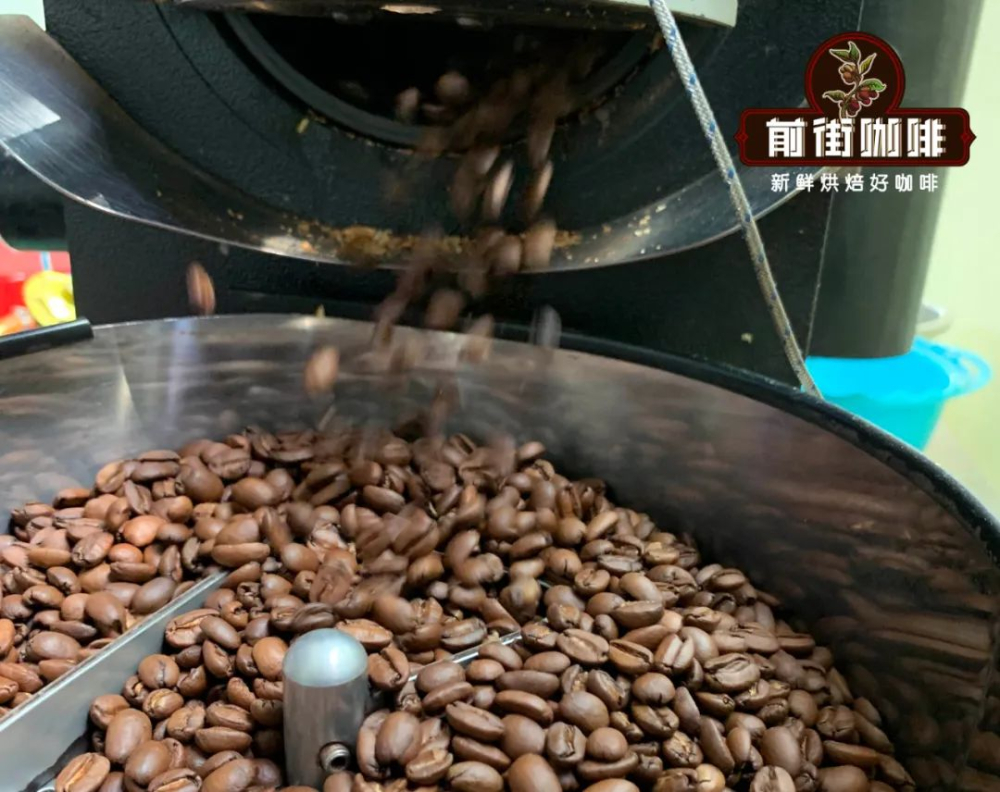
Let’s first talk about the ‘oil’ on the surface of coffee beans. This seemingly moist sheen is actually water-soluble fats from within the beans, not moisture as is commonly misunderstood. During the roasting process, green beans are subjected to high heat, causing their internal cell walls to expand. The originally sealed carbon dioxide and oils gradually seep out to the bean's surface as the temperature drops after roasting. This is especially evident indark roasts (typically after the second crack stage), where this oiliness becomes more pronounced.

For example, a medium-dark roasted bean such as Indonesian Golden Mandheling may start to show slight oiliness after 3 to 5 days of resting, which is normal. Some beans roasted for about five to seven days might even display spotted oil droplets on the surface, usually caused by uneven heating leading to localized dehydration — this can actually be a sign that the batch has entered its optimal flavor window. It’s important to note that oiliness is only one of several indicators of roast depth and is not absolutely correlated with coffee freshness.
As for extremely dark roasted beans, such as certain so-called ‘Japanese-style dark roasts,’ they may even exhibit a noticeably shiny appearance right out of the roaster, which is also normal. Therefore, if you notice oil on the surface of your coffee beans, there’s no need to immediately assume they’ve gone bad — instead, evaluate them based on other factors as well.
In contrast, determining whether coffee beans are damp is more complex. Generally, damp beans aren’t easily identified by appearance alone, as they usually don’t look ‘wet.’ But if you experience grinding difficulties, clumping of ground coffee, significantly reduced aroma during brewing, or even detect moldy odors, these are all warning signs that the beans may be damp. Damp beans, having absorbed moisture from the environment, not only lose their flavor but may also foster mold growth, posing health risks.
Right after roasting, coffee beans typically contain only about 1–2% moisture. This low moisture level helps maintain flavor stability. However, once exposed to a damp environment over time, beans act like sponges, absorbing moisture from the air. This not only accelerates oxidation but can also lead to mold and spoilage. If you notice that the coffee bed doesn’t expand properly during brewing, the overall extraction lacks aroma, or the taste is flat with woody or cardboard notes, these are likely signs that the beans have already gone stale.
So, how should you properly store coffee beans to maintain their freshness? The key lies in protecting them from four major enemies:oxygen, moisture, light, and high temperatures. It is recommended that consumers choose packaging bags with one-way degassing valves. These bags effectively release the carbon dioxide produced by the beans while preventing external oxygen and moisture from entering. Once opened, it’s best to transfer any unused beans to an airtight container and store them in a cool, dry place, away from direct sunlight and high temperatures.
Although storing beans in a low-temperature environment (such as the refrigerator) might seem like an option, the reality is that fluctuations in temperature and humidity can cause the beans to absorb moisture or develop condensation, further compromising quality. Therefore, keeping coffee beans in a sealed, light-proof, and dry environment at room temperature is the most practical and safe approach. Also, remember that once coffee beans are ground, their increased surface area leads to rapid flavor loss, so it’s best to grind them right before brewing to fully enjoy the true expression of the coffee.
In summary, oiliness on the surface of coffee beans doesn’t necessarily mean they’re stale — it’s closely related to roast depth. On the other hand, damp beans need to be assessed based on grinding performance, aroma, and brewing results. By mastering the correct storage methods and avoiding the four major factors — oxygen, moisture, light, and high temperature — you can fully experience the unique flavors and complexity each coffee bean has to offer during your pour over sessions, and enjoy a better coffee experience.
The above content is compiled by CoffeeHunters, a coffee news website.


