







Introduction:From Jamaican Blue Mountain to Panamanian Geisha, from Indonesian kopi luwak to Hawaiian Molokai, these coffees ranked among the most expensive in the world are not only astonishingly pricey but also possess irreplaceable flavor profiles due to their unique terroir, complex processing methods, and rarity. This article delves into the origins, flavor characteristics, and market positioning of the top ten premium coffees, taking you behind the story and brewing recommendations of each.
The world of coffee is wonderfully diverse, with significant differences in aroma profiles and taste layers among various varieties. For avid coffee enthusiasts, savoring a truly outstanding specialty coffee is undoubtedly a rare treat. Coffees such as Blue Mountain, kopi luwak, and Geisha have long become legendary icons in both the industry and among consumers, not only celebrated for their distinctive aromas and complex layers but also for their consistently high prices. Below, we’ve compiled a list of the world’s ten most expensive coffees—presented in no particular order—to introduce their origin backgrounds, processing methods, flavor features, and market value. How many of these do you know?
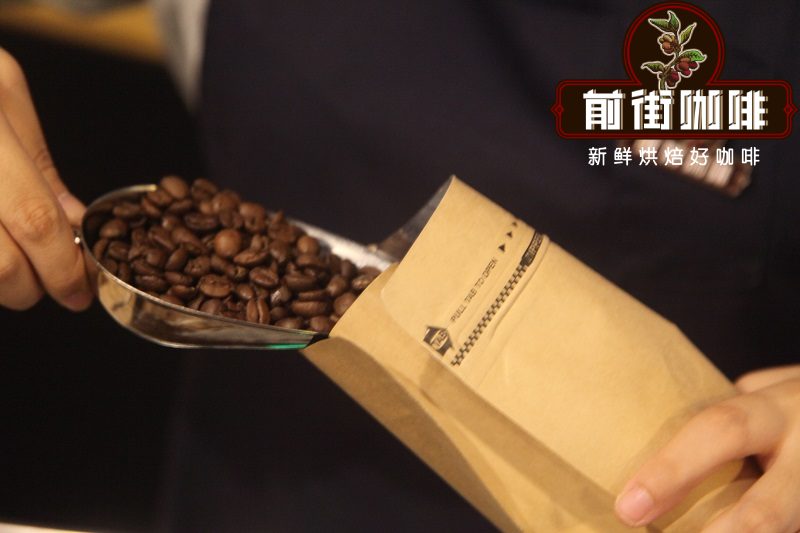
First up is “Mocha Coffee” from Yemen, also known as Arabian mocha. It is one of the oldest recorded coffee varieties and once topped the global coffee rankings. Its flavor profile is rich, blending notes of cocoa, tobacco, and dark chocolate, with a uniquely ancient character. However, due to extremely limited production, it is mostly available only at high prices, making it a luxury item in the coffee world.
Next is the oddly notorious yet highly attention-grabbing “elephant dung coffee,” also known as Black Ivory Coffee. This coffee is “processed” by Asian elephants, which are fed specially selected Arabica beans along with bananas, sugarcane, and other foods they commonly eat. After natural fermentation in the elephants’ digestive systems, the beans are excreted. This unique process imparts distinct fruity notes to the coffee beans, which are then cleaned and roasted. A cup of elephant dung coffee typically costs around $50. Though pricey, many coffee drinkers are drawn to its unique aroma and flavor.
Speaking of unique processing methods, we must mention Indonesia’s “civet coffee,” commonly known as “kopi luwak.” This coffee is produced when civets (wild palm civets) consume ripe coffee cherries and then excrete the undigested beans through their feces, which are later collected, cleaned, and roasted. Civets naturally prefer ripe, high-quality coffee fruits, indirectly elevating the base quality of the beans. Although market prices once soared to several hundred dollars, its popularity has waned as the market has matured, though it still holds collectible value.
Another coffee famous for being processed via bird excrement is “Jacu Bird Coffee,” produced in Brazil and excreted by the local Jacu bird, a South American bird species. This coffee is renowned for its rich, sweet flavor, accompanied by delicate fruity notes and a chocolatey finish. Its overall profile is mild with well-defined layers, making it an extremely rare type of coffee.
“Panamanian Geisha Coffee” is one of the most renowned coffee varieties in the world. Its name originates from the Gesha Mountains in Ethiopia, its place of origin, but it gained international fame through high-altitude cultivation at Panama’s Hacienda Esmeralda. Grown on volcanic slopes at altitudes above 1,600 meters, the extended ripening period gives it exceptionally complex aromas and a balanced acidity and sweetness. Hacienda Esmeralda categorizes Geisha into Red and Green labels: the Red Label boasts intense floral notes, tropical fruit aromas, and high sweetness, akin to drinking floral honey preserves; the Green Label showcases honey-like sweetness, light floral notes, and a subtle green tea aftertaste, suiting those who prefer a delicate flavor.
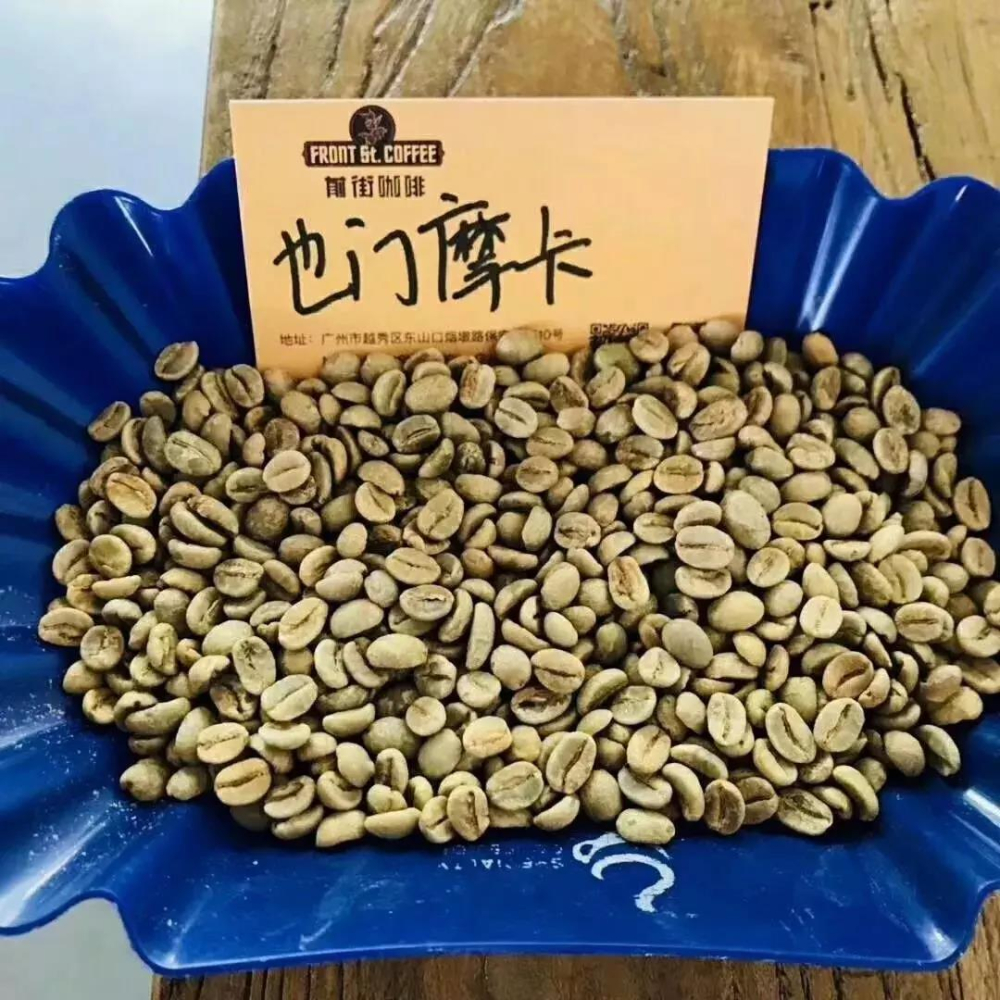
“Golden Mandheling” from Sumatra, Indonesia, is one of the region’s most representative specialty coffees. Sumatra’s unique volcanic soil and humid climate give it a strong woody character, full body, low acidity, and layered aromas including herbal, cedar, cocoa, and fermented fruit, often with a nutty sweetness in the finish. This coffee is carefully selected by the renowned local exporter PWN, undergoing multiple rounds of manual sorting to ensure every bean meets high standards, resulting in a rich and consistent flavor profile.
“Molokai Coffee” is a premium organic coffee from Hawaii, USA, grown on a plantation spanning about 500 acres on Maui Island. This coffee is known for its gentle acidity, rich floral notes, berry and caramel aromas, full body, and a faint chocolatey finish. It enjoys strong popularity in the North American market and is also one of the top ten most expensive coffees in the world.
“St. Helena Coffee” comes from St. Helena Island in the South Atlantic, a volcanic island with isolated geography and exceptional natural conditions. Locally grown using organic farming methods and traditional Typica beans at high-altitude mountainous regions, the coffee beans appear light green in color and, after roasting, emit citrusy freshness and soft acidity. It is considered a delicacy by many coffee connoisseurs.
Also from a family-run estate is Brazilian “São Inácio Coffee,” famed for preserving traditional planting and processing techniques. The farm has been irrigated with pure natural mineral water for generations and employs the natural sun-drying method. The coffee offers intense berry and caramel aromas with a long-lasting finish. Its market price once reached up to $50 per pound, making it a long-standing favorite in the specialty coffee market.
Finally, we must mention the legend of the coffee world—“Jamaican Blue Mountain Coffee.” Grown in the Blue Mountains of Jamaica, a range named for the blue haze created by sunlight reflecting off the ocean, this region features fertile volcanic soil, high altitudes (up to 2,256 meters), and a misty, rainy climate (with an average annual rainfall of 1,980 mm and temperatures around 27°C). These conditions produce a flavor profile that is delicate, balanced, and low in acidity. Authentic Blue Mountain No. 1 beans must meet strict criteria: green bean size of 17 or above, defect rate below 3%, moisture content of around 13%, and professional cupping certification. Blue Mountain No. 1 is transported in custom Blue Mountain wooden barrels to preserve its flavor integrity. Ideal for pure pour over brewing, it offers an excellent balance of acidity, sweetness, and bitterness—with almost no perceivable bitterness—and is a classic not to be missed by premium coffee enthusiasts.
The above content is compiled by CoffeeHunters, a coffee news website.


