







Introduction:This article provides an in-depth analysis of the origin of Ethiopia’s Huakui 6.0 coffee beans, the unique characteristics of the small-bean Huakui, and how to bring out its bright, strawberry-cream-like acidity using a V60 three-stage pour over method. From the natural processing technique at Buku Abel washing station to medium-light roast parameter settings, practical brewing tips are offered to help coffee enthusiasts master the brewing secrets of this championship-grade bean.
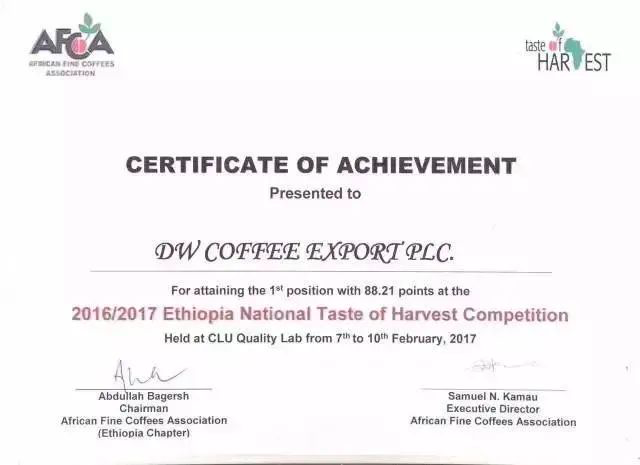
Huakui coffee beans gained brief but intense popularity after briefly being listed by Luckin Coffee. These sun-dried beans originate from the Gedeb district in Ethiopia’s Sidamo region, specifically produced at the Buku Abel washing station. In 2017, after the station's beans won the championship at the TOH (Top of the World) competition, they were introduced to the market by Hongshun and named “Huakui,” meaning “the foremost flower,” symbolizing the king of flowers. Subsequently, new seasonal versions have been released yearly under the name “Huakui X.0,” with 2022 being the Huakui 6.0. It is worth noting that the industry also lists a separately processed “small-bean Huakui,” which more closely resembles the original championship batch’s strawberry-cream flavor profile.
Origin Background and Naming Origins
The Gedeb district is located in Ethiopia’s Sidamo region, in the Guji zone, at an altitude exceeding 2,000 meters. Its red soil, rich in iron, contributes to significant day-night temperature variations and distinctive fruit acidity. Though only separated from the renowned Yirgacheffe region by a 3,200-meter-high mountain, its independent microclimate fosters a different coffee flavor profile. In 2017, the sun-dried beans from Buku Abel washing station under DW Company won the natural (sun-dried) category championship at the TOH competition. After being introduced to the market by Beijing-based green coffee importer Hongshun and named Huakui — a Chinese name that highlights its top-tier quality — the beans quickly gained attention. That same year, Li Jianfei, China’s second-place finisher in the World Barista Championship, used beans from the same batch to achieve excellent results, further boosting their fame.
Differences Between Huakui 6.0 and Small-Bean Huakui
The commonly seen “Huakui 5.0” follows the year-based naming convention. Logically, the 2022 new season should be Huakui 6.0, though it was not expected to arrive until April 2022. Industry observers have noted that smaller-sized Huakui beans often exhibit a richer aroma. As a result, in 2020, DW Company began separately processing the small beans from Buku Abel washing station, creating an independent product line. Actual cupping results show that the 2021 Huakui 5.0 exhibited the typical citrus and berry notes of the Guji region, while the small-bean Huakui more closely resembled the strawberry-cream flavor of the original championship batch.
Roasting and Brewing Recommendations
To preserve berry acidity and a bright mouthfeel, a medium-light roast is used. For pour over, the Hario V60 dripper is recommended, paired witha water temperature of 91°C,a 1:15 coffee-to-water ratio(15 grams of coffee to 225 milliliters of water), anda medium-fine grind size with 80% passing rate through a standard Chinese No. 20 sieve. The V60’s uniquely curved ribs are designed to accelerate gas release, so a three-stage pouring technique is advised: first, pour 30 grams of hot water in a “の” (swoosh) pattern to bloom for 30 seconds; second, pour in small circles centered to reach 125 grams; and finally, pour up to 225 grams in total, with an overall extraction time of about 2 minutes. These parameters effectively balance flow rate and extraction evenness.
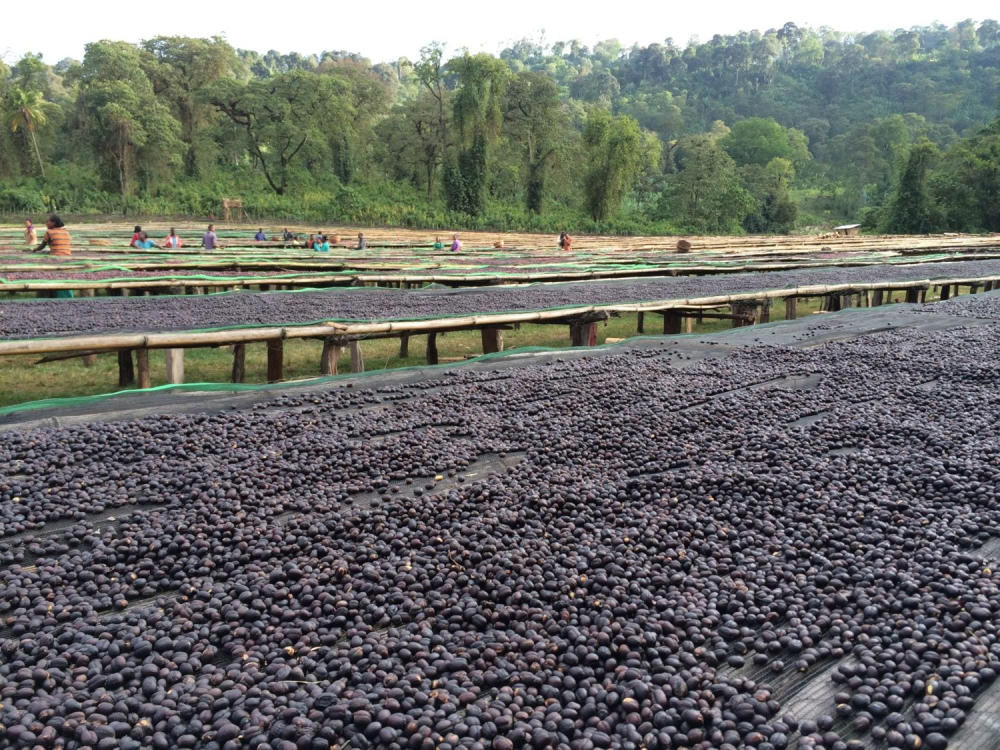
Buku Abel washing station has 20 years of experience in natural processing and is located in the village of Buku, 400 kilometers from the capital Addis Ababa. The area is surrounded by ensete trees, a staple food crop in the region. This environmental feature indirectly influences the flavor of the coffee. It’s important to note that although Li Guoqing mentioned Luckin Coffee purchased 90 tons of Huakui beans, the actual annual yield of this region is limited, and genuine Buku Abel sun-dried beans possess distinct identifying qualities. It is emphasized that when selecting Huakui series beans, priority should be given to confirming they come from the sun-dried batches of this washing station, in order to fully experience the champion-grade flavor profile.
The above content is compiled by CoffeeHunters, a coffee news website.


