







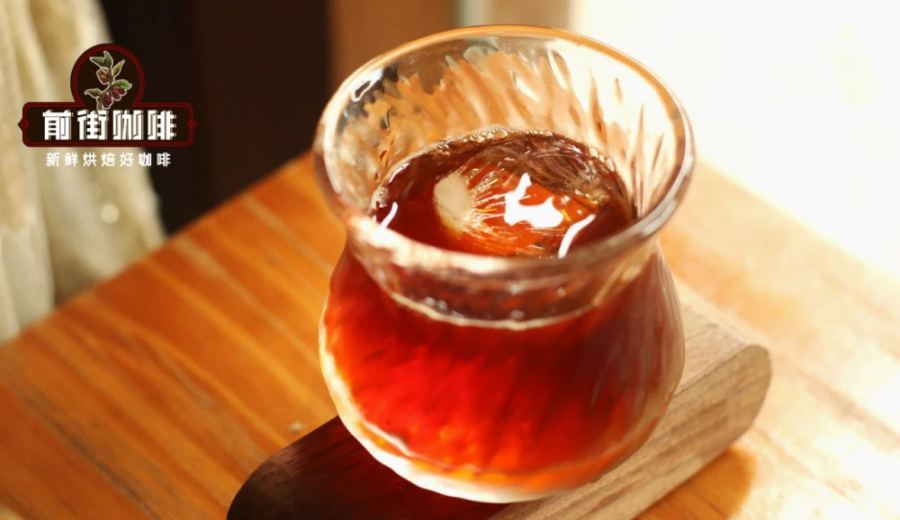
Introduction:Cold brew coffee is beloved for its unique low-temperature, long-extraction process, which results in a smooth taste, low acidity, and lack of bitterness. However, crafting a standout cup of cold brew involves subtle techniques at every step, from bean selection to brew ratio. This article delves into the principles behind cold brew preparation, outlines four classic flavor profiles, and offers practical coffee bean recommendations and extraction parameter suggestions to help you easily brew your ideal cold brew at home.
The reason cold brew needs to be prepared a day in advance is mainly due to its distinct brewing method—it uses cold or iced water for extended steeping rather than traditional hot water brewing. This slow release of flavors results in a profile that’s low in acidity, smooth, and carries a unique fermented note. Because the entire process takes a longer time, shops are more selective when choosing suitable beans, typically picking only a few that best showcase the characteristics of cold brew.
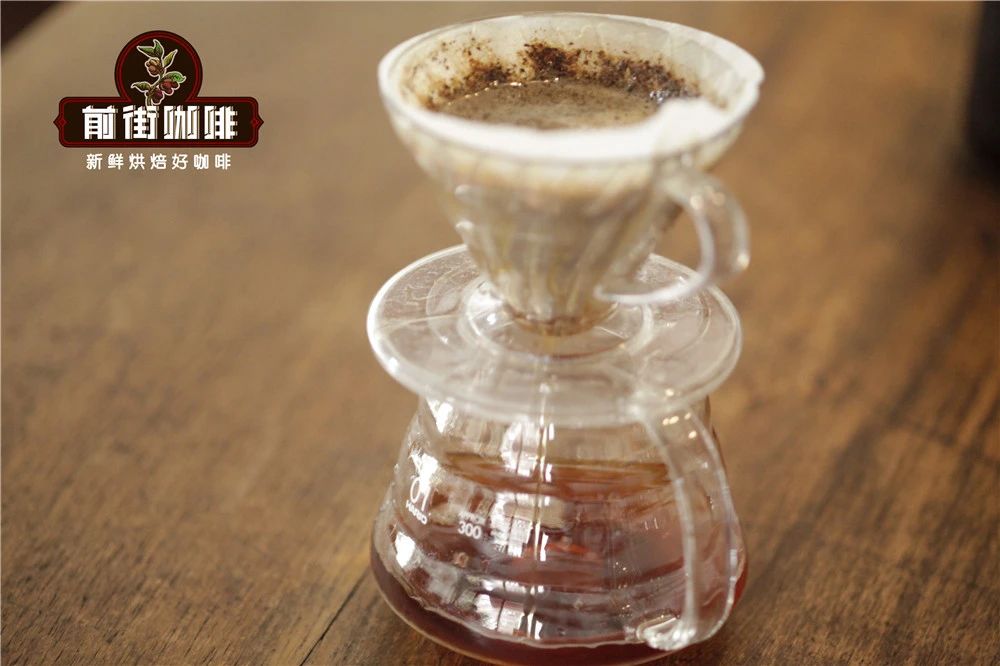
The overall cold brew process is relatively simple yet highly detail-oriented. Taking a common method as an example: use 50 grams of medium-coarse ground coffee, ideally with about 85% extraction through a #20 sieve, and place it in a glass container. Add 600 grams of ice water made by mixing 400 milliliters of room-temperature water with 200 grams of ice to forma 1:12 coffee-to-water ratio. Then stir well, seal, and refrigerate for 12 to 24 hours. Afterward, filter out the grounds with paper, then let it rest in the refrigerator for another 4 hours or so before serving.
The most distinctive feature of cold brew is its refreshing taste—there’s almost no noticeable bitterness or harshness, acidity is low, and the prolonged cold extraction produces a unique fermented flavor, similar to the effect of low-temperature aging. Understanding these traits allows you to choose suitable beans and processing methods, predict how a particular coffee will express itself in a cold brew, and fine-tune your brew to match your personal taste preferences.

Below are four common flavor profiles along with recommended pairings. Each type offers a unique sensory experience and suits different seasons and occasions.
Bold & Fruity Cold Brew
If you’re looking to enjoy a sweet and tangy, fruit-forward cold brew in the summer, the bold & fruity type is your go-to. This style usually achieves a balanced sweet-and-sour profile that instantly refreshes. Recommended beans include the brand’s signature Hua Kui and Ethiopian Yirgacheffe, with the former often showcasing prominent notes of mango, citrus, and a hint of pineapple fermentation, while the latter exudes vibrant aromas of lychee, mango, and blueberry—perfect for those who love tropical fruit flavors.
Fresh Floral & Fruity Cold Brew
For those who prefer a light and delicate flavor, washed-process beans are usually the first choice. The washing process reduces fermentation levels, helping the coffee retain more of its original fruity and floral notes—especially washed beans from Ethiopia and Panama, which are popular sources for fresh-style cold brews. For instance, a certain brand’s Yirgacheffe · Gu Ding Ding, processed via washing, highlights subtle flavors of lemon, white flowers, and green tea; Boquete washed Geisha and washed Flower Butterfly also present soft white floral notes, citrus tones, and honey-like aromas. However, be aware that some white floral notes may be misinterpreted as herbal—slightly increasing the water amount to lower overall concentration can help balance the taste.
Rich & Deep Cold Brew
If you’re a fan of dark roasts and bold flavors, then the rich & deep cold brew is perfect for you. These coffees often use dark roast beans or expertly crafted blends to deliver intense notes of chocolate, caramel, and a full body. Recommended beans include Jamaican Blue Mountain and Indonesian Golden Mandheling—the former showcases refined caramel sweetness and layers of rich chocolate, while the latter is known for its robust, steady mouthfeel paired with dark berry and spice aromas. This style of cold brew is ideal for colder seasons and also makes an excellent post-meal companion.
‘Tipsy’ Winey Cold Brew
Winey cold brews, with their unique fermented sensation and beverage-like aftertaste, are adored by many coffee enthusiasts. These brews typically use anaerobically processed beans, where special fermentation enhances depth and complexity. For example, a certain brand’s 90+ Eleta Geisha, roasted to a medium level and processed anaerobically, yields a cold brew that is nearly acid-free, with prominent vanilla and creamy sweetness, plus a strong whiff of whiskey-like alcohol. If you prefer winey notes with more fruit acidity and berry aromas, Strawberry Candy and Mozart are great alternatives—the former uses raisin honey processing to bring out fermented notes of berries and raisins, transforming into a fruity-wine-like sweetness in the cold brew; the latter incorporates hints of lavender-like violet aroma, adding further layers of sensory experience.

The above content is compiled by CoffeeHunters, a coffee news website.


