







Introduction:Want to consistently brew a pour over coffee with distinct layers and balanced flavor? The three-stage pouring method is widely recognized by coffee enthusiasts as a universal foundational technique. This article takes 15 grams of coffee grounds and a 1:15 coffee-to-water ratio as an example, explaining in detail the proportion allocation, water temperature control, and operational rhythm of the three pours, guiding you on how to enhance flavor clarity and overall extraction quality through segmented pouring.
In the world of pour over coffee, the way you pour water is one of the most critical factors influencing the final flavor profile. Different pouring strategies directly alter the extraction efficiency of the coffee, thereby affecting taste and aroma expression. For beginners, the three-stage pouring method is a beginner-friendly technique that balances stability and flexibility, often regarded as the "universal pour over method." This article will use 15 grams of coffee powder and a 1:15 coffee-to-water ratio as an example, breaking down step-by-step the design of the three-pour proportions, operational details, and water temperature adjustments, helping you present the coffee’s potential more precisely.
The so-called three-stage pouring actually divides the entire brewing process into three sequential stages: the first stage is the bloom, whose primary purpose is to activate the coffee grounds; the second and third stages are responsible for the main extraction work. This segmented approach not only facilitates control over extraction time and flavor balance but also gives the brewer opportunities to make real-time micro-adjustments. For example, using 15 grams of coffee powder and following a 1:15 coffee-to-water ratio, a common distribution might be: around 30 ml of hot water poured in the first stage for blooming, 100 ml in the second stage, and 95 ml in the third stage, totaling approximately 225 ml, which fits the golden 1:15 ratio.
The greatest advantage of the three-stage pouring method lies in its high controllability and broad applicability. Whether the coffee beans in hand are light roast, medium roast, or dark roast, this method can effectively extract various flavor characteristics and achieve a good balance between acidity, sweetness, and body. For those who are just starting out with pour over, the three-stage method is especially beginner-friendly because it offers multiple opportunities for observation and adjustment. For instance, if the first stage bloom or the second stage pouring results in uneven extraction, you can still compensate in the third stage, avoiding a one-time mistake from compromising the overall outcome.
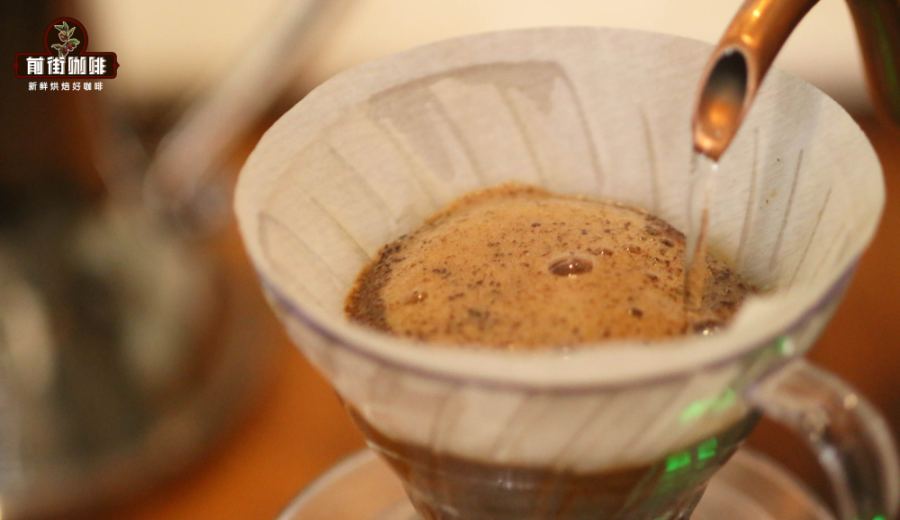
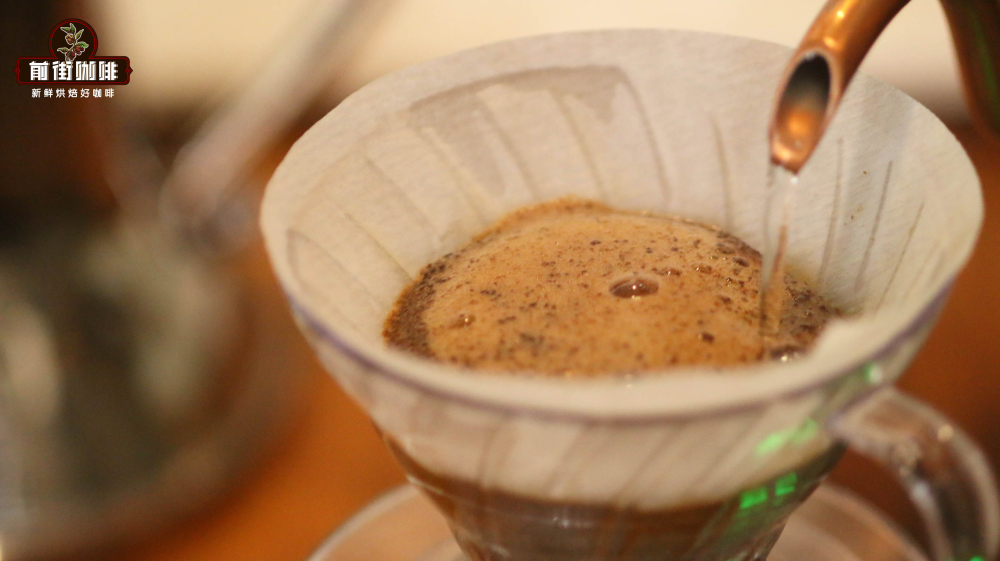
During the first stage of pouring, it is recommended to use a fine stream of water and gently circle the pour, aiming to evenly saturate all the coffee grounds. This step is also known as the bloom, and its primary function is to release carbon dioxide from the coffee grounds. As the coffee absorbs water, it gradually expands, forming a compact layer on the surface while creating a good filtration structure underneath. The water volume at this stage is usually controlled at around 30 ml, and the circling motion should be quick and even to avoid leaving parts of the coffee bed un-wetted, which could affect the uniformity of subsequent extraction.
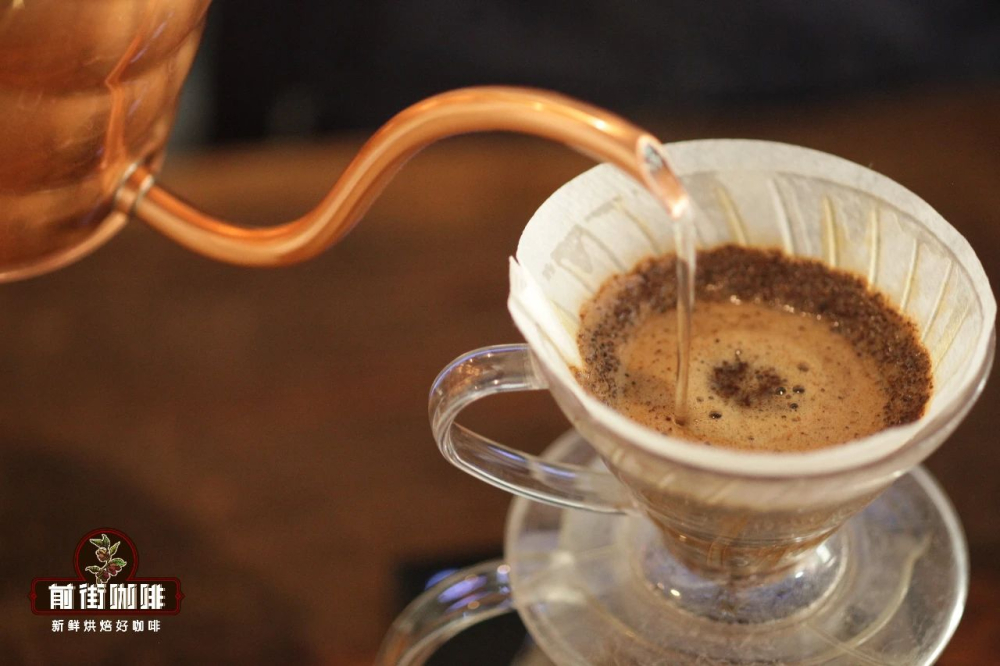
When moving to the second stage of pouring, you should begin as the expansion of the coffee grounds gradually subsides. In the early part of this stage, it’s still advisable to use a gentler stream of water to continue helping gases escape from within the coffee bed. Once a certain amount of extracted liquid has accumulated between the coffee layers, you can then gradually increase the pouring intensity. The water volume for this stage is about three-quarters of the total extraction volume, or roughly 100 ml. A rhythm that starts slow and then speeds up helps the coffee grounds mix uniformly in the solution, preventing over-extraction in any single area while improving the overall stability and consistency of extraction.
As for the third stage of pouring, it is recommended to start when the flow rate in the filter begins to slow but hasn’t completely stopped. At this point, you can slightly increase the pouring pressure to agitate the coarser coffee particles again, helping to clear the bottom filtration pathways and prevent channeling. The water volume for this stage is about 95 ml, and using a relatively stronger flow can further enhance the comprehensiveness of extraction, while strengthening the coffee’s layered feel and the solidity of its mouthfeel.
Water temperature setting is also a crucial element in the three-stage pouring method that shouldn’t be overlooked. It is generally recommended to use a relatively high water temperature of about 92°C during the first stage bloom, which helps thoroughly release gases from the coffee grounds; the second stage suggests gradually reducing the temperature from 88°C down to about 75°C—this temperature range aids in fully dissolving fruit acids and aromatic compounds; by the third stage, the water temperature can be reduced further to around 80°C. This serves to continue extraction while avoiding excessive release of bitter substances. It’s important to note that these temperatures refer to the actual temperature of the water when it comes into contact with the coffee grounds, not the temperature displayed inside the kettle. During actual operation, you can make fine adjustments by altering kettle spout height and pouring speed.
In summary, the three-stage pouring method is a pour over technique that combines flexibility with precision. It not only helps beginners establish a stable brewing foundation but also allows advanced users to fine-tune based on bean characteristics. As long as you master the proportion allocation, water temperature control, and pouring rhythm, you too can easily brew clean, bright, and richly layered high-quality coffee at home.
The above content is compiled by CoffeeHunters, a coffee news website.


