








Introduction:Yirgacheffe is Ethiopia’s most iconic specialty coffee region, renowned for its distinctive citrus and floral notes. This article delves into the region’s history and the evolution of its processing methods to explore why it has become a globally sought-after single-origin espresso (SOE). It also compares price differences among Yirgacheffe offerings from brands like Luckin and Starbucks, and provides an in-depth look at the flavor profiles and pour over recommendations for three well-known bean varieties—making it a practical beginner-to-advanced guide.
The name Yirgacheffe is more than just a place for many coffee enthusiasts; it’s synonymous with bright acidity and enchanting floral aromas. Located in Ethiopia’s southern highlands at elevations of 1,700 to 2,100 meters, Yirgacheffe is famed for its smallholder farming and meticulous processing. Its coffees often exhibit citrus notes like lemon and passionfruit, paired with vibrant jasmine or white floral tones, delivering clean and crisp flavors that serve as a key benchmark in the global specialty coffee market.

In late 2020, Luckin Coffee launched the “Little Black Cup·SOE Yirgacheffe” in multiple cities, with single cups priced between 20 and 34 RMB. This move brought this previously niche single-origin bean into the mainstream. Compared to similar products from brands like Starbucks, Luckin’s pricing is more consumer-friendly, attracting many first-time drinkers of single-origin Yirgacheffe. What exactly makes this coffee from the Horn of Africa so appealing? We’ll explore its regional origins, processing techniques, and flavor profiles, along with an in-depth analysis of the characteristics and brewing methods of several popular Yirgacheffe beans on the market.
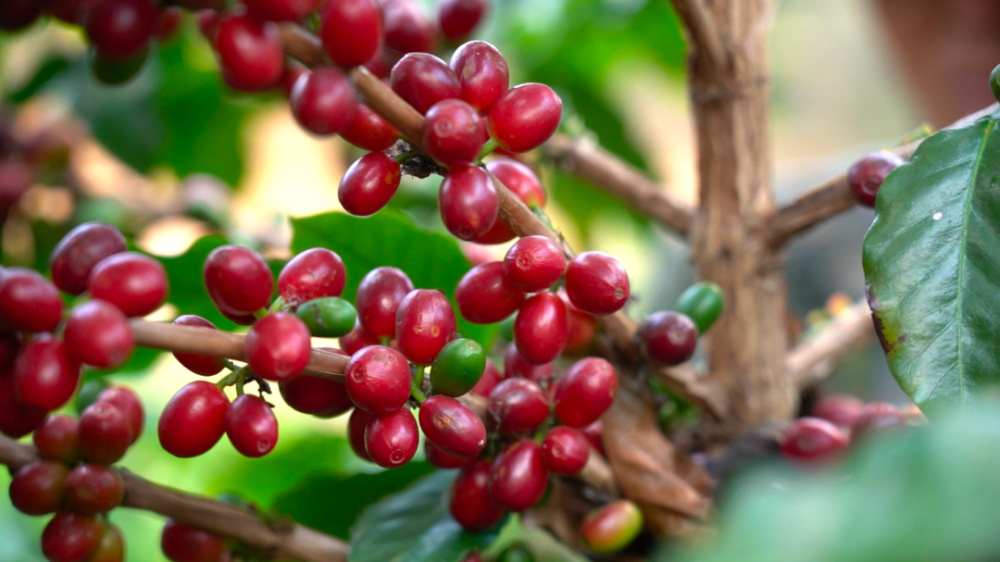
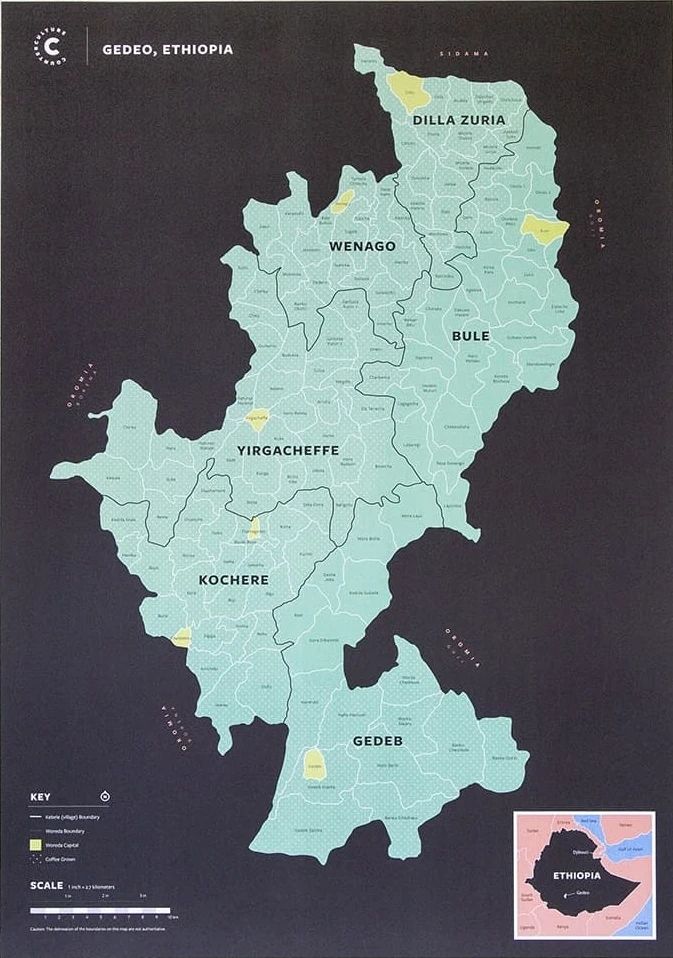
Originally part of Ethiopia’s Sidamo region in the northwest, Yirgacheffe was separated due to its uniquely distinct flavors and established as an independent producing area. The region enjoys a mild climate, often shrouded in light mist, coupled with high altitudes that create ideal conditions for slow coffee cherry maturation. The area is dominated by smallholders, with approximately 1.2 million households relying on coffee for their livelihoods. Most deliver their fresh cherries to nearby cooperatives or processing stations for initial processing, which are then sold as lots from these facilities.
As early as 2004, the Ethiopian government registered regional names like “Yirgacheffe” as protected commercial designations. In 2008, it established the Ethiopian Commodity Exchange (ECX), which introduced a grading and flavor classification system, enabling buyers to select beans with specific flavor characteristics based on labeling. Currently, regions categorized under the “Yirgacheffe flavor” profile also include Wenago, Gelena Abaya, and Kochere.
Yirgacheffe’s unique flavors stem from its exceptional growing environment and the evolution of its processing methods. Initially, traditional sun-drying was the primary method, where whole coffee cherries were dried directly in the sun. While this preserved sugars, it often resulted in inconsistent and muddled flavors. It wasn’t until 1972, when Ethiopia adopted washed processing techniques from Central and South America, that a washing method tailored to Yirgacheffe’s humid conditions was successfully developed—allowing the region’s coffee to showcase purer acidity and floral qualities.
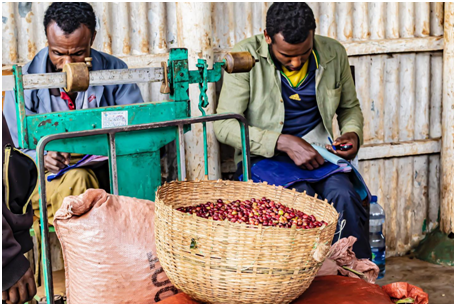
The washed process involves several steps: sorting beans (using buoyancy to remove unripe ones), removing pulp and skin, fermenting to eliminate mucilage, washing to clear impurities, and finally drying the parchment-covered beans evenly on raised beds. This method significantly reduces defective beans, resulting in brighter acidity, cleaner mouthfeel, and laying the foundation for preserving fruity and floral notes even after light roasting.
With the rise of specialty coffee concepts, roasters have gradually adjusted roast levels, keeping Yirgacheffe within light to light-medium ranges to highlight its natural acidity and delicate aromas. Compared to the heavy body and bitter roastiness of traditional dark roasts, Yirgacheffe wins favor with its refreshing fruitiness and tea-like qualities, making it a favorite among many pour over enthusiasts. In recent years, chains including Luckin have also launched SOE single-origin Yirgacheffe, making this classic African bean more accessible to the public.
To better understand Yirgacheffe’s actual flavor expressions, consider these three representative and widely available beans: the washed “Gedeb Cooperative,” the natural “Red Cherry,” and the beginner-friendly “Yirgacheffe Everyday Bean.” These beans not only embody the core traits of Yirgacheffe but also offer unique nuances, catering to different brewing preferences and budgets.
The washed Gedeb Cooperative is known for its traditional craftsmanship, with dry aromas of passionfruit and citrus offering bright acidity. Upon tasting, the clarity of lemon and berry flavors shines, complemented by almond and tea-like aftertastes. Though low in body, it delivers layered complexity—ideal for those who prefer a clean, refreshing cup. The natural Red Cherry, made from fully ripe cherries fermented in the sun, boasts richer sweetness with distinct fermentation notes and honey-like tones. Its acidity is rounder, making it a great choice for consumers who enjoy bold fruitiness. Meanwhile, the Yirgacheffe Everyday Bean retains classic flavors through a medium-light roast, suitable for various brewing methods like pour over and French press—a budget-friendly option for entry-level bags.
For brewing Yirgacheffe, we recommend using a V60 filter cone with a medium-fine grind (approximately 78% passing through a #20 sieve), water temperature controlled at 92–93°C, a brew ratio of around 1:15, and a base dose of 15 grams. Use a three-stage pouring method: start with double the coffee dose in hot water for a 30-second bloom to release aroma; then pour slowly to 125 grams, wait for the bed to lower, and continue pouring to 225 grams to complete extraction, with a total brew time of about 2 minutes. This approach ensures balanced extraction of acidity and sweetness while avoiding over-extraction that can lead to bitterness.
The above content is compiled by CoffeeHunters, a coffee news website.


