







Introduction:Blue Mountain coffee is often considered "expensive" and "only available in Japan," a notion that actually stems from a special trade agreement between Jamaica and Japan in the last century. However, the situation has changed significantly today—authentic Jamaican Blue Mountain coffee can now be directly imported, and consumers have the opportunity to purchase beans with official origin certification through legitimate channels. This article will introduce the history, current import status, and quality grading system of Blue Mountain coffee, as well as provide pour over brewing recommendations for Blue Mountain No. 1 to help you gain a deeper understanding of this world-class coffee.
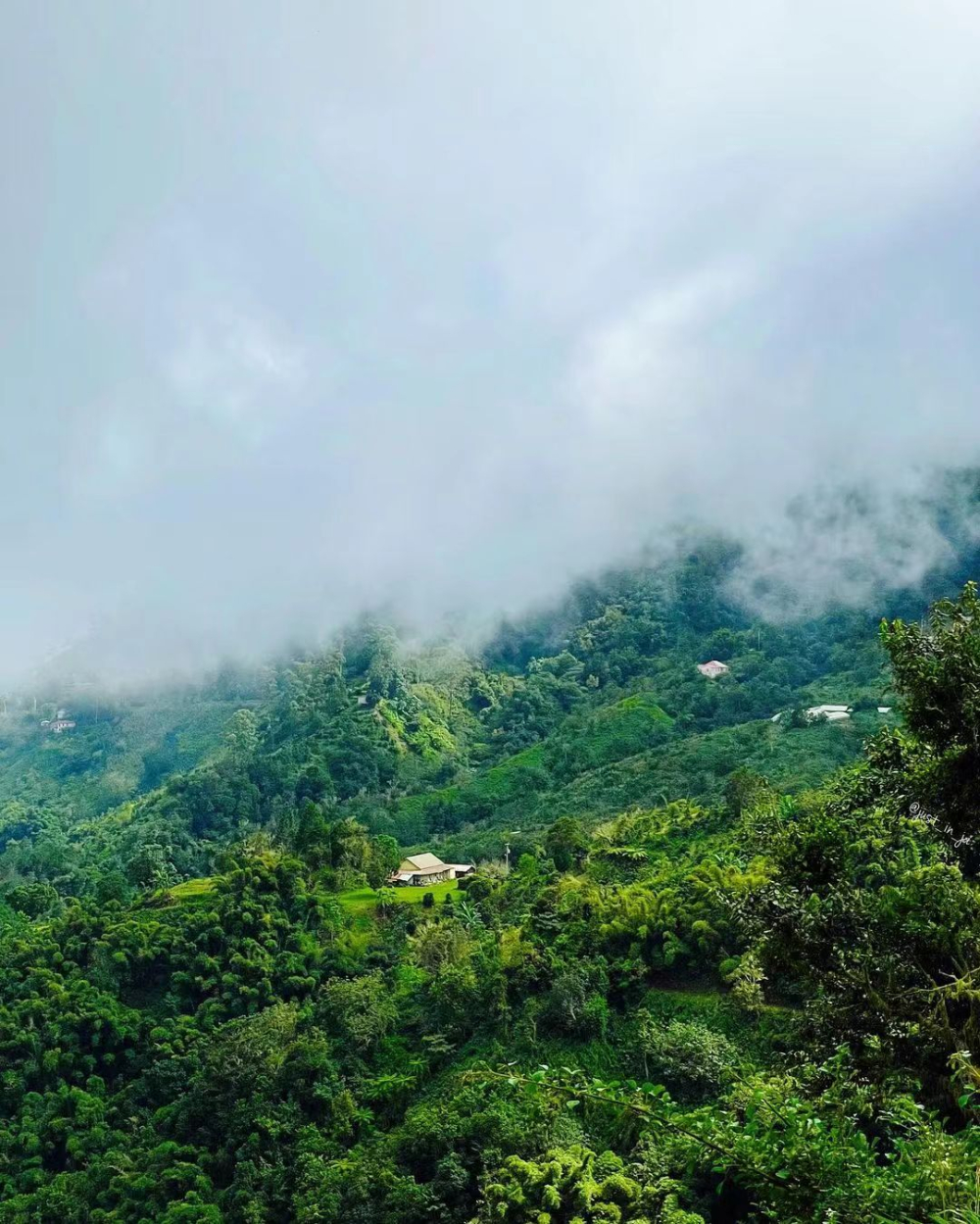
When it comes to Blue Mountain coffee, many people immediately think of "high prices" and "Japanese exclusivity." These notions originate from a historical context in the last century. Before the 1960s, Jamaican coffee already had a certain level of international recognition, but in 1969, it suffered a devastating blow from a severe hurricane that heavily damaged the coffee industry. At the time, Japan’s UCC company stepped in to provide funding and advanced cultivation techniques. In return, the Jamaican government signed a 30-year cooperation agreement with Japan, promising to supply 90% of its high-quality Blue Mountain coffee beans primarily to the Japanese market, with only 10% allocated to other regions such as Europe and the United States.
As the agreement expired and the global economic environment evolved, Japan’s share of Blue Mountain coffee purchases has significantly decreased—from the previous 90% to less than 60% today. Especially after the economic downturn of the 1990s and the rise of farmers’ independent consciousness, Jamaica substantially increased the price of green beans, causing Japan to no longer be the primary market for Blue Mountain coffee. Nowadays, consumers are no longer restricted to Japanese channels and can purchase authentic Blue Mountain coffee from Jamaica through legitimate import channels.
Searching online for "Blue Mountain coffee" often yields numerous articles teaching how to distinguish real from fake Blue Mountain coffee. This is because the international reputation of Blue Mountain coffee has led some merchants to sell low-quality products under names like "Blue Mountain blend," "Blue Mountain flavor," or "Blue Mountain instant coffee," causing market confusion. However, genuine Blue Mountain coffee still exists—for example, as early as 2011, China’s Zhejiang Province-based DUNN'S RIVER Import & Export Company, on behalf of the Hangzhou Coffee Association, directly purchased one thousand barrels (each 70 kilograms) of Blue Mountain coffee from Jamaica, totaling two million USD. Currently, the Jamaican government has also published a list of authorized exporters in China on the CIB website, indicating that the market is gradually becoming more transparent and open.
The grading system for Blue Mountain coffee is one of the most rigorous in the world, overseen by the Jamaica Coffee Industry Board (CIB). Evaluation criteria include green bean size, defect rate, appearance color, uniformity, as well as cupping performance after roasting, such as dry aroma, wet aroma, acidity, flavor, body, and cleanliness. Bean size is screened using sieves with different mesh sizes—beans that can pass through a 17-mesh or larger sieve are generally more consistent and plump in quality. In terms of color, a bluish-green hue is considered the most ideal grade and is assessed both visually and with a chroma meter. Based on these comprehensive metrics, Blue Mountain coffee is divided into four main grades: NO.1, NO.2, NO.3, PB (Peaberry), and mixed beans. Among them, NO.1 is the highest grade, often referred to as "Blue Mountain No. 1."
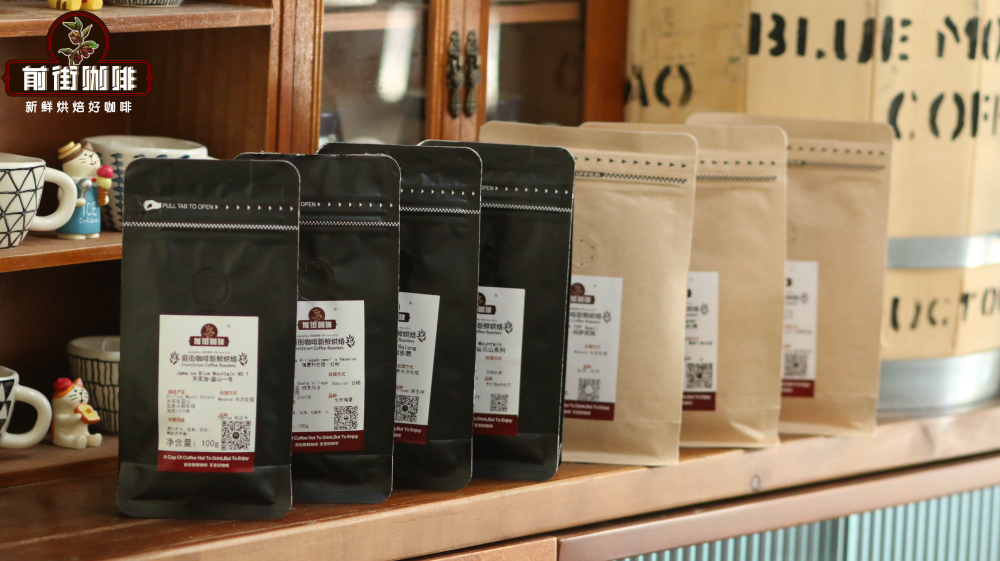
Taking the well-known Blue Mountain No. 1 as an example, its beans come from the Clifton Estate in Jamaica. Each batch is accompanied by a quality certificate issued by the Jamaica Coffee Board, an authorized manufacturer’s letter, and an origin certification document. Physical stores even display oak barrels containing the green beans to demonstrate their authentic provenance. Blue Mountain No. 1 must meet multiple strict conditions, including a green bean specification of 17 mesh or above, a defect rate below 3%, a moisture content of around 13%, and must demonstrate rich aroma, delicate and balanced flavor, low acidity, and a long-lasting aftertaste in cupping—all hallmarks of top-tier quality.
In terms of roasting, the Jamaica Coffee Industry Board also provides recommended roast levels for Blue Mountain coffee. Medium roast is generally advised, as it balances the coffee’s inherent rich chocolatey notes with a moderate level of fruity acidity. Roasters follow this principle, using medium roast to highlight the bold yet refined characteristics of Blue Mountain No. 1.
To more accurately accentuate the rich and rounded mouthfeel of Blue Mountain No. 1, it is recommended to use a KONO filter. The rib design of this filter does not extend to more than half the height of the cup, allowing the filter paper to adhere more closely to the walls when water is poured. This reduces airflow, prolongs the contact time between the coffee grounds and water, and results in a more even extraction—especially suitable for Blue Mountain coffee, which features mild flavors and distinct layers.
Here are the specific recommended parameters for pour over brewing Blue Mountain No. 1: use 15 grams of coffee grounds, a 1:15 coffee-to-water ratio, and a grind size around EK43s setting 10.5 (equivalent to 75% passing rate on a Chinese standard 20-mesh sieve), with water temperature controlled at 87–88°C. The pour over steps are as follows:
1. Place the filter paper in the KONO dripper, rinse it with hot water to wet the paper and preheat the dripper.
2. Add the coffee grounds, gently tap to level the coffee bed.
3. For the first stage, pour about 30 grams of water to bloom, for around 30 seconds.
4. In the second stage, steadily pour water up to about 125 grams, using a steady circular motion.
5. When the coffee liquid level drops halfway, proceed to the final pour, bringing the total water volume to 225 grams.
6. Allow all the coffee to fully drip through; the total extraction time should be approximately 2 minutes.
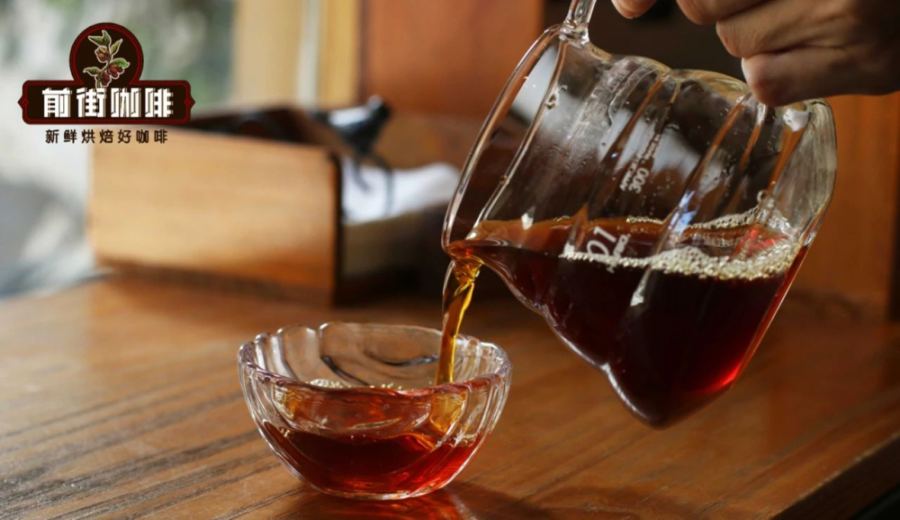
The final brewed Blue Mountain No. 1 coffee presents flavors of rich dark chocolate and nuts, with a pronounced almond note in the aftertaste. As the temperature cools, you can also detect the sweet smoothness of roasted hazelnuts and cream, accompanied by gentle acidity and caramel sweetness. The overall aroma is long-lasting and layered, making it a truly classic coffee experience worth savoring.
The above content is compiled by CoffeeHunters, a coffee news website.


