







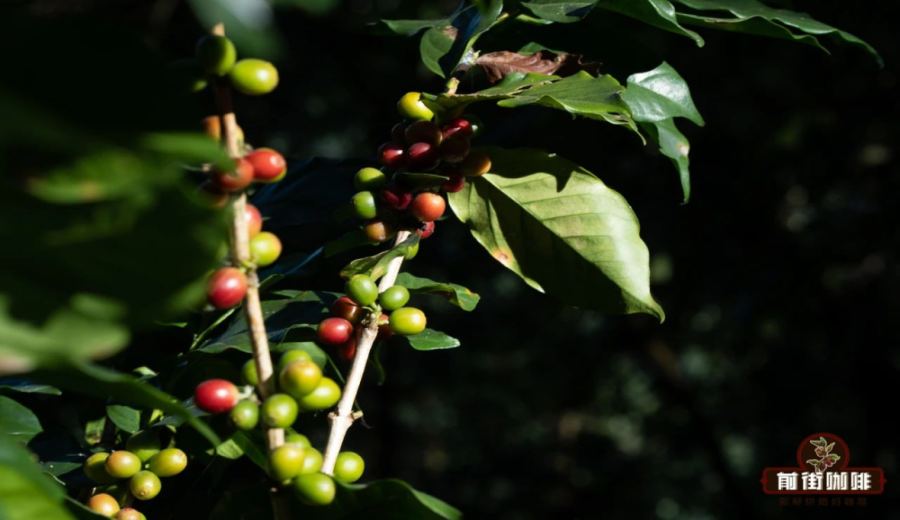
Introduction:From the planting of the first Typica tree in Zhukula Village in 1904 to the current dominance of Catimor as Yunnan’s primary coffee variety, the development of Yunnan’s small-bean coffee has been full of twists, turns, and adaptations. This article will delve into the evolution of its varieties, the characteristics of its main producing regions, and the impact of different processing methods on flavor. It also includes detailed cupping notes and pour over recommendations for two classic Yunnan beans to help you fully appreciate the charm of this native Chinese coffee.
As an important coffee-producing region in China, Yunnan’s representative “small-bean coffee” has always attracted much attention. Since 1904, when French missionary Timothée Tardif planted the first coffee tree in Zhukula Village, Binchuan County, the coffee story of this land has spanned more than a century. The initially introduced variety was Typica, also known as the small-bean coffee, which belongs to the Arabica species and is named for its relatively small beans. Over time, to combat diseases and increase yields, Catimor gradually replaced Typica to become the dominant coffee variety in Yunnan today.
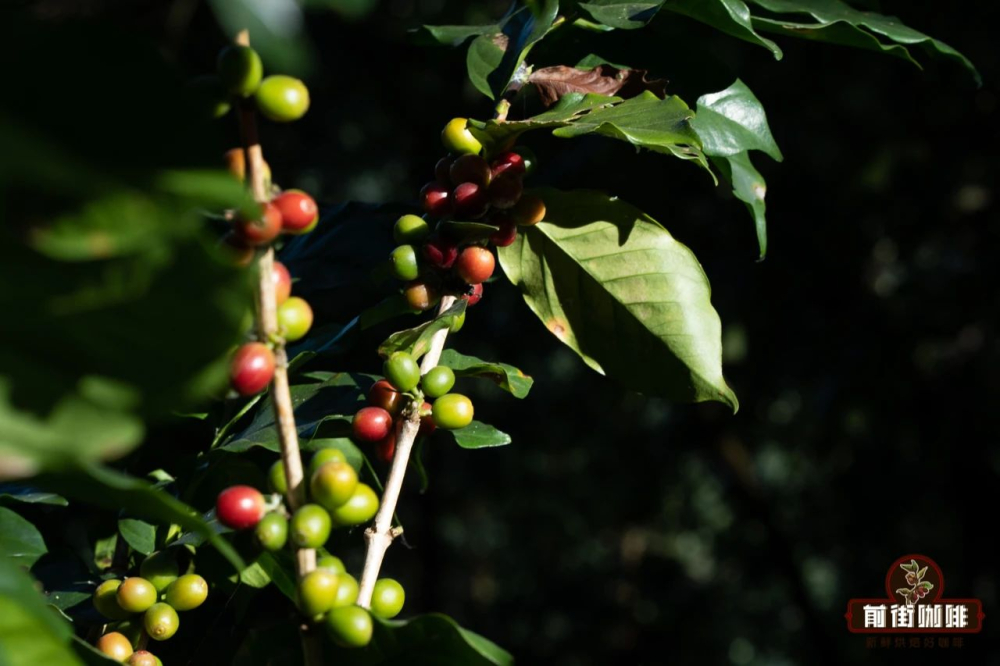
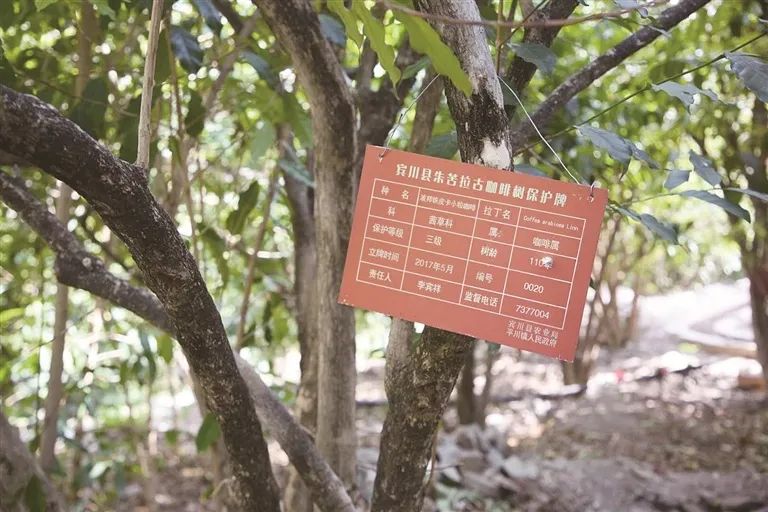
Zhukula Village is hailed as the birthplace of Chinese coffee. The village still preserves the coffee trees planted by Father Tardif back then, with 24 of the century-old trees still bearing fruit. These ancient coffee trees are not only witnesses to history, but their flavors also carry traces of the early establishment of coffee in China. However, due to its remote location and inconvenient transportation, Zhukula coffee is mostly circulated as roasted beans and related products. It has also gradually developed into a pilgrimage site for coffee enthusiasts, especially suitable for visiting during the dry season.
To gain a deeper understanding of the modern Yunnan coffee industry, it is recommended to start with Pu’er. Pu’er is not only the region with the highest coffee production in Yunnan, but also a key procurement hub for international brands such as Nestlé and Starbucks. With a well-developed transportation network, mature supporting facilities, and diverse coffee experience venues, both beginners and professional buyers can find the resources they need here. The area is also home to major institutions such as the Yunnan Coffee Exchange and the Nestlé Coffee Center, serving as a window into the dynamics and technological advancements of the producing region.
Baoshan, on the other hand, presents a distinctly different coffee profile. Since 1955, the Lugujiangba area has been engaged in large-scale coffee cultivation and has been an important spot for many early specialty coffee buyers searching for beans. Compared to Pu’er, coffee cultivation in Baoshan is closer to nature, with many farms surrounded by coffee trees in their courtyards. In addition to local growers, there are also many coffee professionals from Taiwan and other regions who have settled here, forming a small yet refined estate culture. Moreover, Baoshan remains one of the few places where traditional varieties such as Typica and Bourbon can still be found, making it highly appealing to coffee lovers seeking original flavors.
When discussing the varietal evolution of Yunnan’s small-bean coffee, one must mention Typica and Catimor. As the earliest cultivated variety, Typica possesses unique flavor characteristics, but it is weak in disease resistance—especially susceptible to leaf rust—and has relatively low yields, making it increasingly unable to meet the needs of large-scale cultivation. Thus, Catimor emerged. Catimor is a hybrid of Typica (Arabica) and Robusta-derived Timor, containing about 25% Robusta genes. It not only significantly improves disease resistance and increases yield and bean oil content but also retains some of the original flavor traits of Typica. For this reason, Catimor quickly became the mainstream variety in Yunnan, and the vast majority of “Yunnan small-bean coffee” on the market today is actually Catimor.
The birth of Catimor can be traced back to 1959, when the Portuguese crossbred Brazil’s Bourbon mutation Caturra with Timor (which has Robusta lineage), successfully cultivating this new variety with both disease resistance and high-yield characteristics. Subsequently, with the promotion of international organizations, Catimor became the preferred variety in multiple coffee-growing regions for combating leaf rust. Yunnan’s altitude conditions generally range between 800 and 1800 meters, with the dry-hot valleys around 1100 meters being most suitable for its growth, where it can exhibit moderate acidity and sweetness, rich aroma, and a mellow mouthfeel.
Due to Yunnan’s rainy and highly variable climate, the washed processing method is widely adopted locally to ensure the stability of coffee quality. In the washed process, harvested coffee cherries are first sorted in water tanks to remove floaters and impurities. Then, a pulper is used to remove the outer skin and pulp. Through fermentation and washing steps, clean green coffee beans are ultimately obtained. This method helps reduce impurities and off-flavors, resulting in a clearer and more consistent final coffee expression.
Take the Typica produced in Baoshan as an example. This classic variety, after washed processing, often exhibits bright fruity acidity and rich layers. A well-known coffee brand’s “Yunnan · Flower and Fruit Mountain” beans are a representative example. Its cupping profile shows that it enters the palate with melon and herbal aromas, develops into nutty and milk chocolate tones in the mid-palate, and finishes with lively plum acidity and black tea undertones. The overall performance is balanced and varied. It is recommended to use a V60 filter, with water temperature controlled at 90°C, grind size at approximately 80% passing through a #20 sieve, a water-to-coffee ratio of 1:15, and a two-stage pouring method with medium-fine water flow to fully showcase its layers and aroma.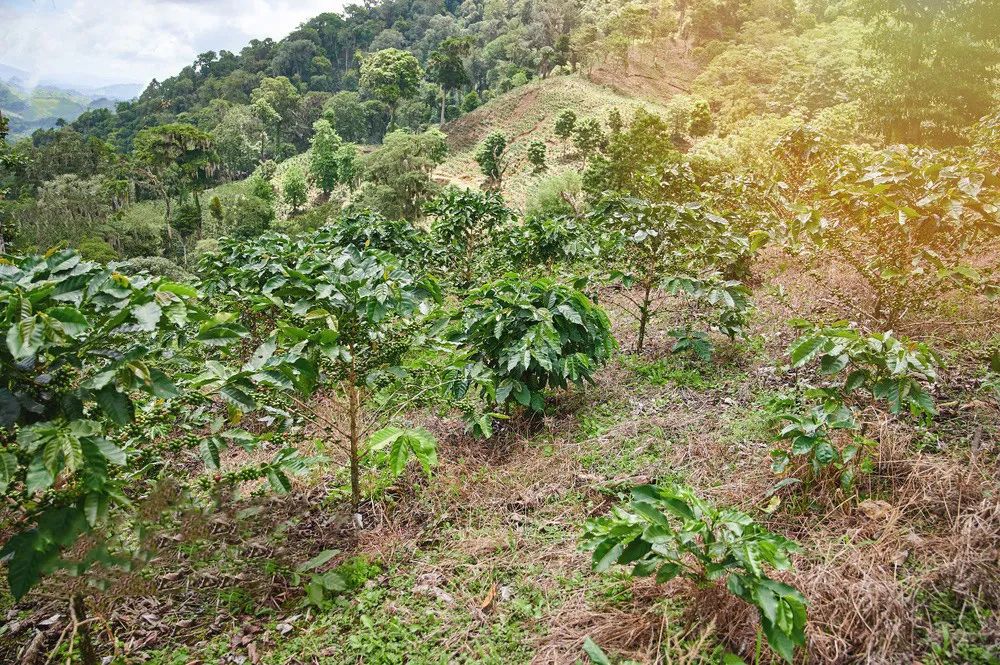
The above content is compiled by CoffeeHunters, a coffee news website.


