







Introduction:Pour over and Americano are two common yet distinctly different ways of enjoying coffee, differing greatly in extraction methods, equipment used, and flavor profiles. This article delves into the differences between the two, including the drip process of pour over, the preparation logic of Americano based on espresso, and explains key details such as bean variety selection, grind size, and extraction parameters. Whether you're just starting out or looking for a suitable daily brew, you can gain practical tips and bean selection guidance from this piece.
In the world of specialty coffee, pour over and espresso are the two mainstream brewing methods, and most coffee beans on the market are also designed with these two brewing styles in mind. Pour over extracts coffee flavors slowly through normal-pressure dripping, resulting in a clean and refreshing taste, similar to the experience of tea tasting; whereas espresso utilizes high pressure for rapid extraction, producing a rich and bold concentrated coffee liquid. The two methods not only differ in extraction principles but also exhibit distinctly different characteristics in bean variety preference, grind size, and the final flavor profile presented. This article, based on practical experience, will guide you through the core differences between pour over and Americano, covering everything from equipment selection and extraction parameters to the use logic of blends and single-origin beans, and sharing how our shop prepares hot and iced Americano to help you find the coffee brewing method that suits you best.
Currently in the market, pour over and espresso can be said to be the two most popular types of coffee brewing, and the development of most coffee beans also revolves around these two purposes. Their extraction mechanisms are entirely different: pour over is a normal-pressure dripping process, similar to brewing tea, which preserves the lighter and fresher characteristics of coffee; while espresso is extracted under high pressure, allowing water to quickly penetrate tightly packed coffee grounds under pressure, resulting in a relatively small volume of liquid but highly concentrated and intense flavors. Precisely because their principles are so fundamentally different, they each have their own dedicated logic when it comes to selecting coffee beans, setting grind size, and determining brewing parameters.
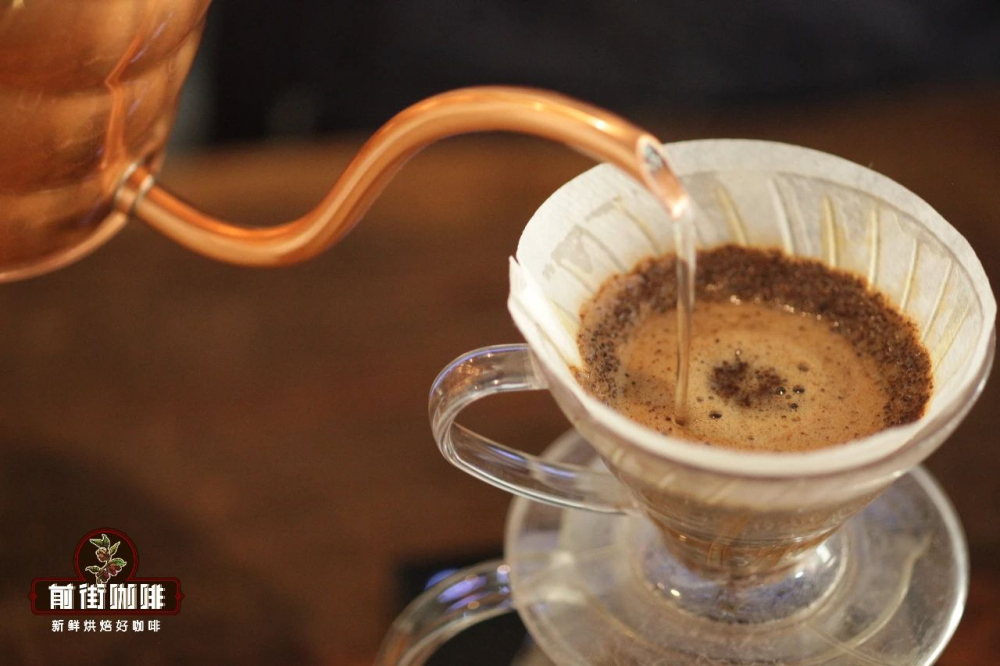
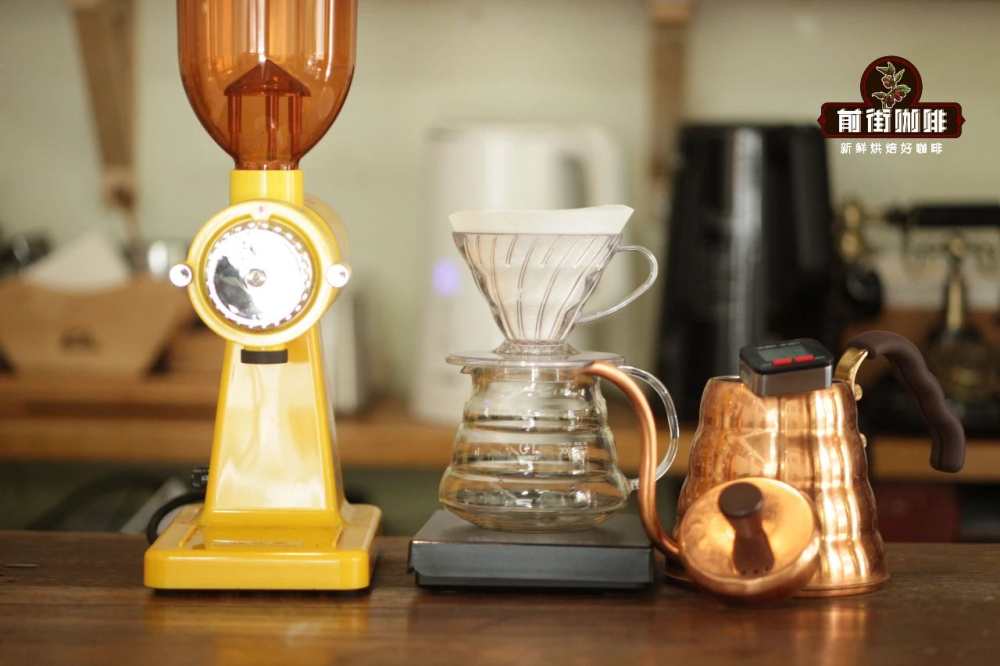
The basic method of making pour over coffee is to grind coffee beans into powder and then evenly pour hot water over the coffee bed, allowing the water to fully contact the coffee grounds and extract the soluble flavor compounds. During the process, with the help of a filter dripper and paper filter, the coffee grounds are kept at the top, letting only the clear coffee liquid drip down into the server below. Based on practical experience, to successfully complete a pour over, besides choosing high-quality coffee beans, it is recommended to prepare at least the following basic equipment: a pour over kettle for controlling water flow, a dripper and paper filter to hold the coffee grounds, a server to collect the coffee liquid, a grinder capable of precisely adjusting grind size, an electronic scale for convenient data recording, and a thermometer to manage water temperature.
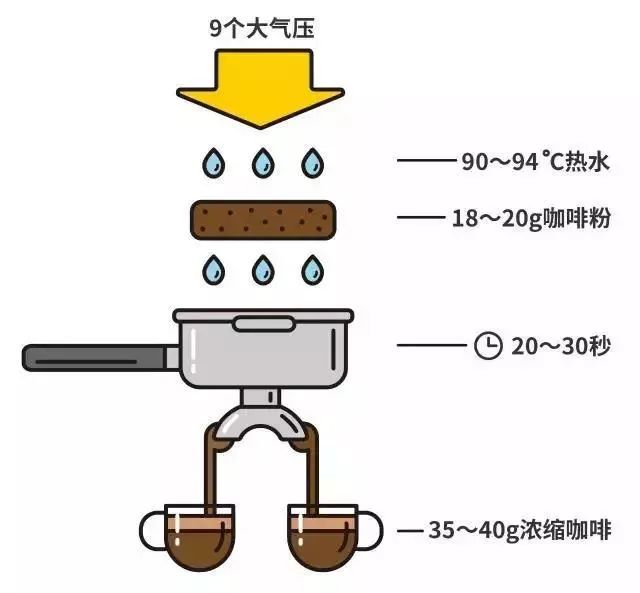
The drip extraction process usually takes several minutes and is relatively slow. In contrast, espresso aims to complete extraction in a short period of time by using high pressure and hot water vapor to rapidly push water through a compacted puck of coffee grounds, thereby significantly improving extraction efficiency. This technique has been refined over many years and has eventually evolved into the semi-automatic and fully automatic espresso machines we are familiar with today. When using an espresso machine, coffee beans need to be ground into an extremely fine powder, filled into a portafilter, and tamped into a compact puck. Then, the high pressure generated by the machine pushes hot water into the coffee layer to extract a rich shot of espresso. Since espresso has an intense flavor, it is usually diluted with hot water or mixed with milk to create common drinks such as Americano, latte, or cappuccino.
Although the operation process of espresso may seem uncomplicated, fully releasing the flavor compounds of the coffee within just a few dozen seconds requires an extremely fine and uniform grind size, posing a major challenge to both the quality of the coffee beans themselves and the barista’s technical skills. There are many factors that affect the flavor of espresso, including the quality of the coffee beans, roast level, grind size, water temperature, pressure, dose, tamping pressure, extraction time, and yield. In daily adjustments, focus is usually placed on four key factors: dose, extraction time, yield, and grind size. Since daily air humidity and the condition of the coffee beans may vary slightly, constant fine-tuning is required to achieve the ideal extraction performance.
On the shop's coffee menu, you can find nearly a hundred single-origin coffee beans from different growing regions, most of which are presented via pour over or cold drip methods; whereas for espresso, a house-blended “Sunflower Warm Sun Blend” is consistently used, offering a complex flavor profile of vanilla, cream, berries, caramel, and subtle fermentation notes. It is worth noting that if light-roasted, pour-over-friendly single-origin beans are directly used for espresso extraction under high pressure and an extremely fine grind, they can easily release overly concentrated flavors with bitterness, acidity, and astringency, negatively affecting the overall taste. Therefore, for the two different brewing methods of pour over and espresso, it is recommended to select beans specifically suited for each.
The greatest charm of pour over coffee lies in its ability to fully showcase the regional characteristics and layered flavors of the coffee beans, allowing one to savor the most original aroma of black coffee. For beginner coffee enthusiasts, it is recommended to start with cost-effective everyday beans, which not only allow you to try flavors from different regions at a more affordable price but also reduce material waste caused by improper operation.
The coffee menu specially features an everyday bean series, carefully selected from seven classic growing regions: washed Yirgacheffe from Ethiopia, washed Huehuetenango from Guatemala, washed Huila from Colombia, semi-washed Cerrado from Brazil, washed Tarrazú from Costa Rica, wet-hulled Mandheling from Indonesia, and washed Baoshan from Yunnan, China. These beans cover a variety of processing methods and varieties, allowing consumers to experience the unique flavors of different regions at an affordable price and are an excellent entry choice for finding personal preferences.
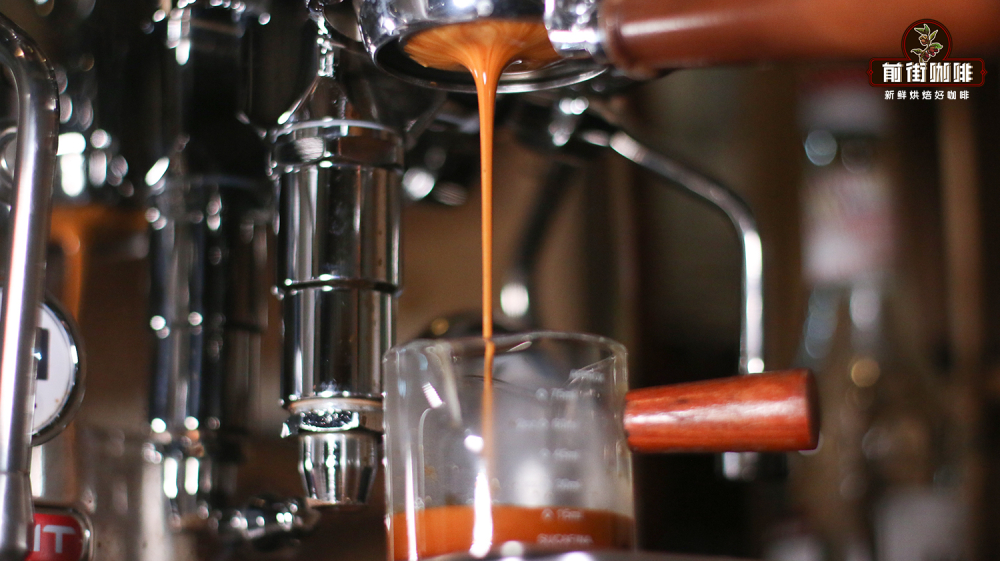
Espresso, on the other hand, is extracted under conditions of high water temperature, high pressure, and an extremely fine grind, concentrating various flavor compounds of the coffee into the shot, providing a stronger stimulation to the taste buds. Since coffee beans are agricultural products, their flavors can vary with climate, soil, and processing conditions—even beans from the same origin may show slight differences between batches. To ensure that every cup of espresso maintains a stable and balanced flavor, blends become a common solution, achieving harmony in flavor through the complementary characteristics of different beans. We recommend our classic espresso blend, which is rich in crema and boasts enticing aromas of chocolate, roasted nuts, and cream.
In the shop, Americano is made by first extracting espresso at a 1:2 coffee-to-water ratio—for example, using 20 grams of coffee grounds to extract 40 grams of espresso—and then diluting it to a suitable drinking strength. According to multiple tests, mixing 40 grams of espresso with 240 grams of 88°C hot water at a 1:6 ratio best highlights the aromatic characteristics of the Sunflower Warm Sun Blend, resulting in a standard cup of hot Americano.
As for iced Americano, hot water is replaced with 120 grams of ice cubes and 120 grams of room temperature water, and it is best enjoyed before the ice completely melts to experience the freshest sweet and sour taste. This method is also quite easy to drink even for those who don’t usually consume coffee, making it an excellent choice for summer or when you need a pick-me-up.
The above content is compiled by CoffeeHunters, a coffee news website.


