







Introduction:Yirgacheffe is one of Ethiopia’s most representative specialty coffee regions, where both washed and natural processing methods showcase uniquely captivating flavor profiles. This article delves into the origin background and processing differences of two coffees—Washed Gedi GT Cooperative from Yirgacheffe and Natural Hong樱桃 Konga—and details their distinct flavor expressions. It also provides practical pour over parameters and brewing tips to help coffee enthusiasts fully experience the charm of Yirgacheffe.
Ethiopia is hailed as the birthplace of coffee, with its diverse microclimates and high-altitude environments nurturing numerous specialty coffees with unique flavors. Among these regions, Yirgacheffe is renowned for its bright acidity and rich floral-fruity notes, with washed and natural processing methods being the most emblematic of the region’s essence. This article focuses on two beans from a well-known brand’s Yirgacheffe series—Washed Gedi GT Cooperative and Natural Hong樱桃 Konga—offering a comprehensive and practical Yirgacheffe flavor guide, covering origin stories, processing techniques, flavor characteristics, and actual pour over extraction parameters.
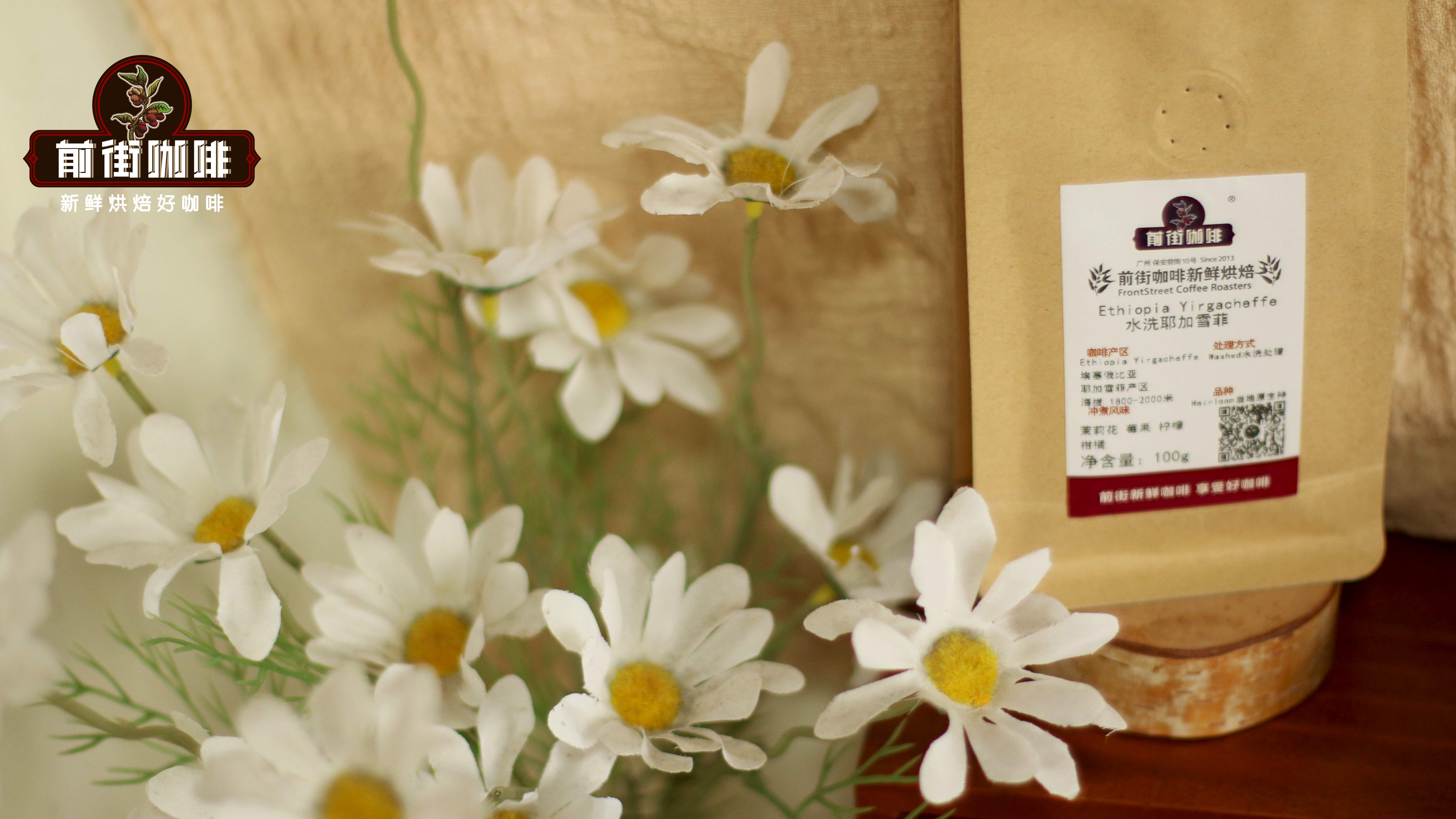
Ethiopia boasts the world’s richest coffee genetic repository and is considered a holy grail for many coffee enthusiasts. Among its many renowned regions, Yirgacheffe, Sidamo, and Guji are often mentioned, with Yirgacheffe particularly celebrated for its refreshing acidity and delicate floral notes. For novice coffee drinkers, choosing a medium-to-light roasted washed Yirgacheffe coffee bean not only allows them to experience bright citrus and floral tones but also makes it suitable for brewing via pour over, cold brew, or French press, serving as an excellent entry point into specialty coffee.
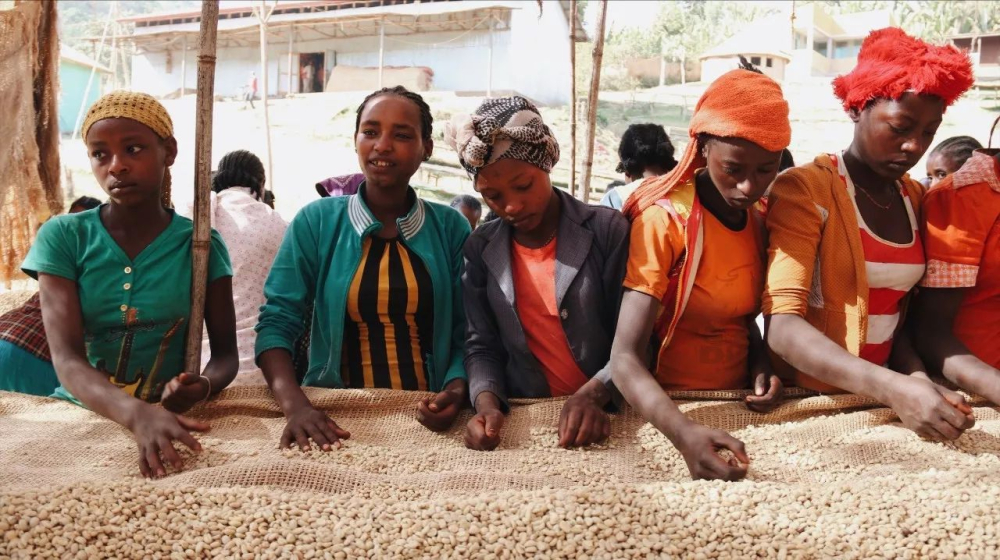
Ethiopia’s high-altitude terrain, significant diurnal temperature variations, and diverse soil conditions result in distinctly different flavor profiles even when coffee is processed similarly. Generally, local coffee is grown by smallholders on their own land, often intercropped with other crops, harvested, and then sent to nearby processing stations or cooperatives for unified processing, ultimately sold under the name of the processing factory or cooperative. For example, the renowned Gedi GT Cooperative originates from the Gedeo region and is a highly representative team of premium coffee producers in the area.
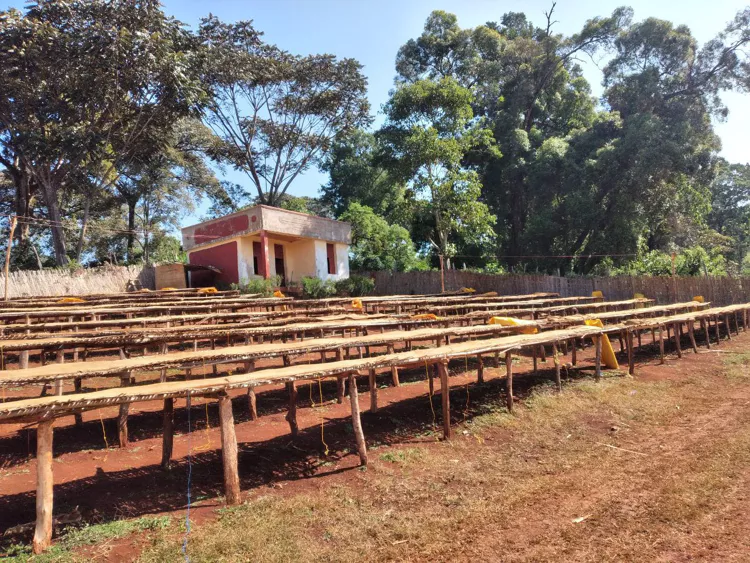
The Gedi GT Cooperative was originally part of the Worka Cooperative under the Yirgacheffe Coffee Farmers Cooperative Union (YCFCU) but became independently operated in 2012 after establishing its mature washed processing techniques. It has gradually built a reputation in the specialty coffee market. The introduction of washed processing was initially aimed at mitigating the earthy, fermented off-notes, or overly ripe fruit flavors that traditional natural processing might bring. Through rigorous selection, depulping, fermentation, washing, and raised-bed drying processes, the cooperative enables Yirgacheffe to exhibit clear, bright, and layered citrus, white floral, and tea-like characteristics, also contributing to the region’s independence from the Sidamo zone and its rise as a star in the specialty coffee map.
Compared to the clarity and delicacy of washed processing, natural processing enhances the intrinsic fruity and fermented layers of the coffee beans. Ethiopia’s abundant sunlight and moderate rainfall make it particularly suitable for concentrating the sugars and flavor compounds in coffee cherries through prolonged natural sun drying. The natural method typically involves spreading fully ripe red cherries directly to dry, allowing the sweetness and acidity from the pulp to slowly penetrate the seeds and develop richer tropical fruit, berry, and honey notes during fermentation.
A well-known brand’s Natural Hong樱桃 Konga coffee is made from 100% ripe red cherries, refined through more precise processing and temperature control techniques, enabling the coffee to fully express intense berry acidity and fermented layers during drying. Compared to the bright and clean profile of washed beans, natural Yirgacheffe usually presents a rounder mouthfeel, a fuller sweetness, and a black-tea-like finish, making it ideal for those who enjoy intense fruitiness and a rich texture.
Yirgacheffe coffee generally features high fruit acidity and complex floral notes, which is one reason it’s dubbed a “fruit bomb.” To fully highlight these characteristics, a well-known brand recommends medium-to-light roasting, which not only preserves the vibrancy of the acidity but also keeps the floral and citrus notes more lively. Whether washed or natural, as long as properly controlled, both can showcase the most captivating flavor traits of Yirgacheffe.
Below are cupping flavor descriptions of the two beans for reference:
Washed Gedi GT Cooperative:The dry aroma carries fresh acidity of passion fruit, citrus, and berries; after brewing, it exhibits bright citrus acidity, berry sweetness, paired with light almond and tea notes, and a sweet honey-like aftertaste. The overall body is low, the acidity is clean and refreshing, suitable for those who prefer a bright profile.
Natural Hong樱桃 Konga:The dry aroma is rich, with intense acidity and sweetness of berries and ripe fruits; as the temperature changes, you can perceive berry acidity, fruit fermentation layers, honey sweetness, and a black-tea-like soft finish, with a smooth mouthfeel and rich layers.
If you want to deeply experience the unique flavors of Yirgacheffe, pour over is the brewing method that best highlights its nuances. It is recommended to use freshly roasted coffee beans, with the optimal flavor window being within 4 to 45 days post-roast. A well-known brand’s Yirgacheffe beans are usually shipped within 5 days of roasting to ensure you receive them at their peak freshness.
Below are the recommended pour over parameters:
- Filter:V60
- Water temperature:92-93°C
- Coffee dosage:15g
- Coffee-to-water ratio:1:15 (recommended total water volume 225g)
- Grind size:Fine sugar size (approximately 78% passing through a #20 sieve)
Three-stage pouring recommendation:First, pour hot water equal to twice the coffee dosage (about 30g) for a 30-second bloom; then, using a small stream, circle from the inside out, pouring up to 125g for the first pour. Wait for the coffee bed to descend to the middle of the filter before pouring again with the same fine stream up to 225g to complete the extraction, with a total brewing time of about 2 minutes.
During the pour over process, you’ll gradually perceive the unique fruit notes of Yirgacheffe: the opening may feature the fragrance of honey and jasmine, followed by the gradual unfolding of berry and citrus flavors. Upon entering the mouth, bright lemon, green tea, and citrus acidity intertwine, transforming into a creamy, sugarcane, and berry aftertaste as the temperature cools. The overall performance is clean, balanced, and memorable.
The above content is compiled by CoffeeHunters, a coffee news website.


