








Introduction:The high altitude and volcanic soil of Costa Rica’s Tarrazú region give rise to the unique flavor profile of Geisha coffee beans. This article provides an in-depth analysis of two representative products — the washed Geisha from Finca Cielito and the raisin honey-processed Geisha from Finca Mirasol. From variety origins, microclimate differences, processing methods, roasting profiles, to hands-on V60 three-stage pour over brewing, it helps you master key techniques for enhancing sweetness and make the right choice based on your personal taste preferences.
As an important high-altitude specialty coffee region in Central America, Costa Rica’s Tarrazú area, with its fertile volcanic soil, stable rainfall, and suitable day-night temperature variations, is an ideal growing ground for the Geisha variety. Compared to other regions, Geisha from Tarrazú often exhibits clearer citrus acidity and floral-fruity sweetness, along with distinct layers of sweetness, making it a dream bean for many pour over enthusiasts.
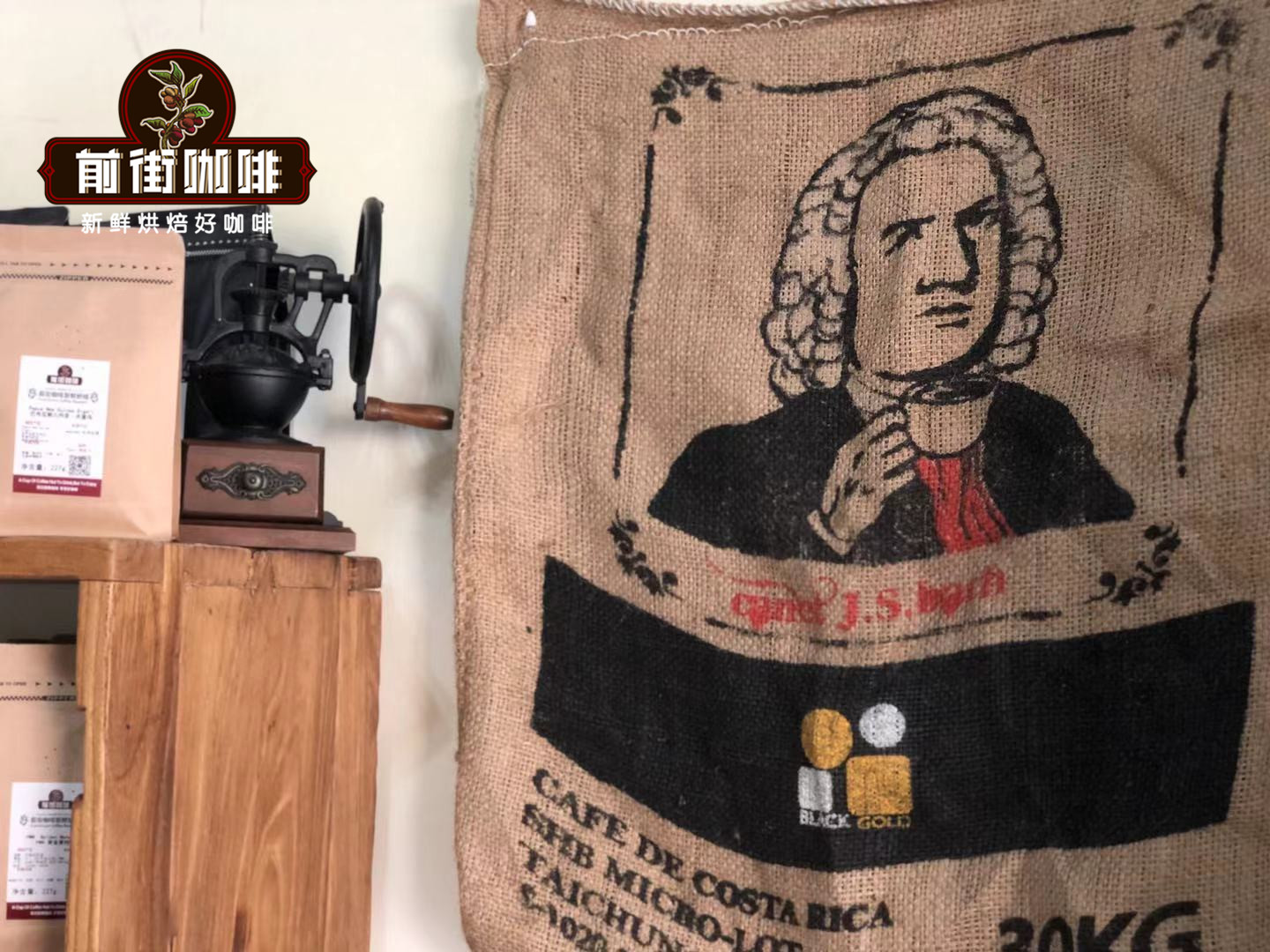
Geisha in Costa Rica originally comes from the wild coffee forests of Ethiopia and was later introduced to the international market via Panama. When this variety arrived in Costa Rica, it combined with the region’s unique microclimate and rigorous cultivation management, gradually developing localized flavor characteristics. Especially in Tarrazú, the high altitude slows down the ripening process of coffee cherries, aiding in the accumulation of flavor compounds and thereby enhancing sweetness and aroma complexity.
This article focuses on two highly representative Costa Rican Geisha products: the washed Geisha from Finca Cielito and the raisin honey-processed Geisha blend from Finca Mirasol. Though both originate from the same region, their different processing methods and varietal compositions result in distinctly different flavor profiles, particularly in terms of sweetness, which is well worth exploring.
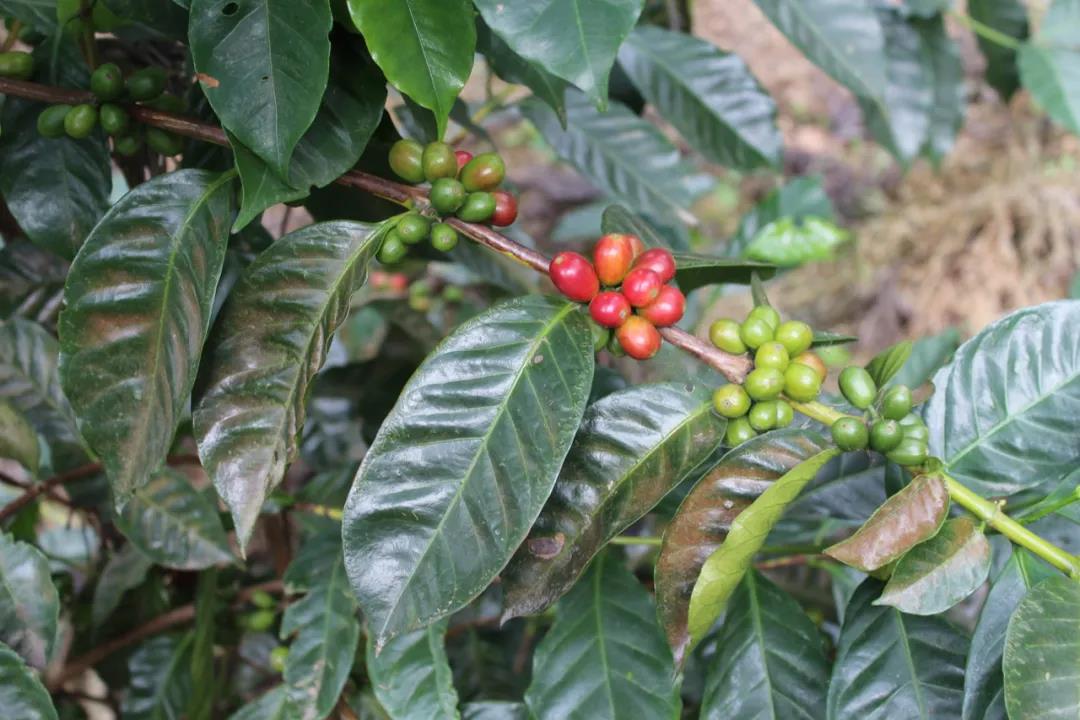
Let’s start with Finca Mirasol. Located at an altitude of about 1,700 meters, the farm’s name means “Overlooking Tarrazú.” Its microclimate and geographical environment have been meticulously planned by the farm owner, Esteban Sanches. With a professional background and great enthusiasm for experimenting with varieties and processing methods, Esteban has not only tried planting Ethiopian native varieties such as ET47 but has also personally built small-scale wet processing equipment. This Geisha blend from Mirasol actually combines four varieties: Geisha, ET47, SL28, and Maico. Among them, ET47 stands out for its intense fruity aroma, round acidity, and clean taste. Even though its pedigree is not fully disclosed, it doesn’t detract from its expressive charm.
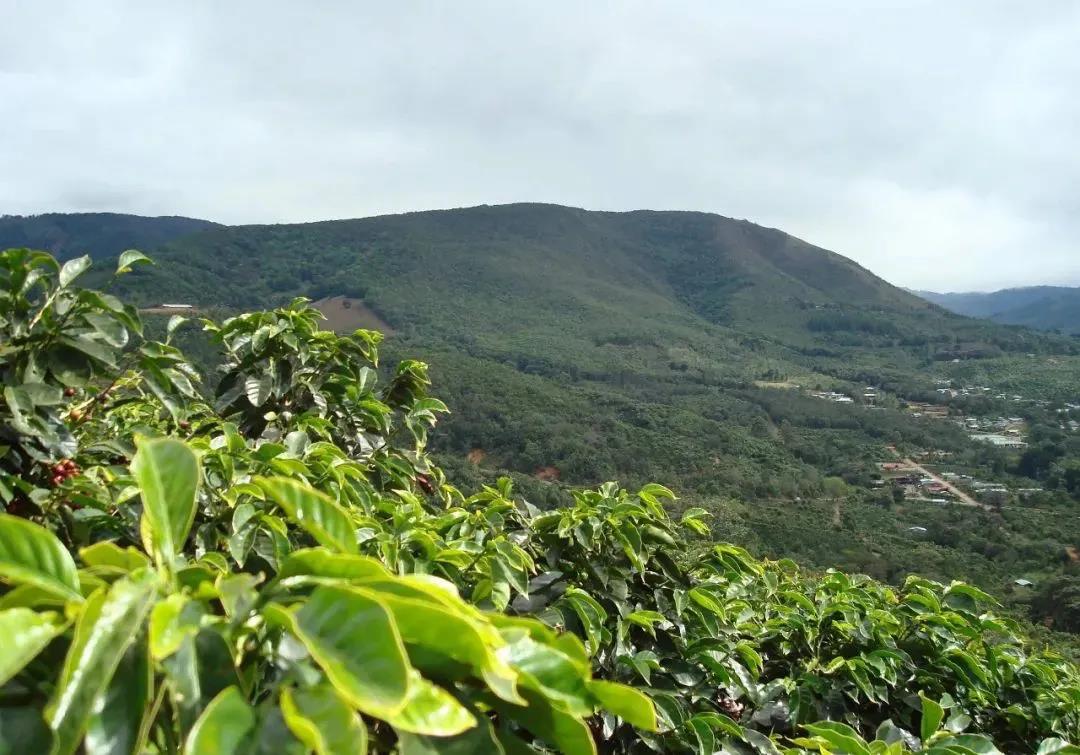
The other highlight, Finca Cielito, excels in washed processing. The name Cielito, meaning “little heaven” or “little star,” is inspired by the clusters of fireflies that hover in humid and densely vegetated environments at night, reflecting the farm’s high humidity and excellent shade conditions. Finca Cielito is also located in Tarrazú, at an altitude of 1,750 meters, with significant day-night temperature variations that help coffee cherries ripen slowly, further accumulating sugars and flavor precursors. This environment is particularly favorable for the Geisha variety, allowing it to develop more delicate citrus, floral notes, and a honey-like finish.
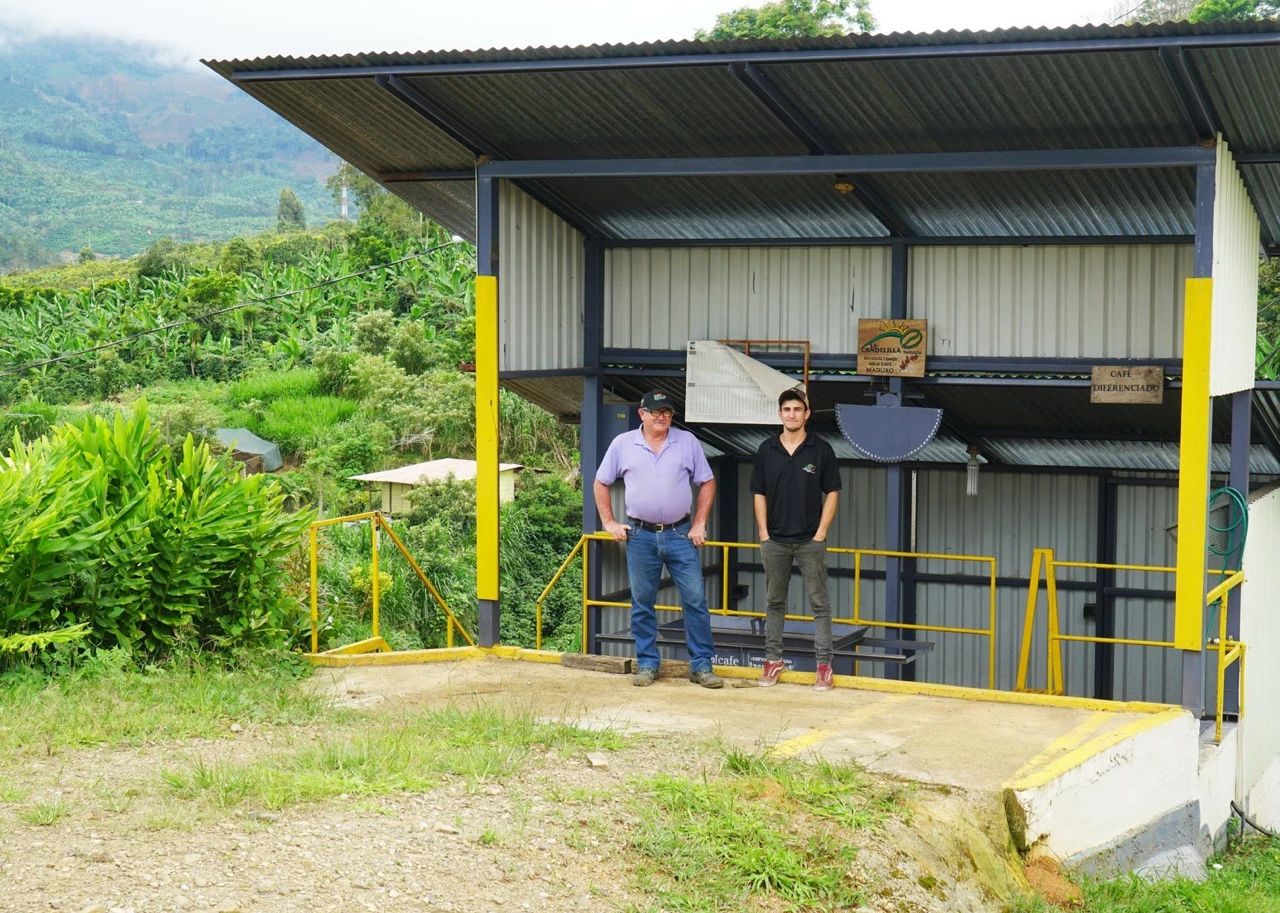
In terms of green bean processing, Finca Cielito opts for traditional washed processing to enhance the beans’ bright acidity and clear floral profile. The process includes: removing the fruit skin, fermenting in water tanks for about 24 hours to remove the mucilage, thoroughly washing with clean water, and finally drying to achieve a moisture content of around 12%. This method typically preserves sharper acidity while presenting sweetness with a fresh, clean quality.
In contrast, Finca Mirasol’s Geisha blend uses the raisin honey processing method. This technique involves removing the fruit skin while retaining the full mucilage layer, followed by sun drying with regular turning to ensure even drying. This method significantly boosts sweetness intensity and imparts rich fermented aromas reminiscent of dried fruits and honey. Cupping feedback indicates that this blend delivers exceptionally prominent sweetness with layered complexity, and a lingering aftertaste akin to gummy candy and caramel.
In roasting, both beans are medium-light roasted to preserve the original characteristics of the Geisha variety. The Mirasol Geisha blend is roasted in a Yangjia 800N roaster, preheated to 200°C and dropped in at 175°C. By precisely controlling the air damper and heat, first crack occurs at 10'25", and it is dropped at 193.5°C. The overall roast curve emphasizes a balance between fruity and sweet aromas. Finca Cielito drops the beans at 190°C after first crack starts at 8'30" with an entry temperature of 180°C, highlighting a fresh floral and citrus character.
For pour over brewing, it is recommended to
In actual cupping evaluations, the Mirasu Geisha blend exhibits intense jasmine floral notes, with a pronounced raisin-like sweetness and a berry soft-candy fruitiness on the palate, followed by a lingering nutty and creamy finish. The Xiaocandle Estate, on the other hand, showcases bright citrus acidity and delicate floral aromas, with a clean, honey-green-tea-like aftertaste that is refreshing and sweet. If you prefer a rich sweetness and complex fermentation layers, the Mirasu blend is the perfect choice; if you favor fresh floral and fruity notes with a softer sweetness, the Xiaocandle washed process will better suit your taste.
The above content is compiled by CoffeeHunters, a coffee news website.


