







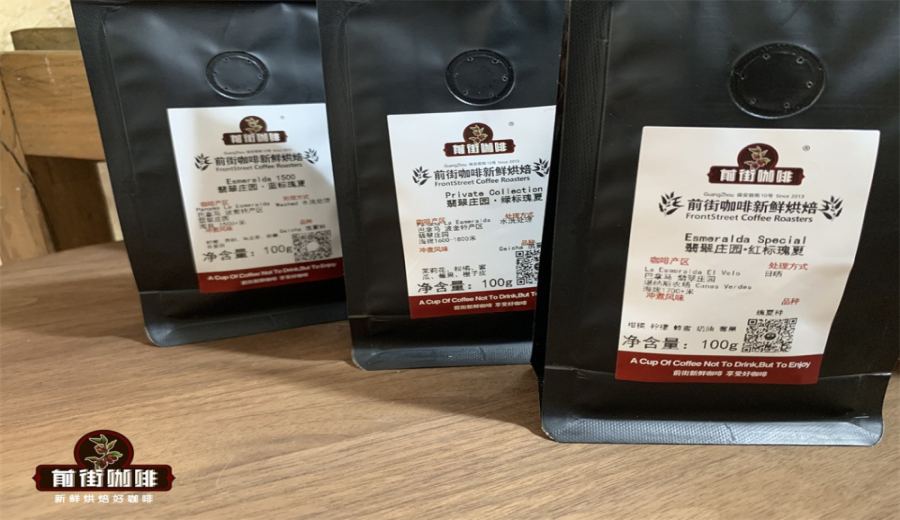
Introduction:Panamanian Geisha coffee, with its unique floral and fruity aroma and rare origin characteristics, has become a premium choice among coffee enthusiasts. But what’s the difference between Red Label and Green Label? Why is there such a huge price gap? This article starts from the origins of Geisha, analyzes the classification criteria of the three grades at Hacienda La Esmeralda, explores the reasons behind its high-end value, and provides practical pour-over recommendations and flavor insights to help you better appreciate the charm of this top-tier coffee bean.
In the world of specialty coffee, Panamanian Geisha is nothing short of legendary. This coffee often surprises the market with its high price and exceptional flavor, but many consumers are left puzzled when faced with grades like Red Label, Green Label, or even Blue Label. What exactly differentiates them? Why can some Geisha beans fetch sky-high prices at auction, while others are relatively more affordable? This article will take you through the journey of Geisha—from its origins in Ethiopia, to its rise to fame in Panama, and now to its status as one of the most sought-after coffees in the specialty coffee scene. We’ll also explain in detail the differences between the Red Label and Green Label grades, their flavor profiles, and the brewing methods that best suit them.
When it comes to Geisha, one cannot overlook the 2004 “Best of Panama” (BOP) competition. That year, Hacienda La Esmeralda first entered a coffee made from an ancient Ethiopian variety called T2722 under the name “Geisha.” This coffee exhibited an unprecedentedly clean taste and complex layers, featuring intense white floral notes, citrus, berries, and tropical fruit tones, which amazed the judges and ultimately won the championship, propelling Geisha to fame overnight. Since then, Panamanian Geisha has not only become a star at coffee auctions, but its price has also continued to soar, making it one of the most expensive coffees in the world to this day.
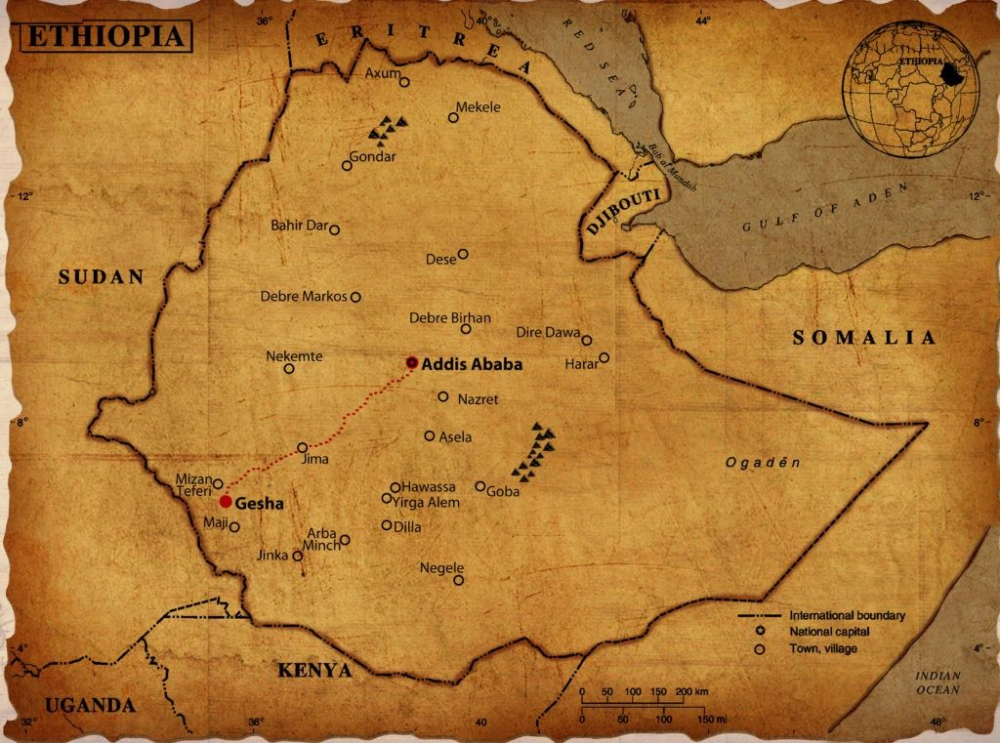
Geisha is actually not native to Panama. As early as 1931, it was first discovered in the Kaffa forests of southern Ethiopia, where it was primarily sought as a disease-resistant variety and named after the nearby Geisha Mountain. Subsequently, the variety was introduced to countries such as Kenya, Uganda, Tanzania, and Costa Rica, but due to its delicate plants, low yield, and unremarkable flavors when grown at lower altitudes, it remained largely overlooked. It wasn’t until the 1960s that Panamanian farmers obtained T2722 seeds through CATIE (Centro Agronómico Tropical de Investigación y Enseñanza) and finally established Geisha in Panama.
However, what truly brought Geisha into the spotlight was Hacienda La Esmeralda. Located in Panama’s Boquete region, the estate enjoys a uniquely advantageous high-altitude environment. In the 1990s, the estate owner, Daniel Peterson, discovered that in their high-altitude fields, Geisha exhibited remarkable resistance to leaf rust and developed exceptionally unique and captivating flavors under high altitude and cloudy conditions. As a result, they began concentrating their resources on planting Geisha in high-altitude areas such as Jaramillo and Cañas Verdes, while gradually improving cultivation and post-harvest processing techniques.
By 2003, Hacienda La Esmeralda conducted its first cupping sessions for Geisha, revealing an intense floral aroma, clean acidity, and bright fruity notes—especially the flavors of lemon, citrus, and bergamot—which left a deep impression. The following year, they entered this coffee into the BOP competition and won the championship, thereby establishing its status as the “king of coffee.” The variety, once known as T2722, gradually became what we now know as Panamanian Geisha, thanks to its original entry under the name “Geisha.”
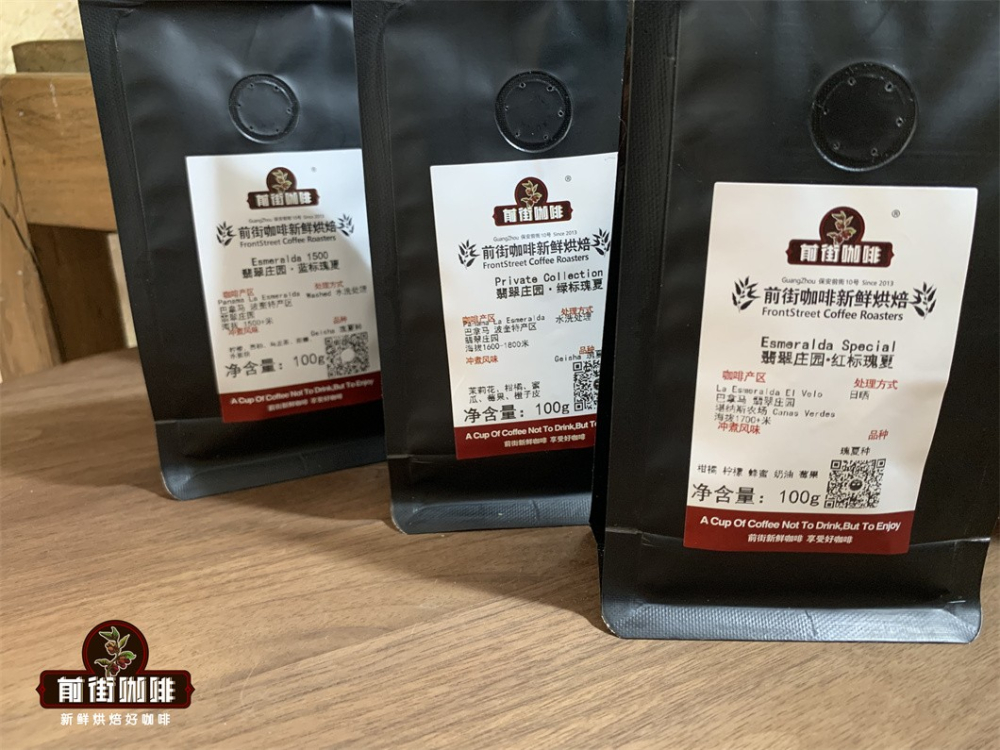
Currently, Hacienda La Esmeralda classifies its Geisha coffee into three major grades based on growing area, cupping score, and processing method: Red Label, Green Label, and the former Blue Label (now called Las Rocas Volcanic Geisha). Among them,Red Label Geishabelongs to the highest grade, limited to exceptional lots from the Jaramillo and Cañas Verdes farms, grown at altitudes of approximately 1600 to 1800 meters and scoring over 90 points in cupping. These coffees are typically auctioned independently, such as in the well-known BOP auction, with the Mario lot being a classic example. Red Label Geisha is usually processed using the natural (sun-dried) method, showcasing rich notes of honey, citrus, roses, cream, and complex fruits. Its flavors are intense and multi-layered.
Green Label Geishais a step down in grade, though still sourced from Jaramillo and Cañas Verdes,without disclosing specific farm informationand not participating in auctions. This type of Geisha is usually washed-processed, and while its flavors may not be as complex as those of Red Label, it still retains the classic bright acidity and fruity profile of Geisha, such as lemon, berry, pomelo, and Tieguanyin tea notes. It suits coffee lovers who prefer a refreshing taste. Green Label is generally more affordable than Red Label and is often the first choice for those new to Geisha.
As for the former Blue Label (now renamed Las Rocas Volcanic Geisha), it comes from lower-altitude areas or other Geisha beans that do not meet the criteria for Red or Green Label. Though still of certain quality, its overall performance and flavor intensity are relatively weaker, and it is usually enjoyed as an everyday coffee or an introductory experience.
The reason Geisha is so precious lies not only in its unique flavors but also in the high difficulty of cultivation. Geisha coffee trees have thin leaves with poor photosynthesis efficiency and underdeveloped root systems that absorb water and nutrients slowly, resulting in extremely low yields. Moreover, it is highly demanding of its environment, requiring high altitude, cloud cover, fertile and well-drained soil, and protection from direct strong sunlight during the growth period. Therefore, it needs careful management and the protection of shade trees. For these reasons, Geisha has an extremely low yield per unit, and its cultivation is limited to high-altitude regions, leading to high production costs that further drive up its market price.
If you’d like to experience the charm of Green Label Geisha at home, here is a set of practical and professional pour-over recommendations: use a V60 dripper, control the water temperature at 91–92°C, use 15 grams of coffee grounds, and aim for a 1:15 coffee-to-water ratio. Grind size should be about the size of fine sugar, and you can sift through a #20 sieve to achieve about 80% fine particles. During brewing, it is recommended to use a three-stage pouring method: start with 30 grams of water for a 30-second bloom, followed by pouring 95 grams of hot water. Once the coffee bed has settled halfway, pour the final 100 grams of water. Maintain a gentle flow and consistent circular pouring to avoid over-concentration that could lead to uneven extraction. After brewing, let it sit briefly and gently swirl before enjoying.
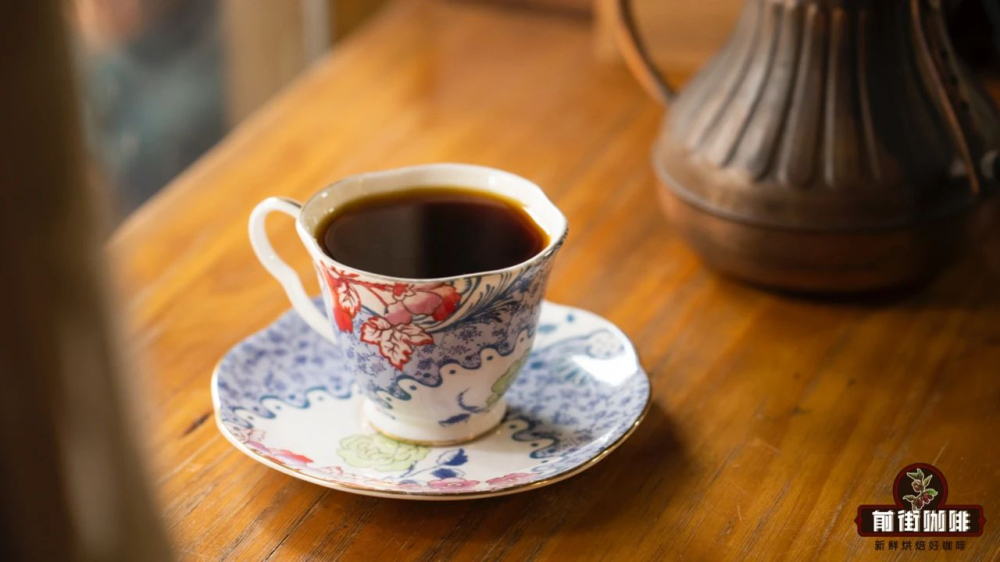
The pour-over flavor profile of Green Label Geisha is quite captivating. Upon tasting, you’ll notice a bright lemony acidity and delicate jasmine floral notes. As the temperature drops, the sweet and sour interplay becomes lively, reminiscent of berry juice, with a clean green tea-like finish. The overall experience is rich in layers, smooth in texture, and long in aftertaste—perfect for savoring in the morning or afternoon.
The above content is compiled by CoffeeHunters, a coffee news website.


