








Introduction:Cold brew coffee is widely loved for its low-temperature slow extraction and refreshing flavor profile, but did you know that the steeping duration can significantly impact the final taste? This article provides a detailed analysis of how cold brews with steeping times of 4, 12, and 24 hours differ in acidity, sweetness, complexity, and intensity, and also recommends coffee beans well-suited for cold brewing to help you adjust your extraction strategy based on personal taste preferences.
Cold brew coffee (Cold Brew Coffee) is one of the most popular coffee brewing methods in recent years. Its defining feature is the long-term immersion of coffee grounds in cold water, extracting flavors slowly in a low-temperature environment to deliver a beverage that is low in acidity, smooth, and rich in flavor. Although the steps are simple, the choice of steeping time is a key factor influencing flavor performance.
Common steeping durations range from 4 to 24 hours, and different times yield distinctly different taste and aroma profiles. This article will conduct an in-depth analysis of three main cold brew durations—4, 12, and 24 hours—to help you find the extraction method that suits you best.
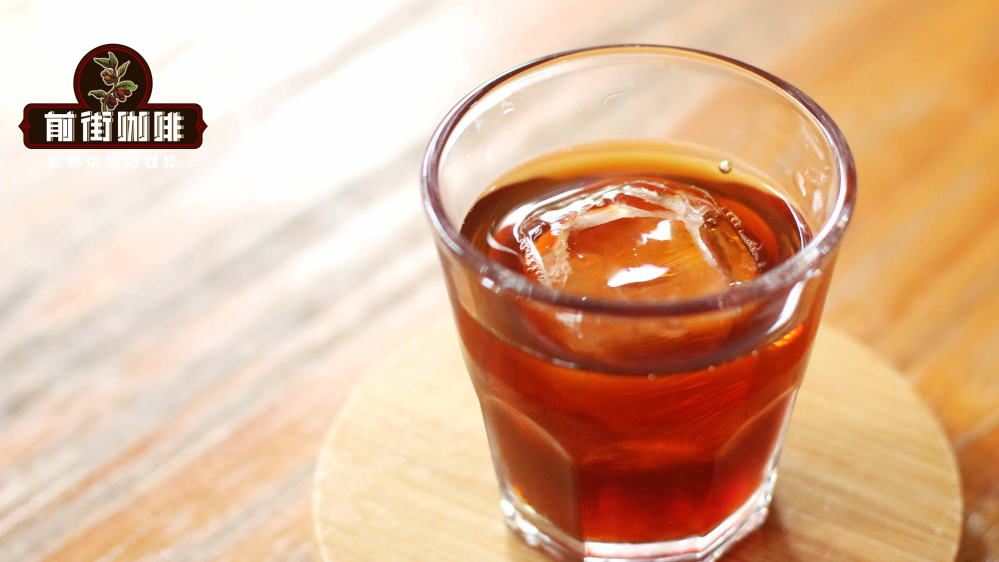
The basic method of making cold brew is to mix medium-ground coffee powder with cold water, then let it sit in the refrigerator for at least 12 hours to allow the flavor compounds to fully release before filtering. A common coffee-to-water ratio ranges between 1:12 and 1:16, which can be fine-tuned according to personal preference to control strength. It is recommended to use a coarse grind, similar to that of a French press, to help avoid over-extraction and maintain a smooth mouthfeel.
Many people believe that the longer the steeping time, the richer and tastier the coffee, but this is not necessarily the case. Overly long extraction times may lead to excessive flavor release or even over-extracted off-notes. Generally, cold brew time is recommended to be kept between 12 to 24 hours—too short results in insufficient flavor, while too long may affect overall balance.
In practical tests, the 4-hour cold brew generally presents a lighter profile, with pronounced acidity and a refreshing citrus note, but the flavor layers are relatively thin. It is suitable for those who prefer a clean and refreshing taste. At this point, extraction efficiency is relatively low, and the body of the coffee may feel slightly lacking, but the aroma remains well-preserved, making it ideal for those seeking a light drinking experience.
Extending the steeping time to 8 hours, although not the focus of this analysis, has already received feedback from many users indicating that coffee at this stage shows a more balanced acidity and sweetness, with fruit notes beginning to emerge and a smoother mouthfeel. If you wish to explore more diverse variations, you might also include 8 hours in your testing range.
When the steeping time reaches12 hours, the performance of cold brew coffee is usually the most balanced. This duration can fully extract the fruity acidity and sweetness of the coffee, along with a moderate level of bitterness for support, resulting in a flavor profile with clear layers—from the bright, tangy acidity upon entry, to the rich body in the middle, and finally the nutty aftertaste in the finish. The transitions are natural. For most users, 12 hours is an ideal choice offering both flavor and strength.
If you prefer a richer and more complex taste, you might try24 hoursof long steeping. This duration allows for the full extraction of various flavor compounds in the coffee, including some more stubborn molecules that are harder to release, resulting in a more aromatic and full-bodied cup. However, at this point the acidity is less pronounced, with stronger bitter-sweet notes, and there is a higher risk of over-extraction. It is recommended to use high-quality coffee beans with a moderate roast level to achieve the best results.
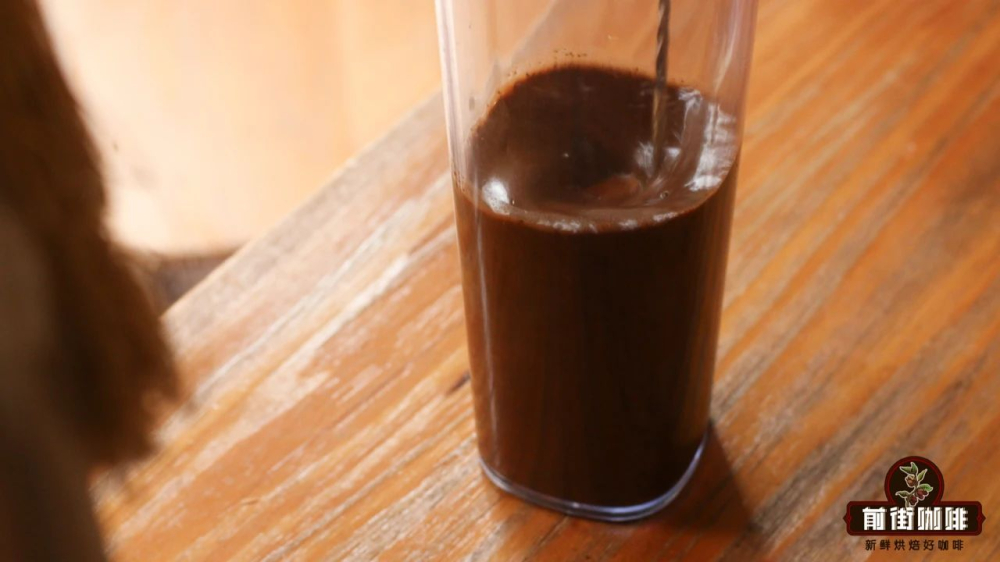
Overall, there is no absolute standard for cold brew steeping time—it depends on personal preference. If you enjoy a fresh, bright acidity, 4 to 8 hours are good options; if you’re aiming for balanced and layered flavors, 12 hours is usually the top choice; and 24 hours is suitable for those who prefer a bold, fermentation-forward cup.
When selecting coffee beans, it is recommended to prioritize medium to light roasts. These beans typically feature bright acidity and rich fruity aromas, complementing the characteristics of cold brew extraction. For example, washed Yirgacheffe or natural Hua Kui can showcase the unique freshness and layering of cold brew coffee. If you prefer a sweeter, juice-like flavor, you might also try beans with special processing methods such as Strawberry Candy or Mozart.
For those who do not prefer strong acidity, medium to dark roasted beans or those with more stable processing can be chosen, such as Papua New Guinea’s Bird of Paradise or Costa Rica’s Tarrazu. These beans often present a solid coffee foundation and a full body, making them suitable for producing cold brews with balanced flavors.
In summary, the charm of cold brew coffee lies in its versatile flavor potential. By mastering grind size, coffee-to-water ratio, and steeping time, you can tailor your cup to your taste preferences. Whether you prefer a clean and subtle profile or a rich and bold one, choosing the right steeping duration lets you enjoy the unique appeal of cold brew coffee.
The above content is compiled by CoffeeHunters, a coffee news website.


