







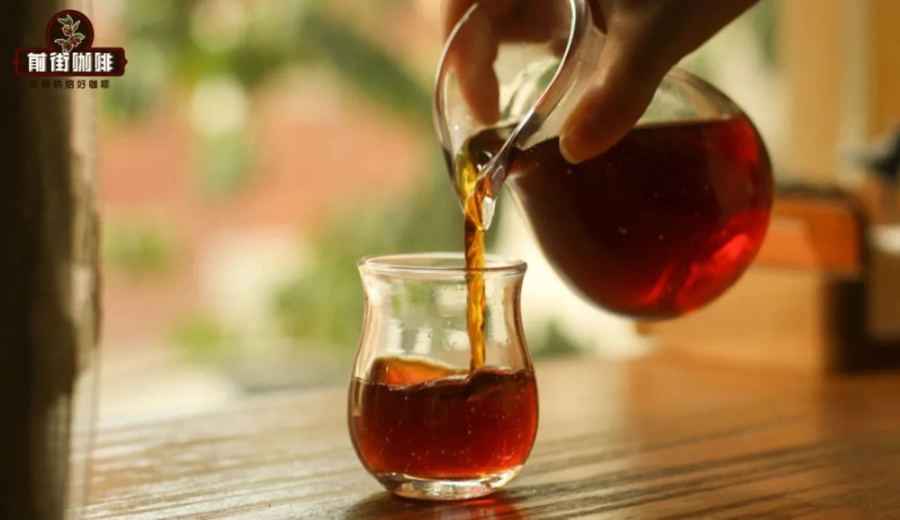
Introduction:Hua Kui coffee is beloved by many pour over enthusiasts for its vibrant citrus and berry aromas, as well as its juicy balance of acidity and sweetness. This natural-processed bean from Ethiopia’s Guji Hambella region has garnered widespread attention since making its debut in 2017. This article delves into its regional background, varietal characteristics, and processing methods, and offers practical pour over recommendations to help you fully appreciate the unique charm of this specialty coffee.
In recent years, coffees with bright acidity and lively aromas have become increasingly popular. Among them, a natural-processed Ethiopian bean—Hua Kui—has captured the hearts of many coffee lovers with its rich citrus and berry notes and juice-like sweet-tart flavor profile. Since its meteoric rise in 2017, this coffee bean has become a prized addition to the collections of many specialty coffee shops and pour over enthusiasts.
The rise of Hua Kui is closely tied to that year’s TOH (Taste of Harvest), Ethiopia’s national cupping competition during the harvest season. A natural lot from the Buku Abel washing station stood out with its intense strawberry and cream aromas, taking home the championship. In the same year, during the China Barista Championship regional competitions, a barista used this bean to defeat other strong contenders, including the renowned Geisha variety, drawing widespread market attention. Its performance was later deemed comparable to Panama’s Geisha, leading to its naming as “Hua Kui,” meaning “the foremost flower” or “queen of flowers,” with the region name “Hambella” adopted as its English name.
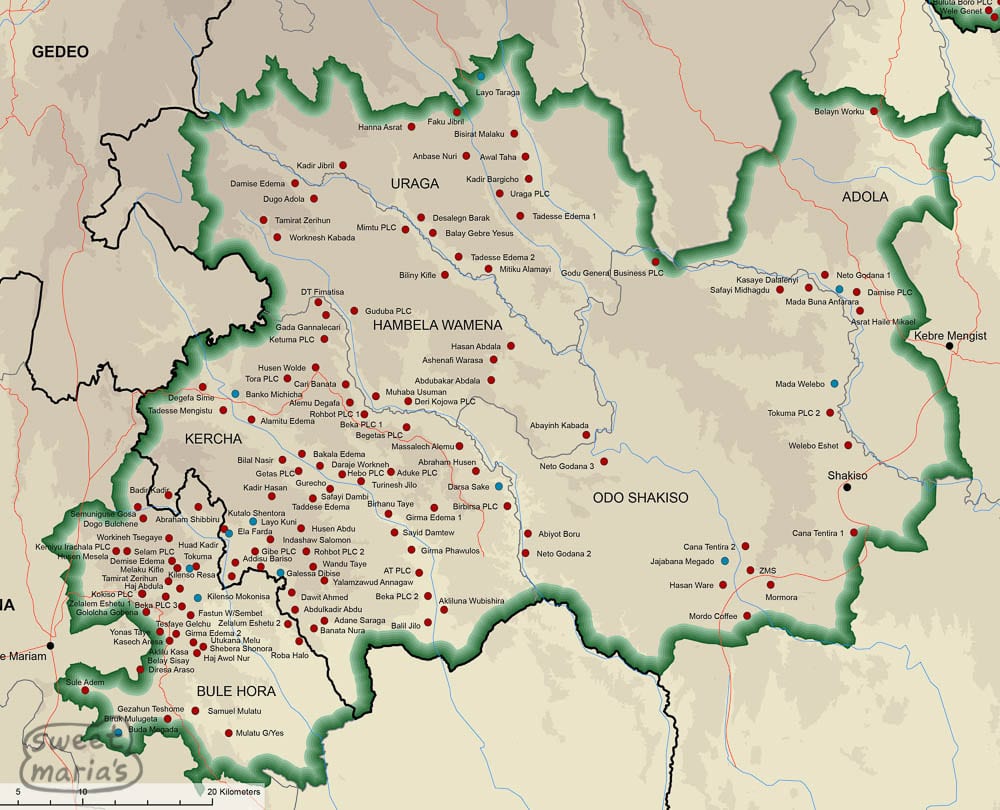
Hua Kui originates from the Guji zone in southern Ethiopia. This area was formerly part of Sidamo but was later administratively separated due to its unique geographical conditions and distinctive flavor profiles. Guji features high altitudes and fertile black soil, with elevations generally above 1,800 meters, and some microclimates even exceeding 2,200 meters. These conditions provide an ideal growing environment for coffee and contribute to its unique depth of flavor.
More specifically, Hua Kui comes from the Hambella sub-region within Guji, which hosts multiple washing stations. This particular bean is produced at the local Buku washing station. Hambella is actually a farm under the METAD Agricultural Development company, founded in 2013 by Ethiopian national Aman Adinew, who is dedicated to modernizing the local coffee industry. The farm spans 200 hectares and is equipped with professional processing facilities. It not only benefits from a well-managed system but also combines fertile volcanic soils with organic farming practices, giving the coffee produced here exceptional quality potential.
In terms of processing, Hua Kui employs a classic natural (sun-dried) method. During the annual coffee harvest season (around December to January), the Buku washing station selects only fully ripe, red coffee cherries with a sugar content of 30 or higher to ensure sufficient flavor intensity. These cherries are then spread out on African raised beds for an extended drying period of approximately 18 days. To control fermentation and prevent over-drying, the station partially shades the cherries during the day and covers them with rainproof tarps at night, while consistently turning the cherries to ensure even drying. The final moisture content is stabilized at around 13% before packaging and storage.
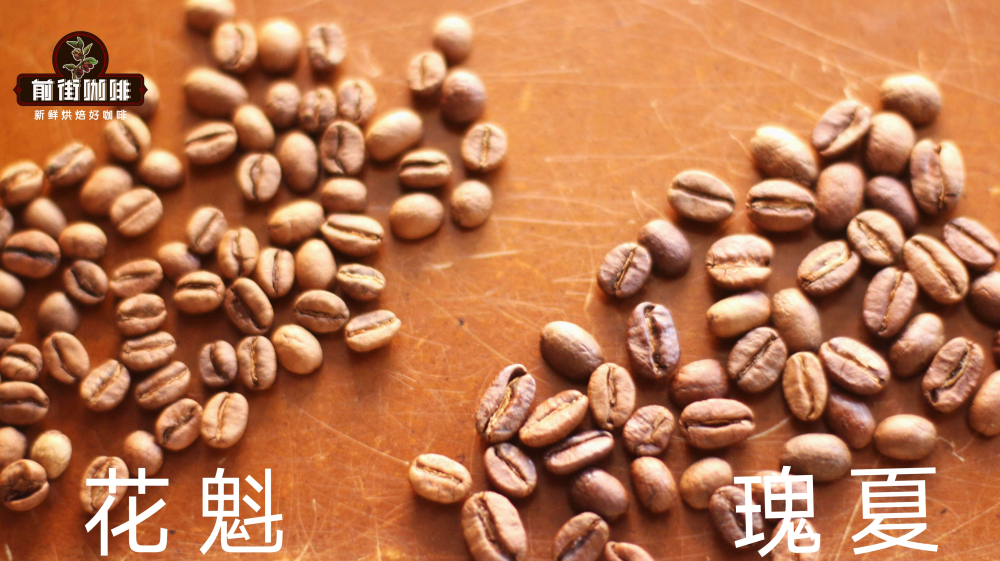
When it comes to the varietal, many wonder exactly what coffee plant variety Hua Kui uses? In fact, Ethiopia boasts the world’s richest coffee genetic resource pool, with highly diverse and not yet fully classified varieties, which are therefore commonly referred to as Heirloom native varieties. Due to government restrictions on disclosing detailed varietal information, Ethiopian beans on the market are mostly generically labeled as “native variety.” This is also why these beans often vary widely in size and shape.
Although DW Company later released multiple lots processed by different stations—including “Buku Abel,” “Buku Saysay,” “Haro Soresa,” and “Tirtiro Goye”—only the natural lots from “Buku Abel” can be rightfully called “Hua Kui.” Its naming also follows a yearly sequence, such as “Hua Kui 2.0” in 2018, “Hua Kui 3.0” in 2019, and “Hua Kui 5.0” in 2021. Currently, the most commonly available and widely praised version is “Hua Kui 5.0.”
Here are the basic details of this bean: the region is Guji in Sidamo, elevation between 2,250 and 2,350 meters, variety is local Heirloom native, processing method is natural (sun-dried). The overall flavor profile showcases intense tropical fruit, berry, and citrus notes, with a full body and layered complexity.
If you wish to brew Hua Kui at home using the pour over method to bring out its optimal flavors, here are some practical parameter suggestions. First, it is recommended to use freshly roasted coffee beans, with the best flavor window being 4 to 30 days post-roast. When you first receive the beans, they have typically already rested for 4–7 days, making it an ideal time for brewing.
The recommended grind size is medium-fine, roughly 80% through a #20 standard sieve, and can be used with a V60 dripper. Water temperature should be controlled at 92°C, with a recommended coffee-to-water ratio of 1:15. For example, with 15 grams of coffee, the total water volume would be 225 grams. The pour is divided into three phases: begin with a small amount of hot water (about twice the coffee weight) for a 30-second bloom, then pour up to 125 grams for the first pour. Once the coffee bed has settled to the middle of the dripper, continue pouring to 225 grams to complete extraction, with the total brew time kept to around 2 minutes.
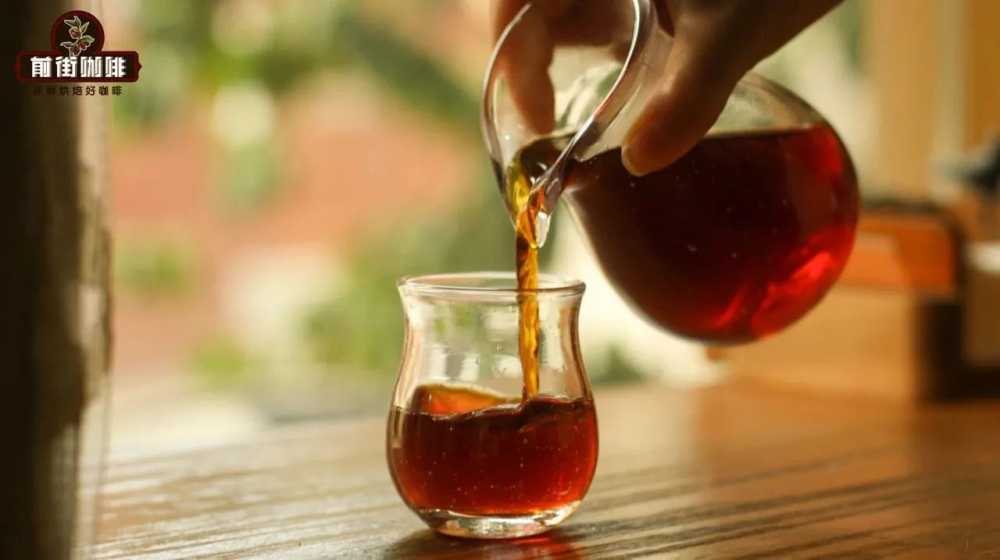
When you brew using the above parameters, you will experience the rich layers of Hua Kui coffee: the initial sip brings sweet tropical fruit aromas like passionfruit and mango, followed by the bright acidity of berries and citrus. The overall mouthfeel is silky smooth, and the finish leaves a rich, tea-like aftertaste reminiscent of black tea, making it truly memorable. By mastering grind size, water temperature, and pouring rhythm, this natural-processed specialty bean from Ethiopia’s Hambella region will deliver an extraordinary pour over experience.
The above content is compiled by CoffeeHunters, a coffee news website.


