







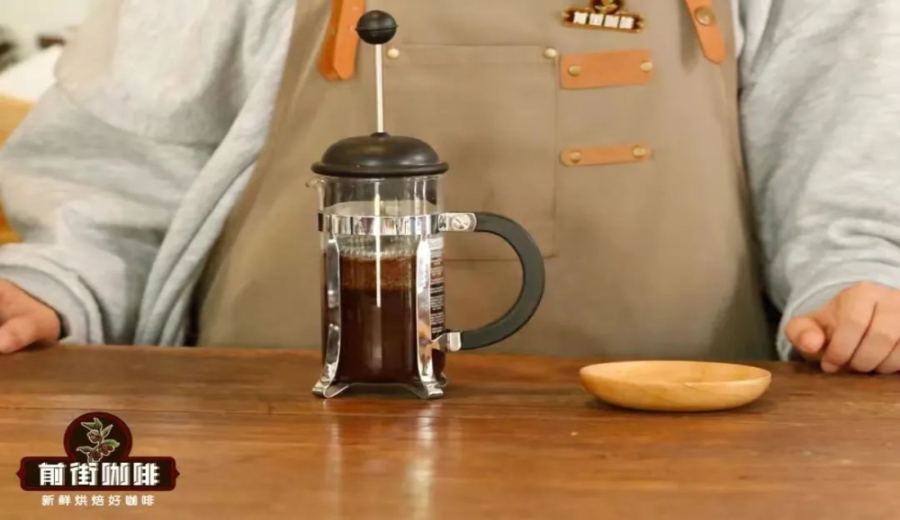
Introduction:The French press is the brewing tool of choice for many home coffee enthusiasts. It’s simple to use yet fully showcases the original flavors of coffee beans. This article uses Ethiopian Yirgacheffe as an example to detail the principle differences among six common home coffee brewing devices, and delves into the key extraction points of the French press. From grind size, water temperature control, coffee-to-water ratio, to steeping time and stirring rhythm, it provides complete parameters and practical tips to help you brew a rich coffee with floral notes, citrus acidity, and black tea aftertaste using the simplest tools.
Brewing a great cup of coffee at home starts with choosing the right equipment. Different brewing methods directly affect the flavor profile and mouthfeel of the coffee. This article will systematically introduce six common home coffee brewing methods, including drip coffee makers, American electric coffee machines, French presses, siphon pots, moka pots, and espresso machines, analyzing their principles, characteristics, and suitable scenarios. Among them, the French press stands out as a favorite for many home users due to its simplicity and full-bodied flavor.
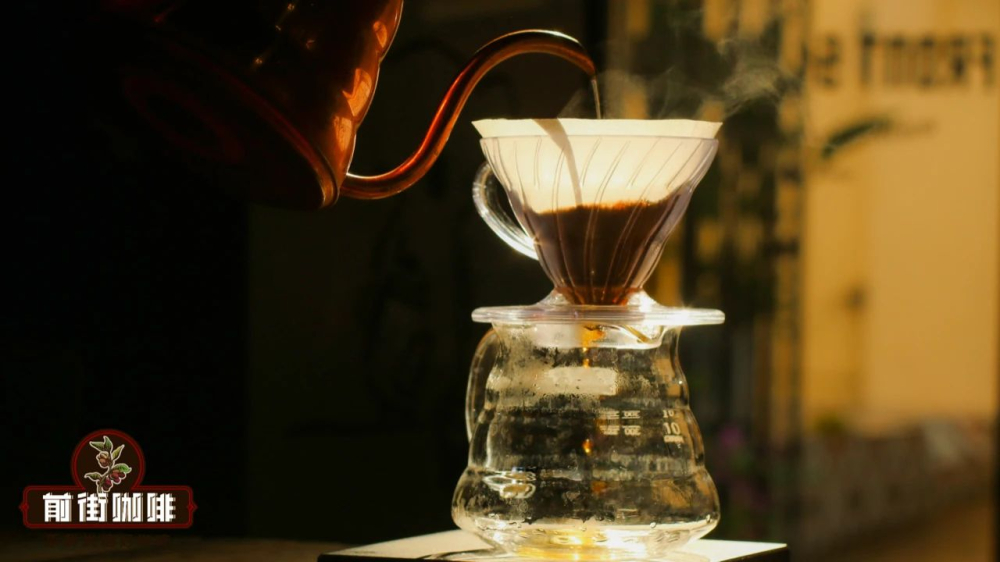
First, let’s talk about the drip coffee maker. This device has a simple structure, mainly consisting of a conical container where you place a paper filter, add coffee grounds, and then pour hot water. Since the hot water only comes into contact with the coffee grounds once, it primarily extracts flavor compounds that are smaller in molecular size and released more quickly. As a result, the brewed coffee has a fresh aroma and fewer off-flavors, making it suitable for users who prefer a clean and bright taste.
American electric coffee machines, due to differences in internal structural design, often come with funnel-shaped or wide, flat cylindrical containers. Most models have spray nozzles that only sprinkle hot water in a scattered manner. If there isn’t enough coffee grounds, some of the hot water may even drip through without passing through the coffee layer, leading to uneven extraction. The resulting coffee is often too diluted, with mediocre flavor performance.
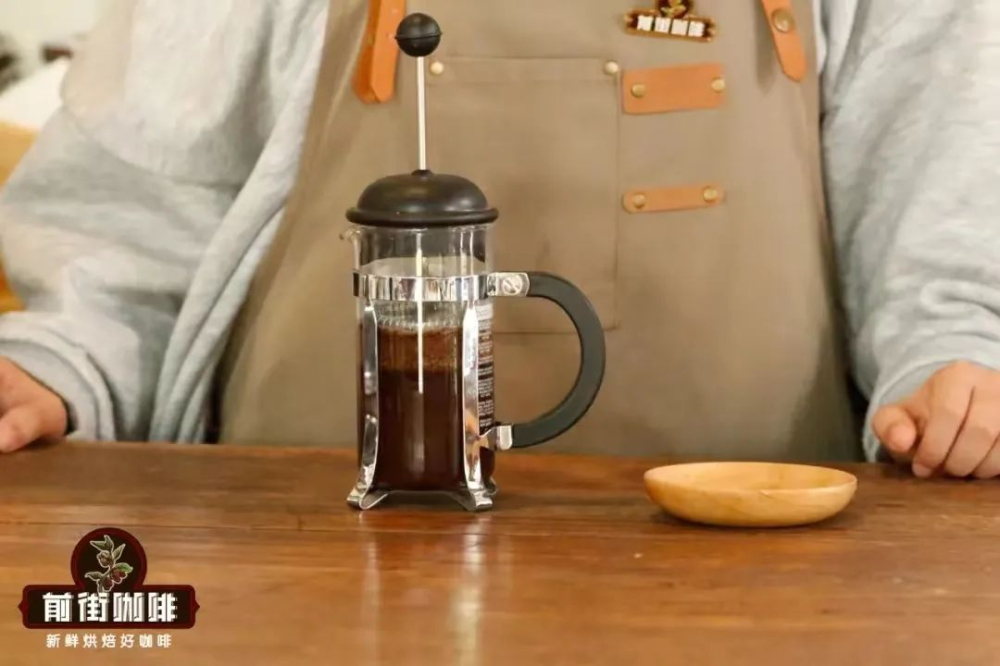
The French press is an extremely convenient option. You simply pour hot water directly into the pot to mix with the coffee grounds, and then separate the coffee grounds from the liquid using a metal filter. It extracts nearly all soluble substances, resulting in a coffee with higher turbidity but a more authentic flavor, making it particularly suitable for office or quick brewing scenarios.
The siphon pot operates on the principle of air pressure difference, using a tube to push water from the lower chamber up to the upper chamber for brewing. The process is visually engaging, making it ideal for users who enjoy hands-on experiences. The moka pot consists of three chambers—upper, middle, and lower—and uses steam pressure generated by heating to push water up through the coffee grounds. The brewed coffee is strong and has the characteristics of pressure extraction.
As for the espresso machine, it is the symbol of professional coffee. The standard parameters for making an Espresso are: about 7 grams of coffee, water temperature controlled around 95°C, water pressure of about 10 atmospheres, and an extraction time between 22 to 28 seconds. Too low a water temperature can lead to under-extraction, resulting in a thin flavor with prominent acidity; too high a temperature can easily release excessive bitterness and astringency. Water pressure affects body, while extraction time determines the personality of the coffee, with 25 seconds generally being the optimal balance point.
This article focuses on the practical techniques of brewing Yirgacheffe using a French press. This particular Yirgacheffe comes from Ethiopia’s high-altitude growing regions, is medium-light roasted, and features bright citrus acidity and elegant white jasmine floral notes. It is the go-to choice for many home coffee users and performs well with various brewing methods.
The charm of the French press lies in its simple process and full flavor presentation. Its basic principle is to allow the coffee grounds to fully steep in hot water, then separate the coffee liquid from the grounds using a metal filter. This method fully releases various soluble substances in the coffee, resulting in a richer mouthfeel and more pronounced body, making it an ideal choice for users seeking both convenience and flavor.

Recommended practical parameters are as follows: use 20 grams of medium-fine ground coffee (it is suggested to refer to the EK43s-10.5 setting, approximately equivalent to a 75% passing rate through a Chinese standard No. 20 sieve), with water temperature controlled at 90°C and a coffee-to-water ratio of 1:15. The specific steps are: first pour hot water up to 300 grams, let it steep until 1 minute and 30 seconds, then gently stir 5 times to ensure even contact between the coffee grounds and water, continue steeping until 2 minutes, then slowly press down the filter, with the overall extraction time recommended to be 2 minutes and 30 seconds.
With these parameters, the brewed Yirgacheffe offers a clear flavor profile: it starts with noticeable floral notes, features lemon acidity as the main axis on the palate, develops creamy and cane sugar sweetness in the mid-palate, and ends with a black-tea-like richness and smoothness in the aftertaste. The overall mouthfeel is full-bodied and silky, making it highly suitable for users who enjoy a balanced combination of fruity acidity and sweetness.
The above content is compiled by CoffeeHunters, a coffee news website.


