







Introduction:The COE (Cup of Excellence) is one of the most representative green coffee competitions in the global specialty coffee industry, carefully selecting top beans scoring above 87 points for international auctions. This article takes you deep into the origins and scoring system of the COE competition, and focuses on the 22nd-place naturally processed Typica bean won in Ethiopia’s first COE competition in 2020. It details the origin background, processing method, roasting, and pour over parameters, helping you master the appreciation and brewing techniques of high-quality coffee.
In the specialty coffee field, the COE (Cup of Excellence) is undoubtedly one of the most authoritative green coffee competitions. This event, first held in Brazil by the Alliance for Coffee Excellence (ACE) in 1999, has now expanded to over ten major coffee-producing countries worldwide. Each year, only top green beans with cupping scores of 87 points or higher can make it into the top 30 and participate in international auctions. This article not only analyzes the history and scoring criteria of COE but also introduces in depth the 22nd-place naturally processed Typica bean successfully bid on during Ethiopia’s first participation in 2020, including the grower’s story, processing method, roasting strategy, and precise pour over parameters.
 Global specialty coffee enthusiasts are no strangers to various top-tier bean competitions. While Panama Geisha often steals the spotlight, the outstanding beans on the COE list are equally indicative. Through the COE rankings, consumers can quickly grasp the potential and quality level of coffee from specific regions. The most outstanding beans in each year’s COE competition often become the “top lots” at auctions, not only achieving high transaction prices but also seeing those prices rise year after year, reflecting the market’s continuous pursuit of high-quality coffee.
COE stands for Cup of Excellence, translated in Chinese as “卓越杯,” and is a leader among international specialty coffee green bean competitions, with unrivaled credibility and recognition. This competition was first initiated by the Alliance for Coffee Excellence (ACE) in Brazil in 1999 and over the past twenty-plus years has successively attracted participation from more than ten countries. During the competition period, each producing country selects its highest-quality coffee beans of the year for evaluation by professional cuppers worldwide. The judging panel consists of international-level cupping experts who score each coffee according to strict standards. The top 30 beans scoring above 87 points are selected for international auction, with all proceeds going back to the farming communities to further improve local coffee cultivation standards.
Interestingly, while Indonesian coffee is often seen as a representative of traditional flavors, its unexpected display of fruit-forward characteristics during its first COE competition in 2021 overturned many coffee aficionados’ preconceptions. Indonesian coffee has traditionally been described as having herbal, spicy, full-bodied, and nutty profiles, but the beans that stood out in the COE competition exhibited bright fruitiness, offering coffee lovers a fresh experience.
 The COE scoring system is extremely rigorous and is key to ensuring the high quality of the award-winning beans. Generally speaking, beans scoring 69 points or below are considered commercial or industrial grade, 70–74 points are standard commercial beans, 75–79 points are high-grade commercial beans, and 80–84 points are what we know as specialty coffee. Only those reaching85 points or abovecan qualify for the COE competition level and are regarded as internationally recognized top-tier quality. The industry also refers to the COE cupping standards when evaluating whether to list a particular bean, ensuring that every coffee meets a certain standard.
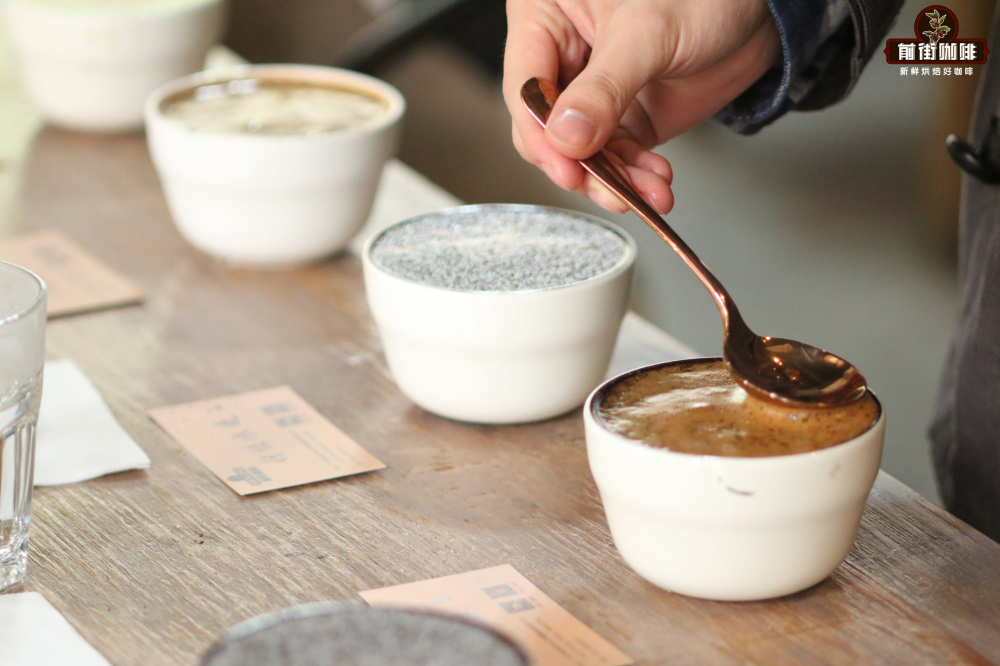
During industry cuppings, samples are evaluated within 8 to 24 hours after roasting, using 200 ml cupping bowls with 11 grams of coffee grounds per bowl. The grind size is set to the passing rate of China Standard No. 20 sieve,70%–75%water temperature is controlled at94°C, and a4-minutesteep time is used for standardized procedures. This process is very similar to the official COE cupping method, helping to more objectively assess the bean’s potential.
 Ethiopia, as the birthplace of coffee, though already having its own TOH competition, officially joined the COE ranks in 2020 by holding its first Cup of Excellence competition. The industry seized the opportunity to participate in the auction and successfully secured the 22nd-place naturally processed Typica bean. This bean comes from West Arsi in the Sidama region, grown by Adem Banta Sute, with a cupping score of87.64 points. At the time, Adem Banta Sute was over sixty years old and had devoted his life to coffee farming, raising 28 children. His entire family lived in Refisa Village, Nensebo District, West Arsi, Oromia Region. With only 6 hectares of coffee farm, he produced 4,500 kg of coffee beans annually. Before winning the award, he had never accessed the export market, selling all his harvest to local traders. Through the 2020 COE platform, he was finally able to bring his life’s work to the international stage. This was not only a turning point for him personally but also gave global consumers the chance to taste this uniquely flavored coffee.
The COE22 naturally processed Typica bean that was won features a traditional natural processing method. After harvesting, the grower carefully selects ripe red cherries and evenly spreads the whole coffee fruit — with skin and pulp intact — on raised drying beds. Until the moisture content drops to25%, it needs to be manually turned every half hour to an hour to prevent over-fermentation and off-flavors. This high-cost, labor-intensive processing method not only avoids the coffee fruit touching the ground and absorbing impurities but also successfully retains rich, clean fruit flavors. After more than two weeks of sun-drying, the coffee fruit shrinks in size and darkens in color, and only then is the green bean extracted and further processed, resulting in its notable sweetness.
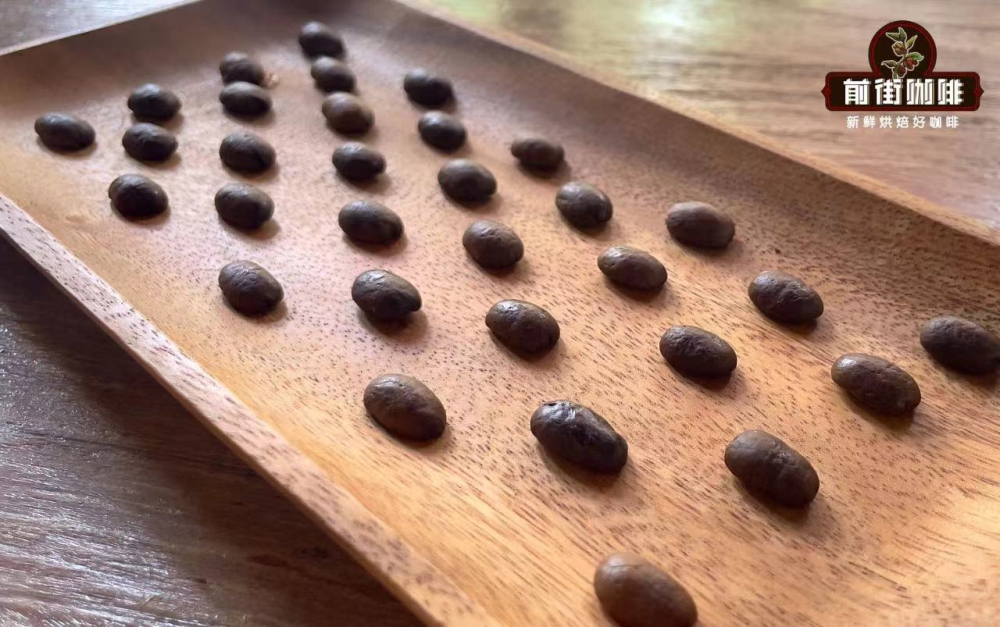
This naturally processed Typica from West Arsi, Ethiopia, which ranked 22nd in COE2020, is simply labeled as “COE22” on the coffee list. To fully showcase its fruity character and juice-like mouthfeel, the roaster opted fora medium-light roast. For brewing, it is recommended to use a Hario V60 filter, with water temperature set at91°C, a coffee dose of15 grams, a brew ratio of1:15, and a grind size of 20-number sieve passing rate80%, close to a medium-fine grind.
Brewers typically use the classic three-pour method to enhance the layered flavors. First, 30 grams of hot water is poured for a 30-second bloom, followed by slow circular pouring from the center until reaching 125 grams for the first pour. When the water level in the filter is about to uncover the coffee bed, continue pouring in circles up to 225 grams. Finally, let the water drain completely from the filter, with total extraction time of approximately2 minutes. This process fully highlights the bean’s inherent acidity, sweetness, and delicate aromas.
After brewing, this COE22 reveals distinct lychee and strawberry acidity with hints of fermented wine notes. It feels silky smooth on the palate, with a honey-like, lingering sweetness in the aftertaste. It is a high-altitude naturally processed coffee with remarkable layers and a long finish.
The above content is compiled by CoffeeHunters, a coffee news website.


