







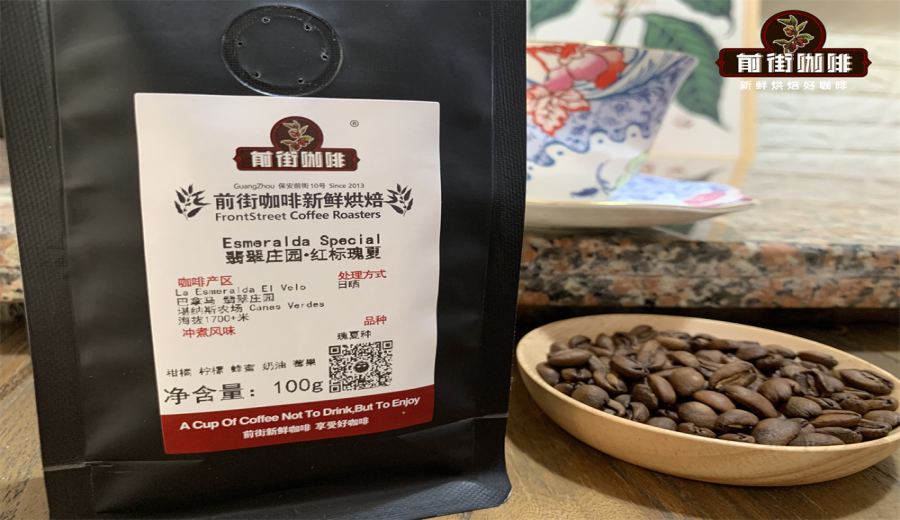
Introduction:Want to understand why Panamanian Geisha has stood out in the global specialty coffee scene? This article delves into the legendary journey of Geisha—from its Ethiopian homeland to its rise in Panama’s highlands—analyzing how its stringent requirements for high altitude and microclimate give rise to its distinctive tea-like floral aroma and delicate fruity acidity. It also provides a practical three-stage pour over technique and key brewing parameters to help you fully unlock the layered flavors of Geisha. A must-read guide for specialty pour over coffee enthusiasts.
Geisha coffee is hailed as one of the finest in the specialty coffee world, widely praised for its unique floral notes, bright acidity, and long-lasting tea-like aftertaste. Whether you're new to coffee or a seasoned enthusiast, understanding the story behind Geisha and the correct brewing methods will allow you to experience the charm of this coffee more deeply.
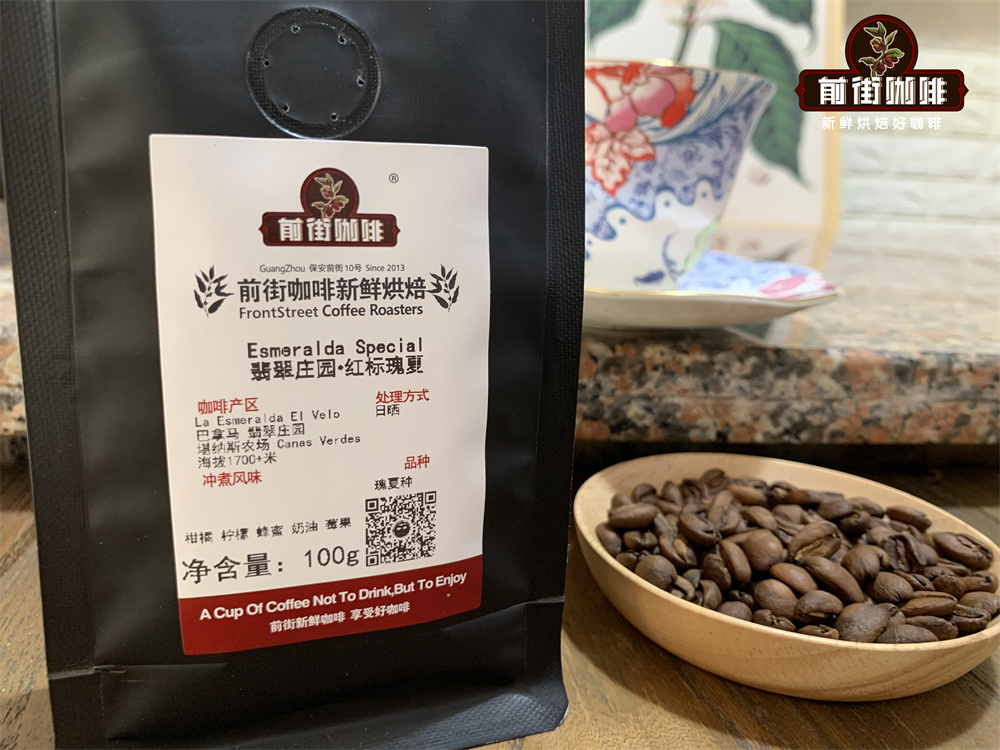
Geisha did not originally come from Panama, but from the Gesha region of Ethiopia. As the birthplace of coffee, Ethiopia is home to numerous wild and native varieties, and Geisha is one of them. However, due to its tall plant stature, low yield, and difficult harvesting in the early days, Geisha was once only used as a windbreak and even overlooked by most farms. It wasn’t until 1931 that the variety was introduced to coffee research institutions in Kenya and Tanzania, later spreading to Uganda, Costa Rica, and other places. It was eventually brought to Panama in the 1960s and 1970s by the Don Pachi Estate and planted in the region’s high-altitude mountains, where its astonishing potential gradually emerged.
In fact, the term “Geisha” is a transliteration of Geisha. Like common varieties such as Typica and Bourbon, it is a coffee varietal name. But unlike other varieties, Geisha is often highlighted separately in product names due to its distinctive flavor profile, making it more recognizable in the market.
As Panamanian Geisha has achieved repeated success in international competitions, regions around the world—including Colombia, Guatemala, Ethiopia, and even Yunnan in China—have begun cultivating the Geisha variety. However, due to differences in altitude, climate, soil, and cultivation methods, the resulting Geisha flavors vary. Among them, Panama’s Boquete region, with its uniquely advantageous geographical environment, has become one of the best-performing Geisha-producing areas.
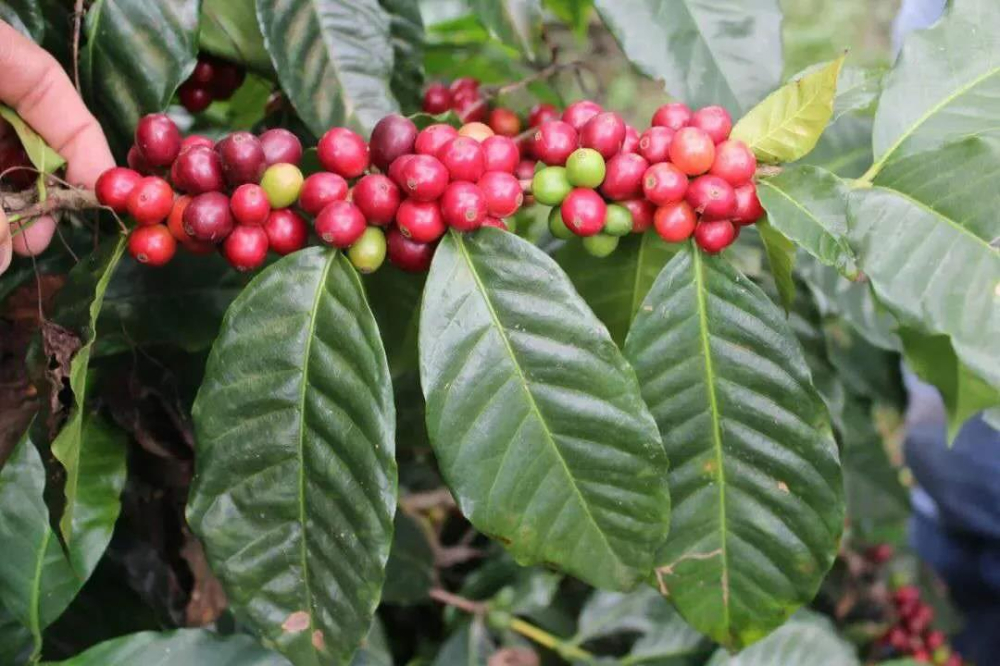
The reason Panama can cultivate top-tier Geisha lies in its terrain and microclimate. The country’s east-west mountain ranges intercept moist air from the Caribbean Sea and the Pacific Ocean, keeping the central highlands shrouded in clouds year-round. Additionally, regions like Boquete and Candela generally have altitudes exceeding 1900 meters, with significant day-night temperature variations that help coffee cherries ripen slowly and accumulate richer flavor compounds. Moreover, the local volcanic soil is fertile and well-drained, providing nearly perfect growing conditions for Geisha and giving rise to its distinctive delicate floral notes, citrus tones, and tea-like finish.
If you want to brew Panamanian-style Geisha coffee at home, it’s recommended to choose lightly roasted beans to preserve their bright acidity and complex aromatic layers. At the same time, because high-altitude-grown coffee beans are denser, a medium-fine grind is advised, along with slightly higher water temperatures during extraction to help fully bring out its flavor characteristics.
For the pour over method, it’s recommended to use a V60 filter cone, with a 1:15 coffee-to-water ratio. Use about 15 grams of coffee grounds and a total brewing volume of 225 milliliters, with water temperature controlled at around 91°C, and select a medium-fine grind similar to superfine sugar (approximately 80% passing through a #20 sieve). Here is a practical three-stage pour over process:
First is the preparation stage: Wet the filter paper and preheat the server and pour over equipment. Place 15 grams of Geisha coffee grounds into the V60 filter cone and start the timer.
Step 1: Perform the first pour, adding about 30 grams of hot water. Starting from the center of the filter cone, slowly circle outward. This action is called the “bloom.” The bloom time is about 30 seconds, aimed at releasing carbon dioxide from the coffee grounds to establish a solid foundation for subsequent extraction. At this point, the coffee grounds will expand, forming what is known as the “coffee burger” state.
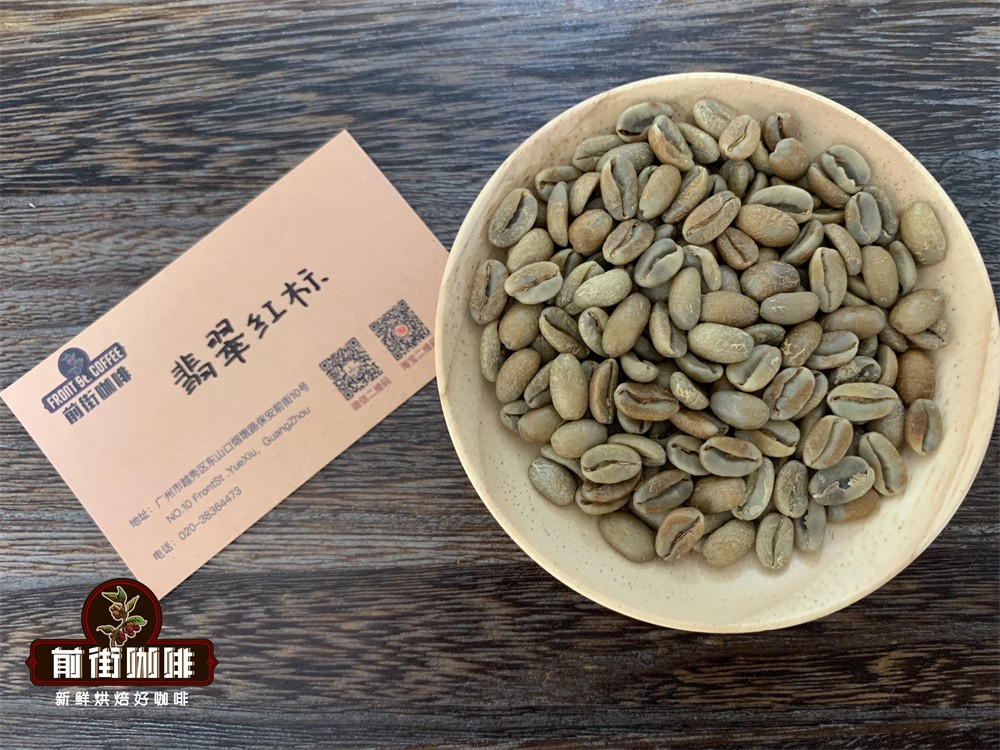
Step 2: After the bloom, begin the second pour at the 31-second mark, pouring a total of 125 grams of water. Maintain a steady and vertical water flow, circling from the center outward, being careful not to directly hit the walls of the filter cone. This stage of pouring will create rich foam on the coffee bed, and the liquid level should gradually rise to the short ribs of the filter cone, continuing for about 45 seconds.
Step 3: When the liquid level drops to about half, begin the final pour with 70 grams of water. Again, use a center-outward “aroma-focused” circular pour, keeping the water flow fine and steady. At this point, the foam color will shift from dark brown to light yellow, and the liquid level will rise again. After completing all the pouring, let it sit until the coffee liquid has completely dripped through. The total extraction time should be around 2 minutes, after which you can remove the filter cone and finish the brew.
Through the above steps, you’ll be able to fully experience the distinctive bright acidity, delicate floral notes, and rich aftertaste of Geisha coffee. Generally, Geisha coffee often carries aromas of rose, citrus, rice, berries, apricot, and more, with clearly layered flavors, a smooth mouthfeel, and a sweet, lingering aftertaste. It’s a premium specialty coffee worth savoring slowly.
The above content is compiled by CoffeeHunters, a coffee news website.


