







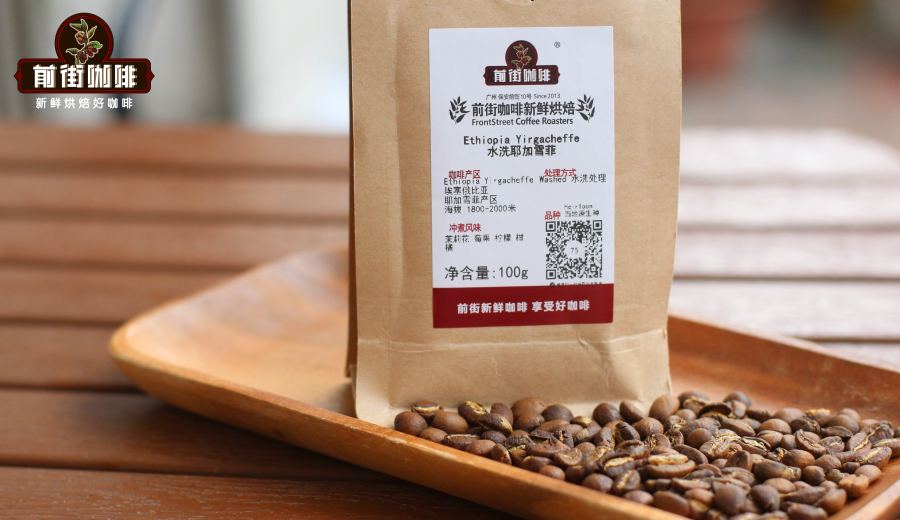
Introduction:Yirgacheffe is one of Ethiopia’s most representative coffee-growing regions, renowned for its distinctive floral aromas and citrusy profiles. This article delves into the characteristics of well-known cooperatives in the area such as Kochere, Konga, and Werka, explores the traits of Ethiopian heirloom beans, and explains the differences between washed and natural processing methods. It also offers practical pour over brewing tips and precise roasting insights to help you fully experience the captivating flavors of Yirgacheffe.
Yirgacheffe is a world-famous coffee-growing region in southern Ethiopia. For a long time, it has been a classic among specialty coffee enthusiasts worldwide, thanks to its delicate floral notes, bright citrus tones, and refreshing aftertaste. Although most of the coffee from this region is washed, natural processed lots also showcase rich fruitiness and sweet body, making them highly favored by pour over and filter coffee lovers.
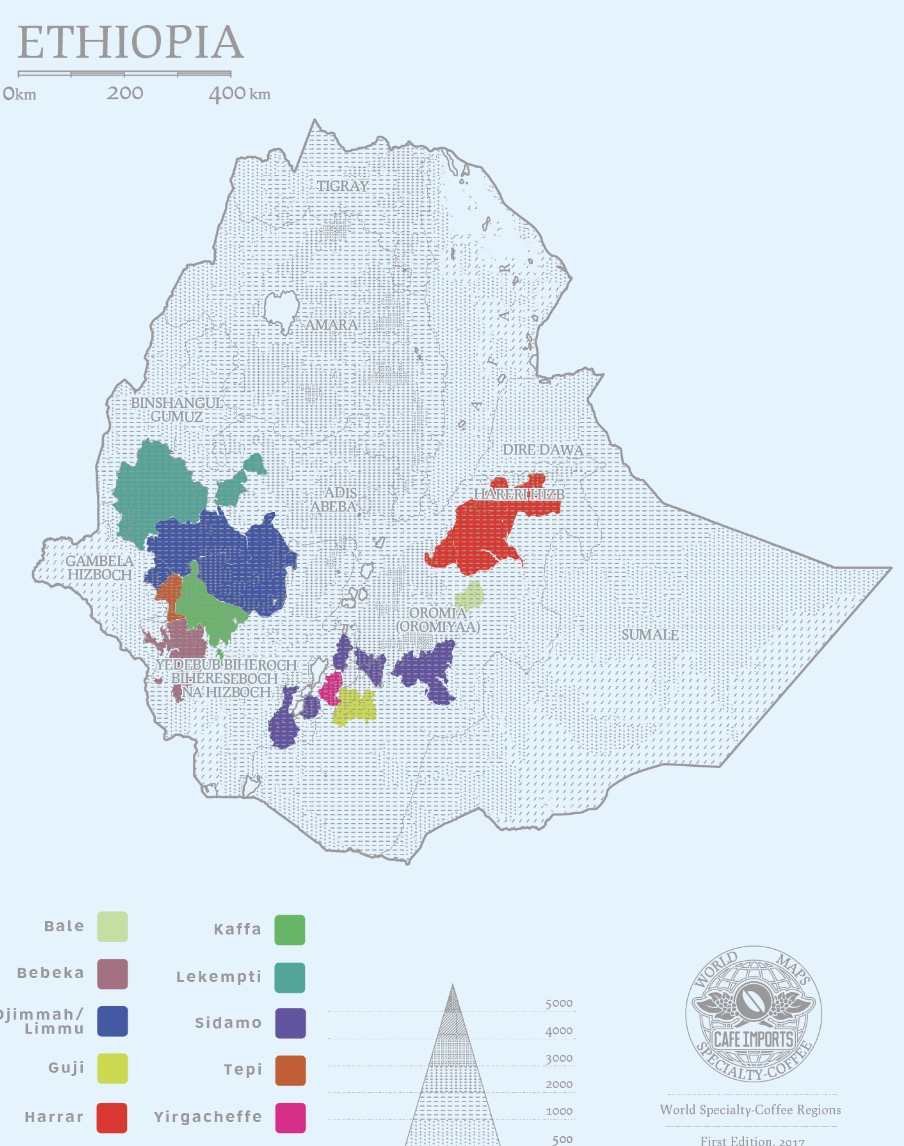
Originally just a small town within the Gedeo Zone, Yirgacheffe benefits from high altitudes (averaging around 1,700–2,200 meters), cool climates, significant day-night temperature variations, and abundant water sources—all of which create an ideal environment for growing Arabica coffee. It was once part of the larger Sidama region, but in 2010, due to its distinctly recognizable and unique flavor profile, the Ethiopian Commodity Exchange (ECX) designated it as an independent coffee-growing region.
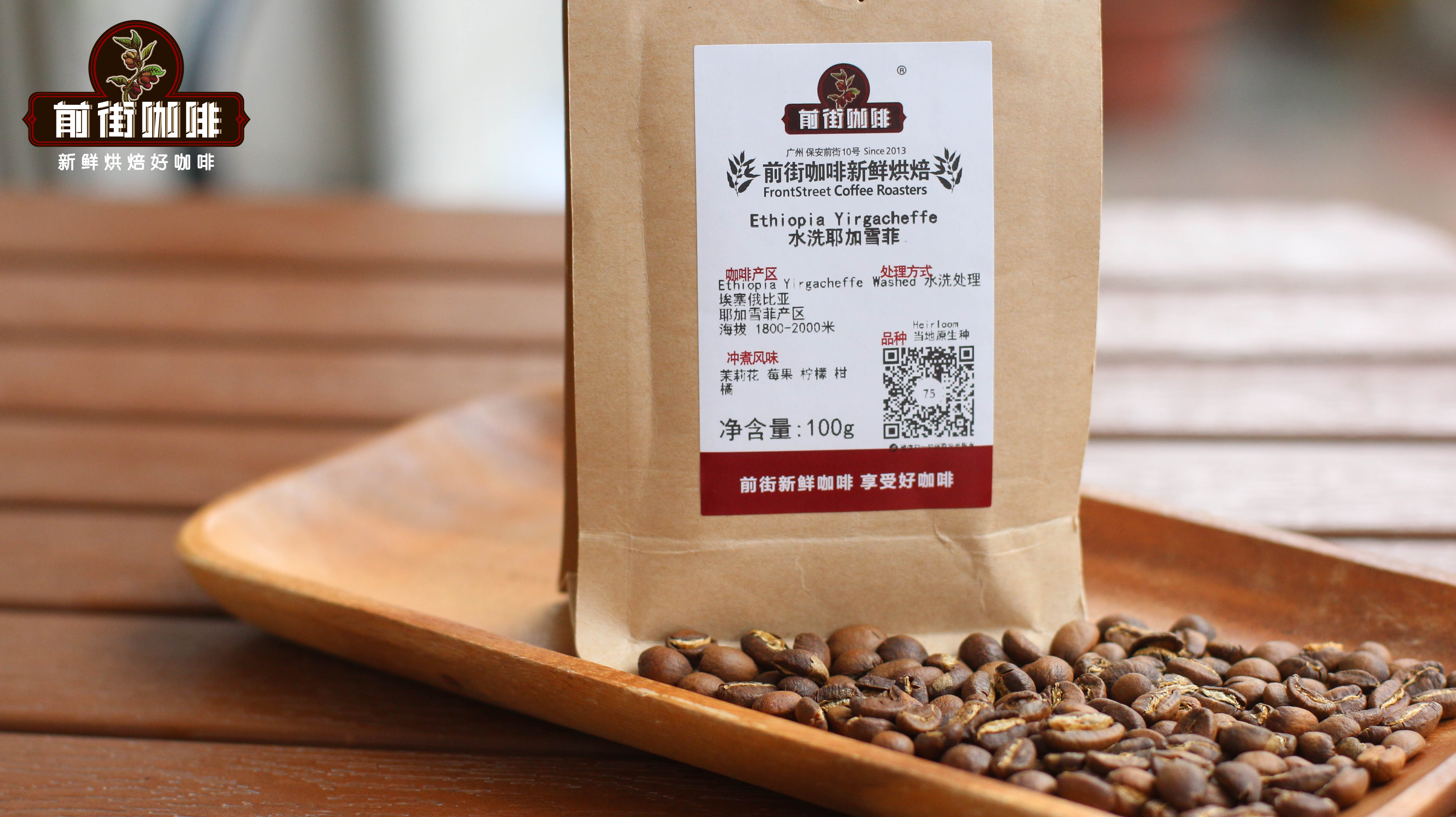
When it comes to the coffee bean varieties of Yirgacheffe, many consumers will see the label “Ethiopian Heirloom” on the packaging. As Ethiopia is the birthplace of coffee, the country is home to thousands of wild and semi-wild coffee varieties, many of which have not yet been scientifically classified or named and still grow naturally in mixed cultivation in farms. Therefore, apart from a few introduced varieties, most Yirgacheffe coffees are categorized as heirlooms, often featuring uneven bean sizes, which also contribute to a rich variety of flavors.
Why are there so many small cooperatives in Yirgacheffe? This is closely related to fair trade and farmers’ rights. As early as 2002, the Yirgacheffe Coffee Farmers Cooperative Union (YCFCU) was established, uniting 24 primary cooperatives and approximately 50,000 coffee farmers. It broke away from the traditional commodity auction model (such as ECX), enabling buyers to directly engage with cooperatives through direct trade. This allows for tracking each lot’s origin, processing method, and farmer information—ensuring transparency and traceability.
This model not only helps farmers avoid exploitation by middlemen but also ensures they receive fair compensation. Some cooperatives even provide fertilizers, processing equipment, and technical support, further improving coffee quality. Below are some notable Yirgacheffe-based cooperatives and their regional characteristics.
First is the cooperative located in the Werka region:Gotiti Cooperative (Gotiti), originally part of the Werka Cooperative, became independent in 2012. It consists of about 300 coffee farmers and excels in both traditional washed and natural processing methods, maintaining meticulous processing protocols. Its location is considered the last piece of pristine land in Yirgacheffe that retains the region’s original flavor character. Typical washed Gotiti beans often feature a clean citrus acidity, elegant white floral notes, soft honey-like sweetness, and a green-tea-like aftertaste—ideal for coffee enthusiasts who prefer a refreshing style.
Another noteworthy cooperative isKonga Cooperative (Konga), situated in the fertile Gedeo region, where the soil is rich in iron and boasts a deep layer (over 1.5 meters), helping coffee trees establish strong roots and absorb nutrients effectively. Iron is also a key element in chlorophyll synthesis, allowing coffee trees to perform photosynthesis more efficiently and accumulate more flavor compounds. The Konga natural beans produced in this region exhibit abundant citrus acidity, rich berry juice-like flavors, paired with silky honey sweetness and a buttery mouthfeel, delivering a well-defined flavor profile.
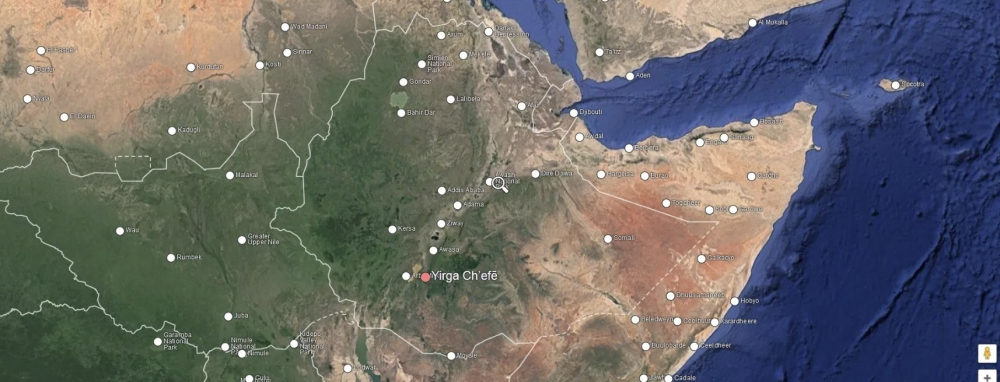
Werka Cooperative (Werka), affiliated with YCFCU, was established in 2005. It is located in a remote area, about 75 kilometers from the main hub town of Dilla, including 20 kilometers of unpaved dirt roads. The inconvenient transportation has helped preserve a pure agricultural environment. The cooperative is formed by 305 farmers, cultivating on approximately 763 hectares of land, with an annual output of around 460 tons. It has been certified organic by the EU Skal and refrains entirely from using chemical fertilizers and pesticides. Werka’s washed and natural beans often present bright lemon and grapefruit acidity, elegant ginger flower aromas, and a tea-like aftertaste reminiscent of Tieguanyin, showcasing clarity and regional typicity.
As forHafursa Cooperative (Hafursa), its history dates back to 1975, making it one of Ethiopia’s earlier-established cooperative organizations. The cooperative’s coffee cherries mainly come from mountain slopes at elevations between 1,850 and 2,100 meters. The slope orientation and altitude offer highly favorable microclimates for coffee growth. High-altitude cultivation slows down fruit ripening, aiding the accumulation of flavor compounds and creating its unique aroma and balanced taste profile.
IDIDO Cooperative (IDIDO)is nestled in the high-altitude valleys of Yirgacheffe town, with an annual rainfall of about 1,400–1,800 millimeters. Smallholder farms are typically planted at elevations of up to around 2,000 meters. The cool air slows the ripening of coffee cherries, allowing them to develop slowly within high-quality soil and a vibrant ecosystem, giving rise to intense floral aromas. Some batches even exhibit delicate aromatic characteristics akin to the renowned Geisha variety, making it one of the regions with great potential for expressive flavors.
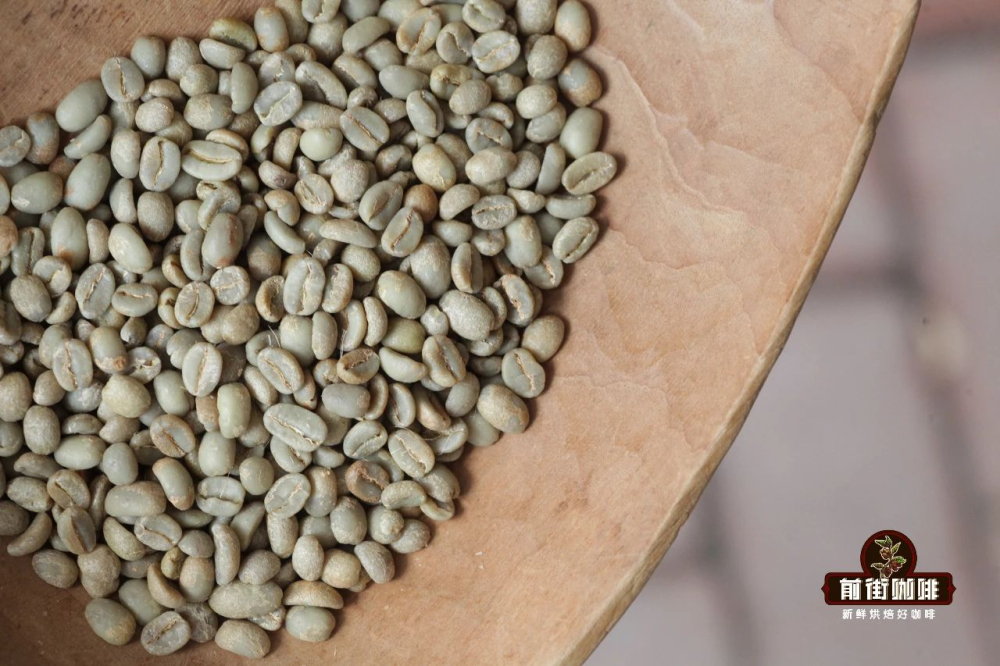
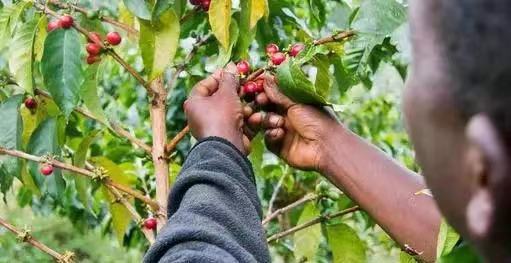
In terms of processing methods, Yirgacheffe primarily employs two traditional techniques: washed and natural. Washed processing involves removing the fruit skin and pulp, then fermenting in water tanks to remove the mucilage, followed by thorough washing and sun drying. This method highlights clean, bright acidity and a clear flavor structure, appealing to those who prefer a refreshing taste. In contrast, the natural process dries the coffee cherries with the fruit flesh intact, allowing the fruit sugars to penetrate the seeds during fermentation, resulting in a sweeter cup with pronounced fermentation aromas and generally richer, rounder flavors.
The recommended roast level for Yirgacheffe coffee beans islight roast, which preserves the bright acidity and delicate floral notes to the greatest extent, showcasing the most classic characteristics of the region. Generally speaking, the roast should not be too dark to avoid masking the intrinsic flavors and nuanced fruit acids.
To maximize freshness, it is recommended to enjoy the coffee withinfive days after roasting, when the flavors are most complete and vibrant.
For brewing, since Yirgacheffe beans are mostly light roasted and have relatively dense bean structure, it is advised to usemedium-fine grind (similar to the coarseness of granulated sugar, or 80% passing rate through a standard #20 sieve), paired with90–92°C water temperature. A1:15 coffee-to-water ratiois suggested, along with a three-stage pouring method: the first stage involves pouring 30 grams of water for a 30-second bloom; the second stage circles the water to reach 125 grams, then continues pouring to 225 grams after the water level drops halfway; the total extraction time should be controlled within2 minutes 00 seconds to 2 minutes 10 seconds, helping to fully express its fresh fruity-floral notes and well-layered finish.
The above content is compiled by CoffeeHunters, a coffee news website.


