







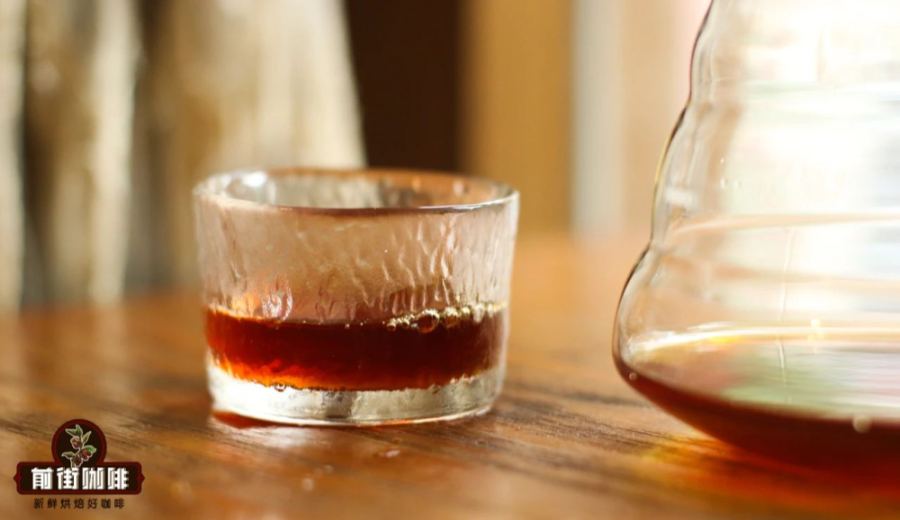
Introduction:Why does honey-processed coffee have such sweet flavors while also being environmentally friendly? This article delves into the origins and evolution of the honey processing method in Costa Rica, explains the origin of the term "honey" and the classification logic behind black honey, red honey, yellow honey, and white honey. Through a complete step-by-step guide to pour over brewing with a Colombian Geisha, it helps you understand this water-saving yet flavorful pre-processing technique, as well as how to bring out its delicate fruity notes and rich sweetness through proper extraction methods.
Why does honey-processed coffee always carry such an enchanting sweetness? This question often piques the curiosity of coffee enthusiasts. Taking a Colombian Geisha from Hopes Estate as an example, this article traces the historical background and development trajectory of the honey processing method in Costa Rica, deciphers the true meaning of the word "honey," and analyzes the origins and differences behind the names black honey, red honey, yellow honey, and white honey. At the same time, we will also meticulously document the hands-on pour over process of this honey-processed Geisha—from grind size, water temperature, to the three-stage pouring technique—to help you fully grasp this coffee processing method that combines environmental sustainability with ultimate flavor.
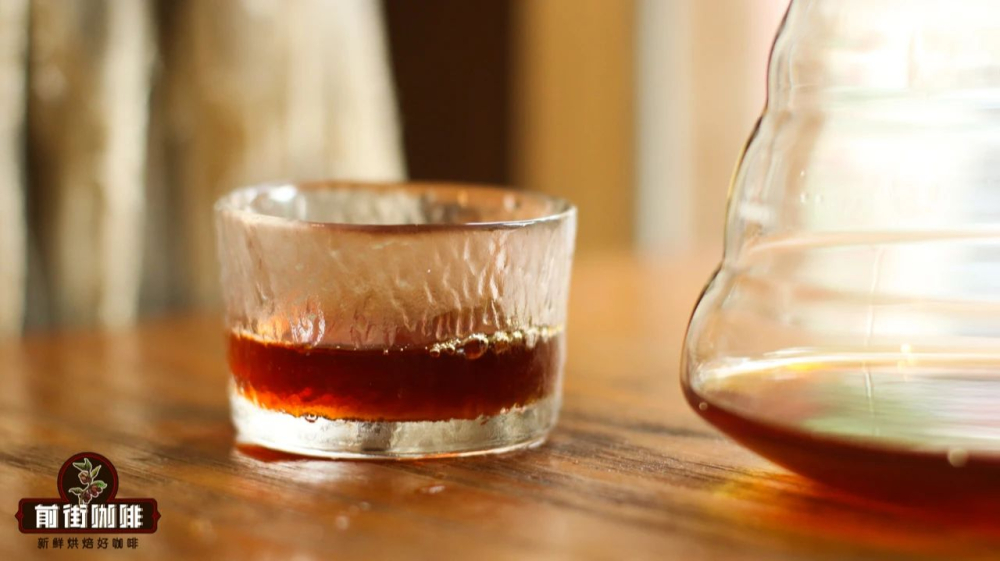
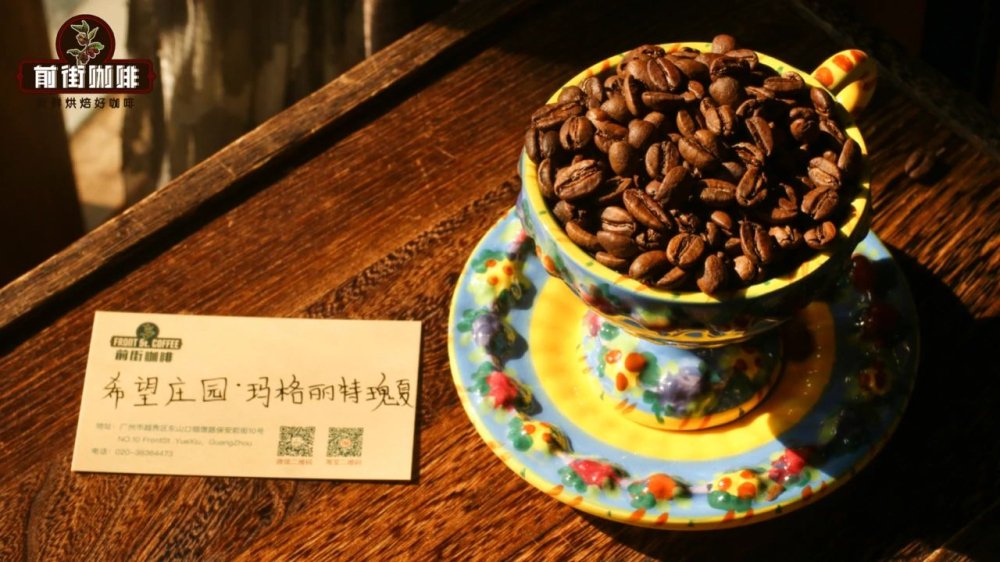
When it comes to coffee with sweet flavors, many people first think of natural or honey processing. To offer consumers a richer sweet experience, many specialty coffee selections include at least one honey-processed bean. Take the recently well-received Colombian Geisha from Hopes Estate as an example—it uses the honey processing method, exuding intense rose floral aromas and outstanding sweetness, making it widely loved by customers. But why can honey processing bring out such unique sweetness? Is honey really added? In fact, the term "honey" originates from the Spanish word "Miel," referring to the sticky mucilage layer inside the coffee fruit—not actual honey being added.
The honey processing method in Costa Rica can be traced back to the late 20th century. At that time, due to low international coffee prices, many coffee farmers, in order to survive, stopped selling all their coffee cherries to large processing plants and instead chose to process them themselves, leading to various innovative attempts. The precursor to honey processing was actually Brazil’s Pulped Natural (semi-washed or pulp sun-dried) technique, which was originally designed to save water. It wasn’t until 2006 that a coffee farmer named Juan Ramón Alvarado, with two honey-processed beans, swept the top two spots in the Costa Rica GOLDEN HARVEST green bean competition hosted by the SCAA, that this technique gradually gained attention. The following year, in the first-ever Costa Rica Cup of Excellence competition, three out of the top five were honey-processed beans, showcasing its potential.
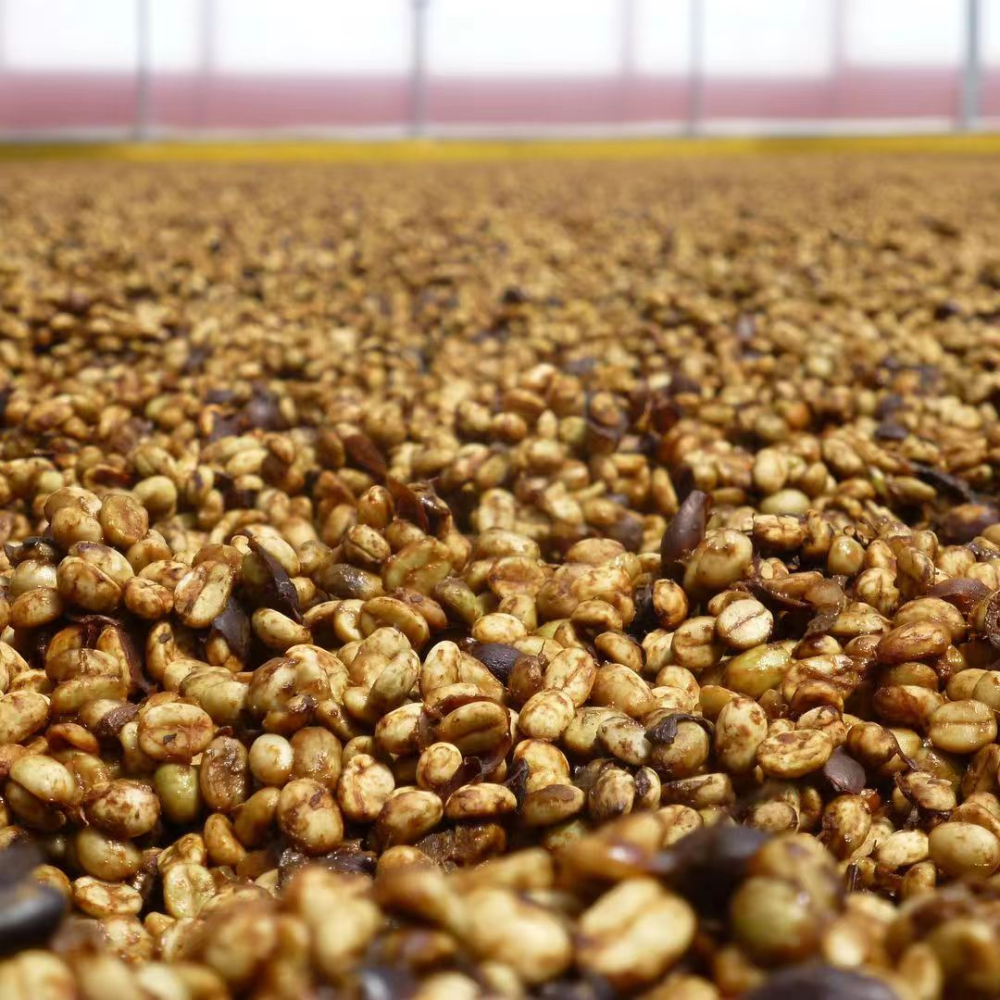
In 2008, a major earthquake struck Costa Rica, and many regions faced severe challenges such as power outages and water shortages. To cope with the crisis, many coffee farmers turned to this water-saving technique. Although initially some were concerned that drying with mucilage might lead to unstable fermentation, practical application not only saved a significant amount of water but also, by controlling the degree of mucilage fermentation, produced a variety of flavor layers—leading to the emergence of different processing grades such as black honey, red honey, yellow honey, and white honey.
Regarding the classification names of honey processing, the common terms black honey, red honey, yellow honey, and white honey mainly differ based on the proportion of mucilage retained during drying and the exposure conditions. Mucilage is rich in sugars, and as it dries and is exposed to air, it gradually oxidizes. Its appearance changes from the initial yellowish-white to golden, and may further deepen to dark red or even near black-purple. Generally speaking, the more mucilage retained, the more pronounced the fermentation character, and the higher the sweetness and body. However, it should be noted that there is currently no unified industry standard for these color-based grades, and naming conventions may vary between different farms or processing facilities—for example, what one farm calls "red honey" might be called "yellow honey" elsewhere.
The drying period for honey processing typically ranges between two to four weeks, shorter than natural drying but longer than washed processing. In terms of flavor profile, honey processing often falls between natural and washed coffees, mostly exhibiting intense fruity aromas and bright acidity, while maintaining a rich sweetness. During cupping, one can often sense a delicate balance of floral notes and fruity acidity. Compared to traditional washed processing, honey processing can save about 40% of fresh water while reducing defect flavors caused by prolonged intense sunlight, hence it has rapidly gained popularity in Central and South America and become a favorite in the specialty coffee market.
Next, we will demonstrate how to use the pour over method to fully showcase the potential of this Colombian Hopes Estate honey-processed Geisha. We recommend using the following parameters: 15 grams of coffee, grind size around 9.5 on the EK43 grinder, equivalent to 80% passing rate through a #20 sieve—that is, a medium-fine grind similar to fine sugar; a brew ratio of 1:15, water temperature controlled at 92°C, using the classic three-stage pouring technique, paired with a V60 filter cone for extraction.
First is the blooming stage: pour an amount of water twice the weight of the coffee grounds, about 30 milliliters, and let it bloom for 30 seconds. At this point, you can observe the Geisha beans quickly absorbing water, with the surface of the coffee grounds visibly expanding. After blooming, begin the first pour: use a steady stream of water, circling from the center outward to evenly wet the entire coffee bed, then continue pouring with a larger stream in wide circles, aiming to pour 130 milliliters in total. This helps raise the coffee bed height and brings out a richer layering of flavors. Once the water has drained through, switch to a smaller stream, focusing on the center point and slowly pouring the remaining 65 milliliters. Finally, wait for the drip to finish to complete the extraction.
Through the above pour over steps, this Hopes Estate Geisha showcases a full-bodied purple grape juice-like mouthfeel, distinctly layered rose floral aromas, vibrant and bright citrus-toned acidity, prominent sweetness, and a long-lasting aftertaste. The overall performance is impressive, making it an excellent choice for experiencing the charm of the honey processing method.
The above content is compiled by CoffeeHunters, a coffee news website.


