







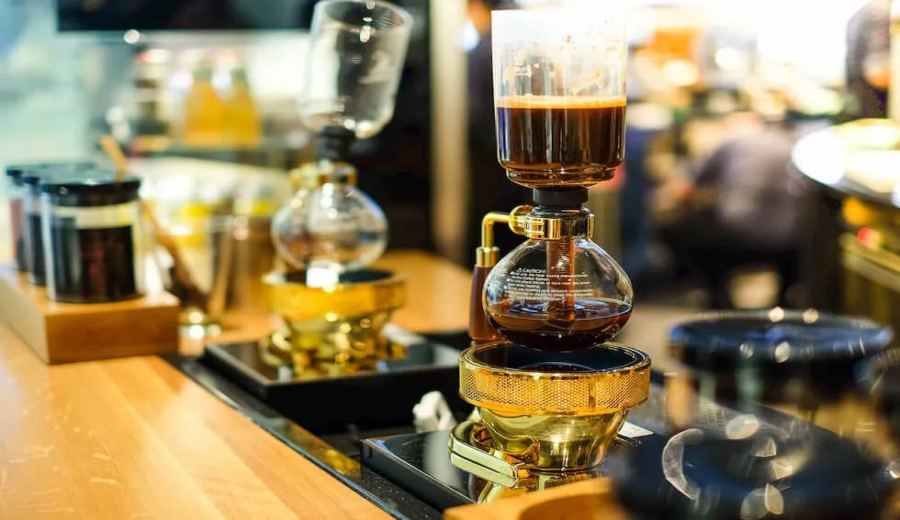
Introduction:The siphon pot, also known as the siphon brewer or vacpot, has become a favorite among many coffee enthusiasts due to its unique glass construction and science-inspired brewing method. This article delves into the structural design and pressure-differential extraction principles of the siphon pot, explains its connection to the name "siphon brewer," and provides detailed brewing parameters and steps. It also recommends several coffee beans well-suited for siphon extraction, ranging from classic medium-to-dark roasts to fruit-forward, flavor-rich beans, helping you find your own preferred siphon coffee profile.
The siphon pot, also called the siphon brewer, gets its name because its appearance resembles the glass instruments used in early laboratories, coupled with its frequent appearances in nostalgic films and scientific settings, giving it a mysterious and retro vibe. Whether you call it a siphon pot or a siphon brewer, this pressure-differential brewing device delivers a rich and layered coffee experience. Understanding its structure and brewing principles will allow you to enjoy this classic coffee-making technique with more confidence.
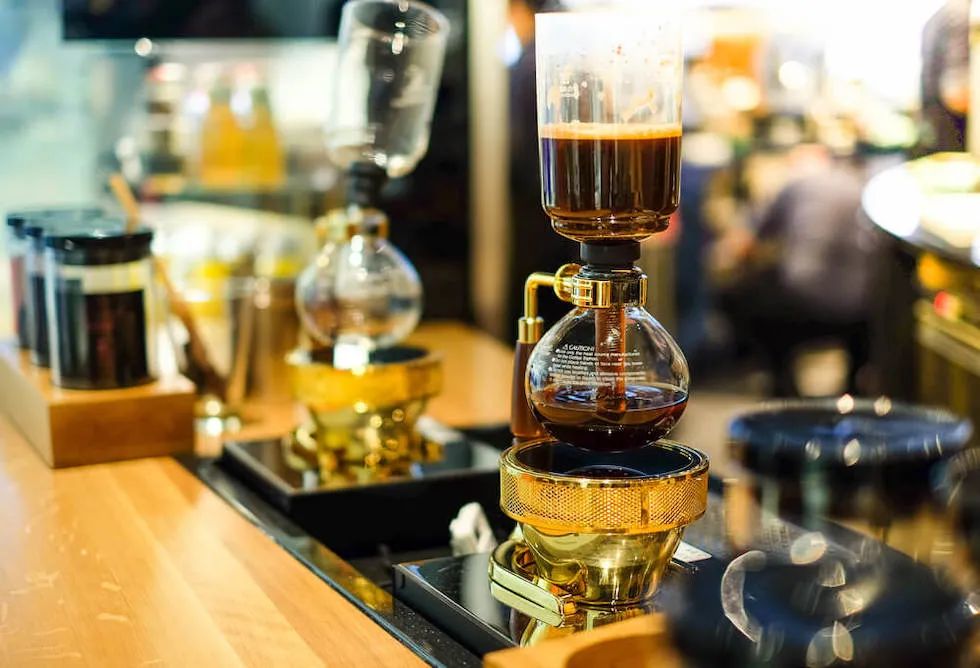
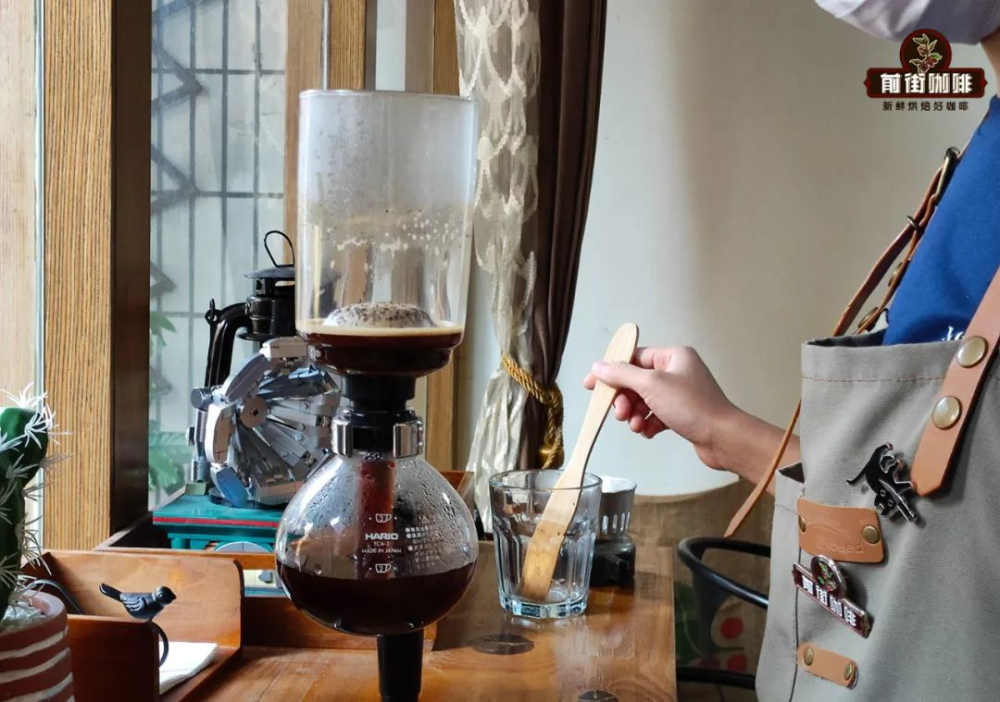
The basic structure of a siphon pot can be divided into three main parts: the upper chamber, the lower chamber, and the stand. The lower chamber is usually spherical in design to ensure even heating; the upper chamber is cylindrical with a narrowed bottom connected to a slender tube, and this narrowed section is fitted with a leak-proof rubber gasket. When the upper chamber is placed onto the lower chamber, the gasket creates a seal. Heating the lower chamber causes the water to boil and generate steam, increasing the internal pressure and pushing the hot water up into the upper chamber. At this point, the upper chamber becomes the space where the coffee grounds and hot water mix and extraction occurs. Once the heat source is removed, the pressure drops, and the brewed coffee flows back down into the lower chamber due to the siphon effect, completing the entire brewing process.
Common heat sources for siphon pots include alcohol burners, gas stoves, and halogen lamps, with alcohol burners being the most popular choice due to their simplicity and easy temperature control. As for filtration systems, there are two main options: flannel filters and round paper filters. Flannel filters retain more coffee oils, resulting in a smoother mouthfeel, but they are more complex to clean. Paper filters, on the other hand, more effectively filter out impurities and oils, making them suitable for those who prefer a cleaner flavor. If you’re just occasionally trying siphon brewing, flannel is recommended for a more traditional flavor. Additionally, the beads attached to the filter not only help prevent bumping but also allow you to judge whether the water has reached an ideal brewing temperature by observing the bubbles around them. Other brewing aids include a stirring spoon and a damp cloth, the latter of which is especially useful for speeding up the coffee’s return flow.
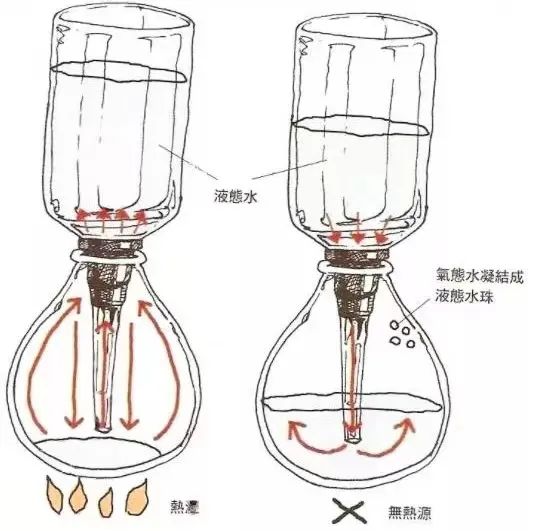
The extraction principle of the siphon pot mainly relies on the operation of pressure differentials. First, the lower chamber is heated, and once the water boils, the steam increases the pressure, pushing the water up into the upper chamber. At this point, coffee grounds are added to the upper chamber and stirred appropriately to ensure thorough mixing with the hot water. After a period of immersion and extraction, the heat source is removed, the pressure rapidly drops, and the brewed coffee automatically flows back down into the lower chamber, completing the brew. To speed up the return flow, you can gently wrap the lower chamber with a damp cloth, which helps quickly reduce the pressure and encourages faster return of the coffee liquid. The overall brewing time is typically controlled to around 1 minute and 10 seconds.
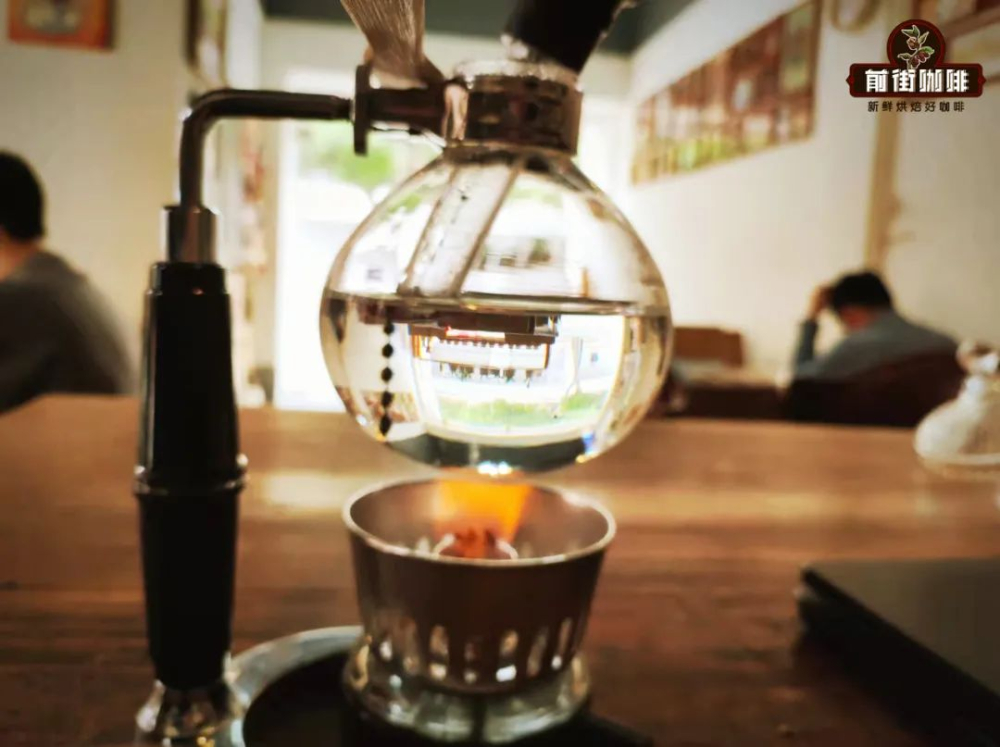
To successfully brew a high-quality siphon coffee, it’s essential to master some key parameters and details. Here is a tested and effective operational example: use water at 88°C, coffee grounds ground to a fineness where 90% passes through a #20 sieve, with a coffee dosage of 18 grams and a coffee-to-water ratio of 1:10. First, pour 180 milliliters of warm water into the lower chamber, wipe the outer surface of the pot dry to prevent cracking during heating, then light the alcohol burner to start heating. Next, secure the flannel filter in the upper chamber and hang the hook onto the glass tube, inserting it diagonally into the lower chamber. When small continuous bubbles appear in the lower chamber, it indicates that the steam pressure is gradually increasing. At this point, straighten the upper chamber to ensure it is tightly sealed against the lower chamber. Once the water has fully risen into the upper chamber, add the coffee grounds and stir evenly in a clockwise direction from the outside in for about 10 seconds to ensure the grounds are fully saturated. After starting the timer, stir again for 5 seconds at around 40 seconds, then quickly remove the heat source. The coffee liquid will begin to flow back, and during this process, you can use a damp cloth to wipe the lower chamber to speed up the return. The total brewing time is controlled to around 1 minute and 10 seconds. Finally, remove the upper chamber and pour the coffee into a cup to enjoy.
What kind of coffee beans are suitable for the siphon pot? Traditionally, because the siphon brewing method tends to highlight rich and full-bodied flavors, many people prefer medium-to-dark roasted beans. For example, classic choices like Brazilian Queen Estate, Golden Mandheling, and Papua New Guinea Bird of Paradise are common and perform exceptionally well. However, with the rise of specialty coffee, more and more distinctly flavored beans can also deliver surprising results with the siphon pot. For instance, a well-known brand’s sun-dried Red Cherry coffee beans, processed using the natural sun-drying method, offer pronounced ripe fruit acidity and berry notes, with almost no bitterness after brewing—like a fruit tea bursting with fruity flavors. Costa Rica Mozart coffee beans, made with the raisin honey processing method, are intensely sweet, and siphon brewing highlights a balanced tropical fruit acidity and sweetness with a smooth, pleasant mouthfeel. Additionally, Ethiopia’s Inflorescence TOH washed champion, processed with the washed method to emphasize bright floral and citrus notes, takes on a slightly green-tea-like refreshing finish when siphon-brewed, resulting in an overall richer yet cleaner taste profile.
The above content is compiled by CoffeeHunters, a coffee news website.


