







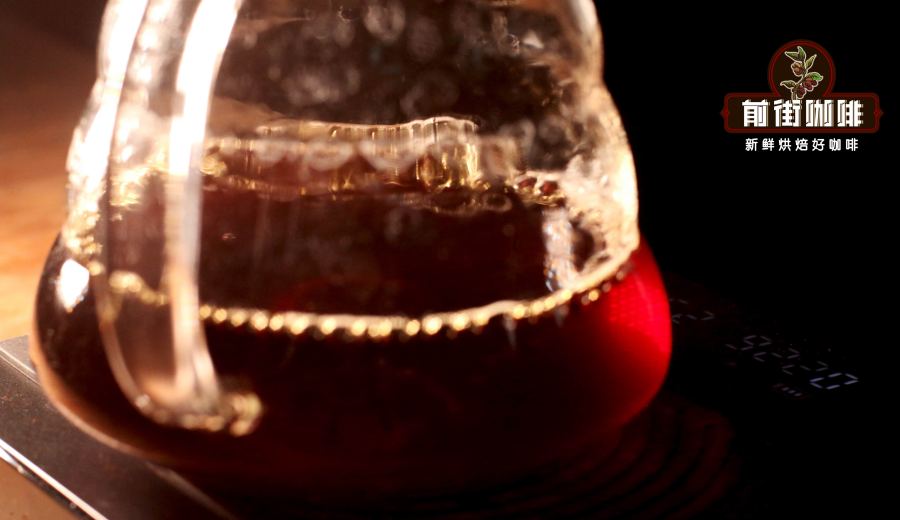
Introduction:Can dark roasted coffee beans be used for pour over? The answer is yes. As long as the correct extraction parameters are adjusted, they can still showcase their rich and captivating flavors. This article will delve into the characteristics of dark roast beans, compare the flavor differences among light, medium, and dark roasts, and provide detailed operational suggestions on key pour over factors—coffee-to-water ratio, extraction time, filter choice, and pouring technique—to help you consistently brew dark roast coffee with intense aroma and full body.
Can dark roasted coffee beans be used for pour over? The answer is yes, but compared to medium and light roasts, the brewing method required is quite different. To understand how to extract the rich and bold flavors of dark roast beans through pour over, we first need to start with the concept of "body."
Body refers to the sense of weight or texture perceived in the mouth when drinking coffee. It is not entirely synonymous with concentration, but the two are indeed closely related. When the coffee liquid is more concentrated, the mouthfeel naturally feels fuller; conversely, if it is too diluted, it can easily taste thin and weak. Dark roast coffee, due to its inherently looser bean structure, is more likely to release a rich and textured feel, which is one of the reasons it is suitable for specific pour over techniques.

Many people tend to think that dark roast is all about pursuing intense and heavy flavors, while also using high-temperature roasting to mask any potential off-flavors in the beans. With the rise of the specialty coffee trend, more and more consumers are turning toward regional characteristics, seeking clean, bright, and vibrant flavors with acidity and fruity notes, hence the growing preference for light roasts. However, dark roast still holds irreplaceable charm, especially for those who enjoy bold flavors.
Generally speaking, we often categorize coffee beans into three main roast levels: light, medium, and dark. Each roast level brings out distinctly different aroma and flavor profiles, and understanding these differences is the first step in choosing the right pour over method.

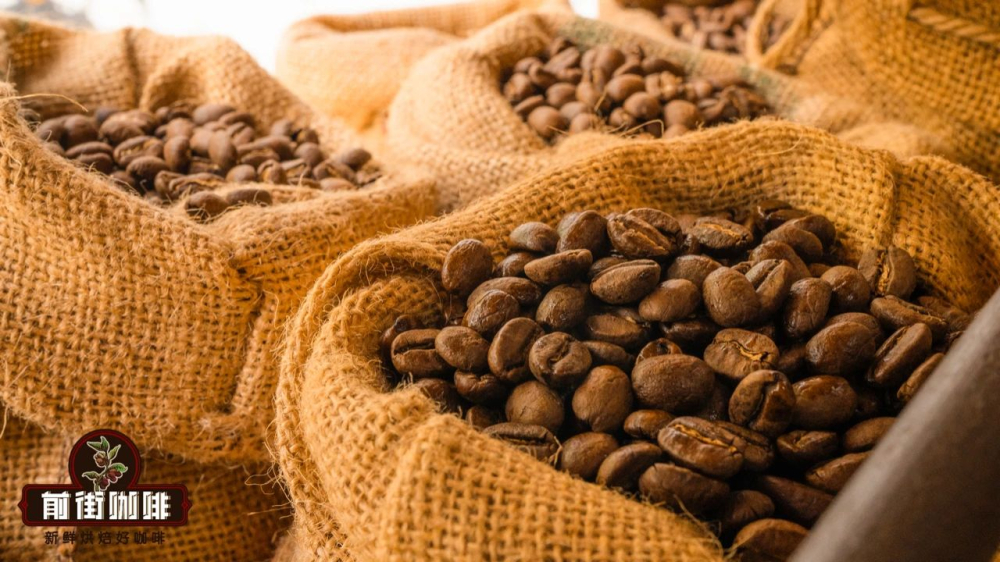
Light roasts often exhibit pronounced fruity acidity and floral-fruity aromas, making them suitable for those who prefer a refreshing taste, such as certain washed African beans. Medium roasts are dominated by nutty, caramel, and malt-like aromas, with balanced acidity and sweetness, and are common among many classic flavor beans. As for dark roasts, they are characterized by a rich chocolatey finish, low acidity, and noticeable but appealing bitterness, often accompanied by spicy, woody, and smoky notes, making them ideal for drinkers who enjoy bold flavors. Within this roast category, beans like PWN Golden Mandheling, Queen Estate, Jamaican Blue Mountain No.1, and Huila are widely praised dark roast options.
If you want to brew dark roast coffee using the pour over method, the following four key parameters must not be overlooked: coffee-to-water ratio, extraction time, filter choice, and pouring technique.
1. Coffee-to-Water Ratio: The Foundation for Controlling Concentration and Mouthfeel
When brewing dark roast beans using pour over, it is recommended to keep the coffee-to-water ratio between 1:14 and 1:15. If the ratio exceeds 1:15, the overall concentration drops, which can easily make the mouthfeel overly thin. Many experienced baristas suggest that if you want to consistently achieve a rich body, 1:15 is a relatively safe and beginner-friendly setting.
Of course, personal taste varies. If you feel the coffee is still too thin even at this ratio, you can further reduce the ratio to 1:13–1:14. But be cautious—too low a ratio, combined with improper extraction time, may also risk over-extraction. If the taste is unsatisfactory, it’s advisable to also check whether the extraction time is appropriate.
2. Extraction Time: A Key Factor Influencing the Completeness of Flavor Extraction
If, after adjusting the coffee-to-water ratio, you still find the coffee tasting too light, it may be due to under-extraction. In this case, observe the overall brewing time. For example, when using more than 15 grams of coffee beans, if the total extraction time is only around 1 minute and 30 seconds, it is likely that the grind size is too coarse, causing the water to pass through the coffee grounds too quickly and leading to incomplete extraction.
The solution is to adjust the grind to a finer setting, aiming for an extraction time between 2 and 2 minutes 30 seconds. This way, the aromatic compounds and body-enhancing components in the coffee can be more fully released, thereby improving the overall richness of the mouthfeel.
3. Filter Choice: Drip Design Determines Extraction Efficiency
When brewing dark roast beans using pour over, it is recommended to use a KONO filter instead of the commonly used V60. This is because the V60’s spiral rib design accelerates the flow of water, making it suitable for medium and light roasts to highlight complex and bright aromatic layers. However, dark roast beans have a relatively loose structure, and their inherent extraction efficiency is already quite high. Adding fast drainage can actually lead to under-extraction.
The KONO filter’s ribs are designed only at the bottom area, which effectively slows down the water flow and extends the contact time between the coffee grounds and water, achieving a more thorough immersion effect. This design helps enhance the expression of body-rich flavors and is one of the filters preferred by many professional pour over brewers for dark roast coffee.

4. Pouring Technique: Water Flow Direction Affects Extraction Evenness
Finally, and this is a detail many people tend to overlook—the direction of the water flow during pouring. It is recommended to avoid letting the water stream directly hit the walls of the filter during brewing. If the water continuously strikes the edges, it may flow directly to the bottom without being fully extracted, which not only dilutes the coffee flavor but also reduces the overall extraction rate.
The ideal pouring method is to use a center-circle motion, controlling the water flow to be steady and even in force, minimizing direct impact on the cup walls, ensuring that every part of the coffee grounds is evenly soaked and releases its flavors, ultimately resulting in a pour over coffee with a rich, full-bodied mouthfeel and distinct layers.
The above content is compiled by CoffeeHunters, a coffee news website.


