







Introduction:Do you think Americano is just espresso with water? What’s the difference between pour over and drip bags? This article delves into the historical origins of Americano coffee, compares the extraction differences between pour over, drip bags, and drip machines, and uses Yirgacheffe Red Cherry single-origin beans as an example. Through practical flavor tests, it helps you understand the characteristics of various brewing methods and find the coffee that suits your taste best.
Many people mistakenly believe that Americano is simply espresso with water added, but the cultural roots of Americano actually lie in the American tradition of drip coffee. This article starts with the origin of Americano, analyzes how it became popular in the United States, and explores the origins of Starbucks-style Americano. At the same time, we will compare the preparation methods and flavor profiles of three common types of black coffee: pour over, drip bags, and drip machines. Using Yirgacheffe Red Cherry single-origin beans (SOE) as an example, we will directly compare the flavor differences between pour over and Americano brewing methods, helping you better understand how to choose the coffee that suits you.
For regular coffee drinkers, the term “Americano” is certainly not unfamiliar. When you order an Americano at Starbucks, the barista typically uses espresso as the base and adds about six to eight times the amount of water. However, Italians don’t often drink this type of coffee—so why is it still on the Italian-style menu? Is Starbucks’ version considered authentic?
The so-called “Americano coffee” refers, as the name suggests, to a coffee drinking style with American characteristics. This name was not coined by Americans themselves, just as we wouldn’t call ourselves “foreigners.” American households commonly use drip coffee machines—one or even more per home—while fully automatic coffee machines are relatively rare. In American restaurants, what is called “coffee” is usually a large pot of black coffee brewed from a drip machine, which customers pour directly from a thermos, without much emphasis on origin or refinement. Since Americans drink coffee very frequently, often several cups a day, other countries eventually came to refer to this relatively light-tasting black coffee as “Americano.”
How did coffee become popular in the United States? As early as the early 17th century, with European immigrants arriving in North America, coffee and tea were also introduced. The British Puritans who fled to the New World had a strong temperance inclination and advocated replacing alcohol with tea and coffee, which gradually became part of daily life. The Boston Tea Party of 1773 further reinforced Americans’ preference for coffee, with the Continental Congress even declaring coffee the “national drink” of the United States.
So why do Americans particularly favor drip coffee? As an immigrant nation, the United States does not have a deep-rooted coffee culture burden, and its lifestyle tends to be free-spirited and casual, with more relaxed requirements for coffee preparation. Drip coffee is simple to operate, quick to brew, and has a low technical barrier, perfectly matching the American lifestyle that values efficiency and convenience.
Returning to the original question: why does Starbucks’ Americano use espresso with water added? This practice can actually be traced back to World War II. At that time, American soldiers stationed in Italy were unaccustomed to the strong taste of Italian espresso, so they poured the coffee into military canteens and diluted it with water. Italians, seeing this, ridiculed it, calling this watered-down coffee, as weak as dishwater, “what Americans drink.” Later, this method of diluting espresso with water came to be known as “Americano,” which is today’s “Americano coffee” in cafés. For a long time, American coffee had a reputation in other countries as tasting like “dishwater,” due to early Americans’ lack of emphasis on coffee quality, often treating it more as a mealtime beverage, resulting in less impressive flavors. However, it was on this foundation that Ms. Neslon of the United States first proposed the concept of “specialty coffee” in the magazine Coffee and Tea, which subsequently drove the third wave of coffee. Today, many industry standards are also set by the Specialty Coffee Association of America (SCAA).
Can single-origin coffee be considered Americano? In fact, although both hand pour single-origin and American drip machine brewing are filtration-based extractions with similar principles, their methods of operation are completely different. Hand pour relies on manually controlling water temperature and flow rate, while the American drip machine automatically injects water for extraction. It’s worth noting that traditionally, Americano coffee refers to “espresso with water added,” whereas the American drip machine directly brews coffee using coffee grounds and water, rather than diluting concentrated espresso. The reason it’s called “Americano” is because it uses equipment known as an “Americano coffee machine”—more accurately, it should be called “American black coffee.” Both hand pour single-origin and American coffee are types of black coffee, differing only in brewing method.
In addition, hand pour coffee also has a convenient portable form—drip bags. Drip bags package ground coffee in filter bags, requiring only hot water to brew, allowing you to enjoy hand pour flavors anytime, anywhere. Coffee beans from different regions and with different processing methods will exhibit distinctly unique flavor characteristics. For example, readers who enjoy floral notes can try the Panama Geisha drip bag, which is one of the higher-end specialty coffees; if you prefer a fresh and acidic taste, the brand’s Huakui drip bag coffee is a good choice, featuring tones of black tea and berries.
If you prefer coffee with a balanced taste, neither too acidic nor too bitter, Brazilian drip bags are recommended, as their flavor is mild and easy to drink; for coffee enthusiasts seeking a robust and full-bodied flavor, high-grade Golden Mandheling drip bags are a great option. These beans undergo multiple hand-sorting processes with an extremely low defect rate, offering clear aromas and noticeable aftertaste sweetness. The aforementioned drip bags are all available through regular retail channels.
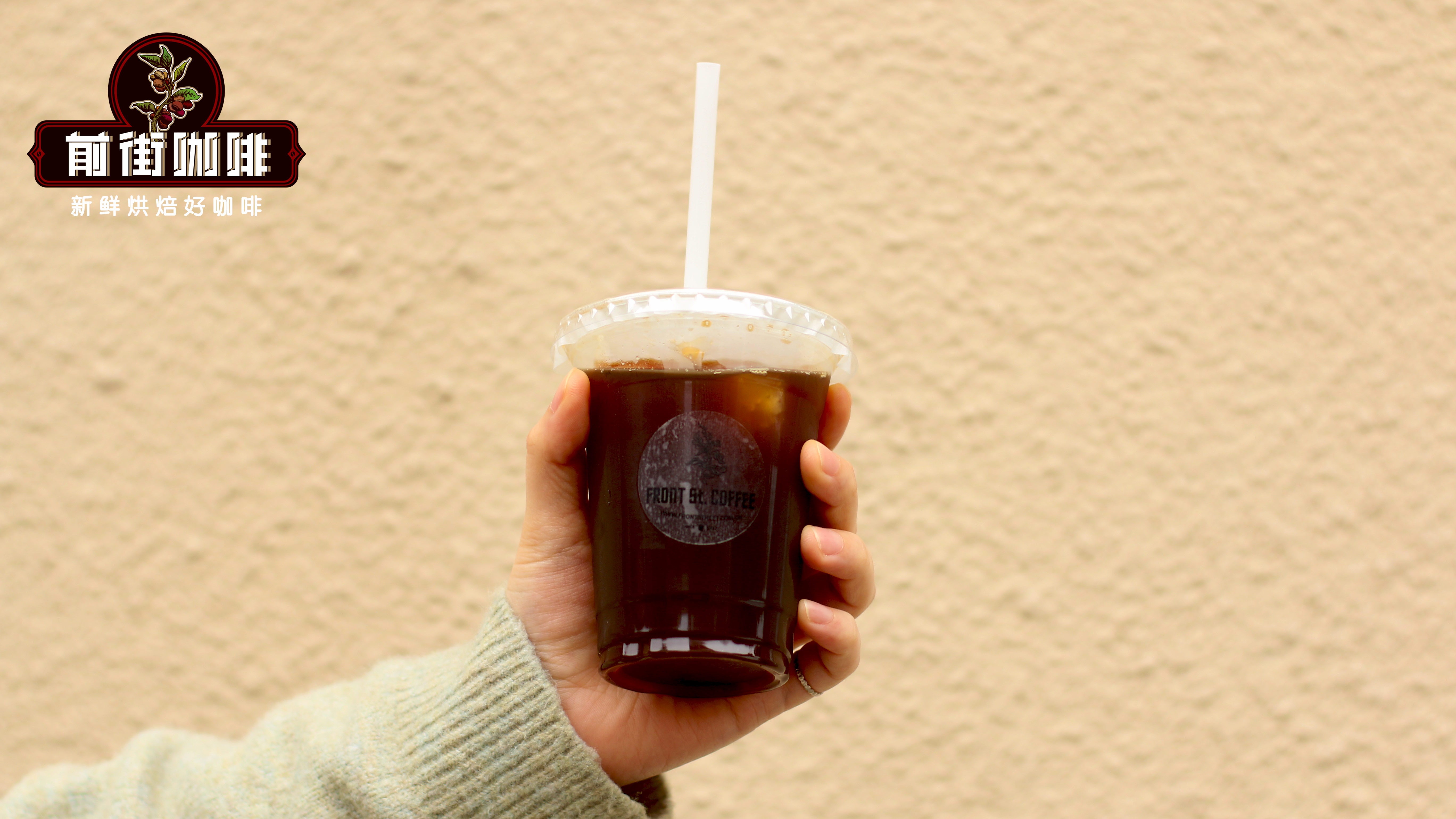
So, what exactly are the flavor differences between Americano and hand pour? We conducted a practical comparison test using the 【Yirgacheffe · Red Cherry】 single-origin bean.
Region: Yirgacheffe
Altitude: 1700 to 2200 meters
Variety: Heirloom
Processing Method: Natural (Sun-dried)
The SOE (Single-Origin Espresso) parameters made by this brand are as follows: 20g coffee dose, 40g yield, 26-second extraction time. Flavor profile: citrus, berries, fermented aroma, viscous mouthfeel, medium bitterness, medium-high acidity, with bright and lively acidity.
When the same SOE is made into an Americano, we use a ratio of 1:7 concentrated espresso to hot water—that is, 40ml of SOE concentrate plus 280ml of hot water. Its flavor description is: overall, it emits a rich fermented aroma, with gentle fruity acidity and citrus notes, a distinct cane sugar sweetness, and a tea-like finish.
Next, we brewed the sun-dried Red Cherry coffee beans using the pour over method. Using a Hario V60 filter, the water temperature was controlled at 90–91°C, with a 1:15 coffee-to-water ratio and a grind size as fine as sugar. The pour over steps are as follows: start with a 30g bloom for 30 seconds, then pour water in small circles up to 125g for the first pour, wait for the water level to drop, then continue pouring up to 225g before stopping, and finally remove the filter just before the water level exposes the coffee bed. Total extraction time is about 2 minutes. Flavor profile: intense fermented fruit and jasmine floral aromas, with sweet and sour notes of strawberry and berries upon entry, almond and cream flavors emerging in the middle, and an oolong tea-like aftertaste.
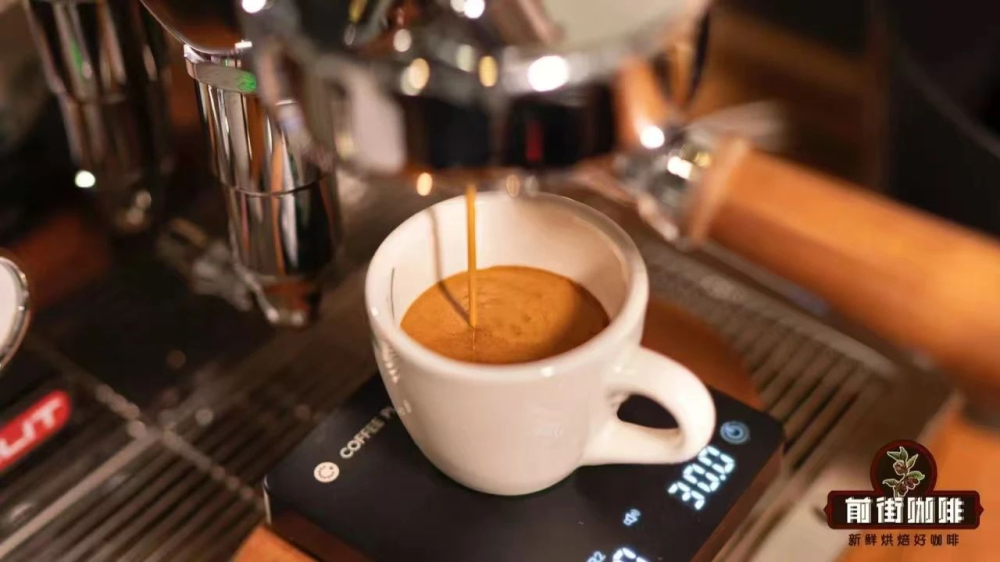
In summary, the SOE Americano made from sun-dried Red Cherry has a more pronounced sweetness and relatively balanced flavors, but the mouthfeel is thinner, with less layering compared to the pour over version; the pour over version, on the other hand, showcases a more distinctive personality, with diverse and layered flavors, as well as a richer mouthfeel. Through this test, you can gain a clearer understanding of how different brewing methods affect coffee flavor, and thus find the coffee experience that best suits your taste.
The above content is compiled by CoffeeHunters, a coffee news website.


