







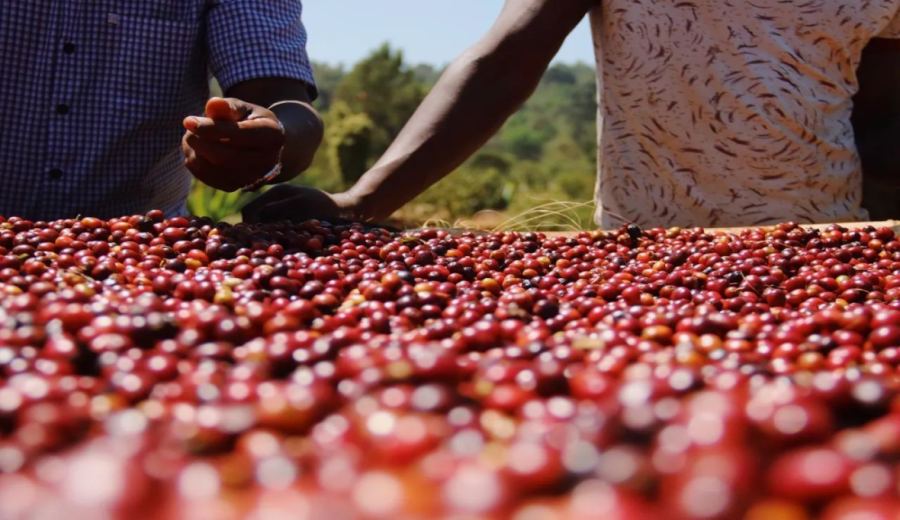
Introduction:As one of Ethiopia's most iconic specialty coffee regions, Yirgacheffe is renowned for its washed Heirloom variety beans, which boast bright acidity and delicate floral notes — making them a top choice for many coffee beginners. This article delves into the varietal characteristics of Yirgacheffe, explores the origins of its washed processing method, and provides an in-depth breakdown of the flavor profile of the beans from the Gedeo Cooperative. It also offers professional-grade pour over parameters and steps to help you extract the purest citrus tones and tea-like aftertaste.
Located in southern Ethiopia, Yirgacheffe was originally part of the Sidamo region but gained independent status due to its distinctive washed processing flavors. Most of the coffee beans produced here belong to what is locally referred to asthe Heirloom variety— a term in the coffee world that means “ancient cultivars passed down through generations,” and actually encompasses thousands of ungenotyped Arabica variants.
The uniqueness of the Heirloom varietylies in its diverse genetic pool. These varieties have evolved independently on the Ethiopian highlands for generations, typically yielding small, irregularly shaped beans, usually between 14–15 mesh sizes. Due to the lack of large-scale commercial breeding, these beans rely on generational farming knowledge, often expressing pronounced floral notes, citrus tones, and honey-like sweetness — making them an excellent entry point for specialty coffee enthusiasts exploring terroir.
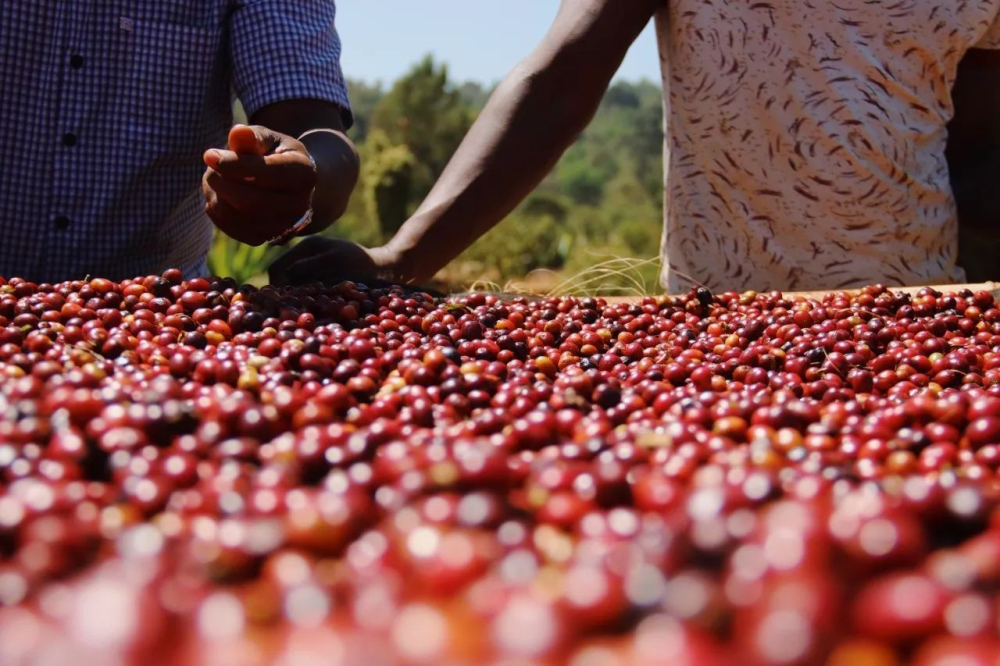
Ethiopia boasts the richest coffee genetic diversity in the world, but due to its fragmented terrain and complex varietals, the local government has chosen to classify these unsorted varieties collectively as Heirloom. This approach both protects indigenous genetic resources and preserves the distinctiveness of the region. The washed Yirgacheffe beans produced here stem from this background, characterized by their bright lemony acidity and tea-like, refreshing finish — a stark contrast to the bitter and heavily roasted coffees of tradition.
The rise of the Yirgacheffe region is inseparable fromthe popularization of washed processing techniques.Compared to the traditional natural (sun-dried) method, which involves directly drying the whole coffee cherry, washed processing relies on a stable water supply and precision equipment. By removing the pulp, fermenting to remove mucilage, and washing the beans, it achieves a more precise preservation of the bean’s inherent flavors. Thanks to its proximity to large lakes, the Yirgacheffe area enjoys an abundant supply of spring water, andthe natural hydrological conditions of the Gedeo zoneprovide an ideal environment for washing stations.
Located southeast of Yirgacheffe,the Wolkite regionis a standout among the many micro-regions. Among them, theGedeb Cooperativeis made up of around 300 farmers and focuses on producing high-quality washed Yirgacheffe. Established in 2012, the cooperative quickly gained market recognition for its beans’ distinctive bright acidity and berry-like profiles, becoming a benchmark producer in the area.
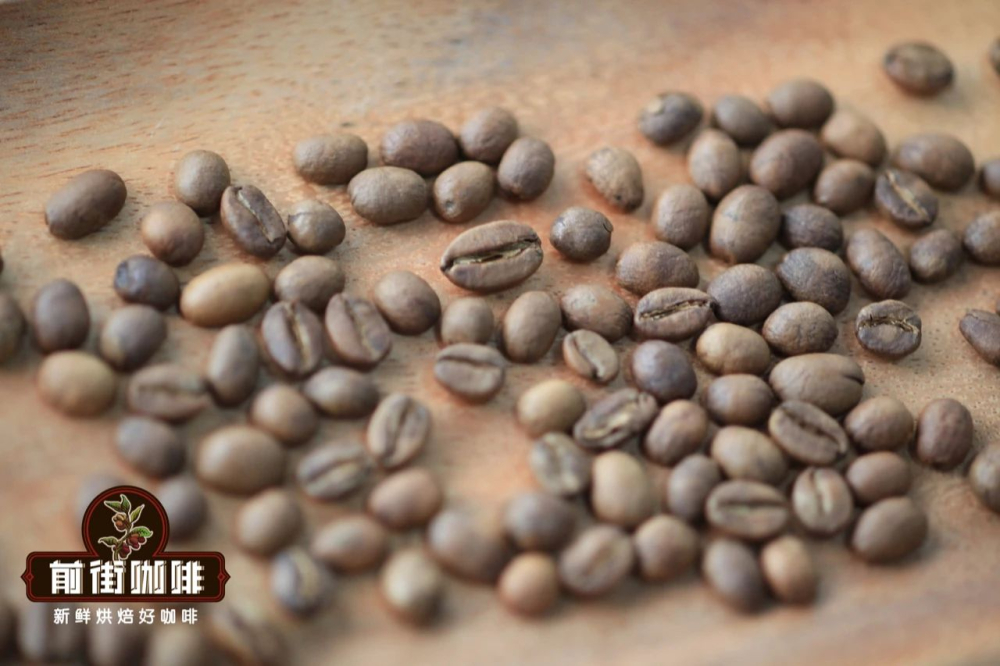
The coffee beans from the Gedeb Cooperative are grown ataltitudes of 1900–2000 metersand are of the typical Heirloom variety. Processed via the washed method, they highlight vibrant citrus and white floral notes. Such beans often present layered cupping notes of jasmine, lemon, and green tea during evaluation, paired with delicate tea-like body and a clean finish — making them an ideal choice for pour over enthusiasts.
For beginners,pour over is the brewing method that best highlights the flavors of Yirgacheffe.It is recommended to use freshly roasted beans (with the optimal tasting window being 4–7 days post-roast), paired with a V60 filter cone and medium-light roasted beans. Specific parameters can be referenced as follows: 15g coffee dose, 92–93°C water temperature, 1:15 coffee-to-water ratio, and a grind size roughly equivalent to 78% extraction through a #20 sieve (similar to granulated sugar).
In practice, start by pouring 30g of hot water for a 30-second bloom to activate the coffee’s aromatic release; then proceed with two pours totaling 195g of water (first pour: 95g, second pour: 100g), keeping the total extraction time within1 minute 35 seconds to 2 minutes 10 seconds.These parameters balance acidity and sweetness while avoiding overly sharp bitterness caused by over-extraction.
The resulting Yirgacheffe pour over coffee delivers an initial burst of bright lemon and citrus acidity, accompanied by jasmine floral notes and a refreshing green tea layer. As the temperature drops, berry-like flavors and creamy sweetness gradually emerge, with an aftertaste that carries a sugarcane-like smoothness and a lasting clean sensation. This flavor combination has made Yirgacheffe a “classic entry-level” coffee highly recommended by many baristas.
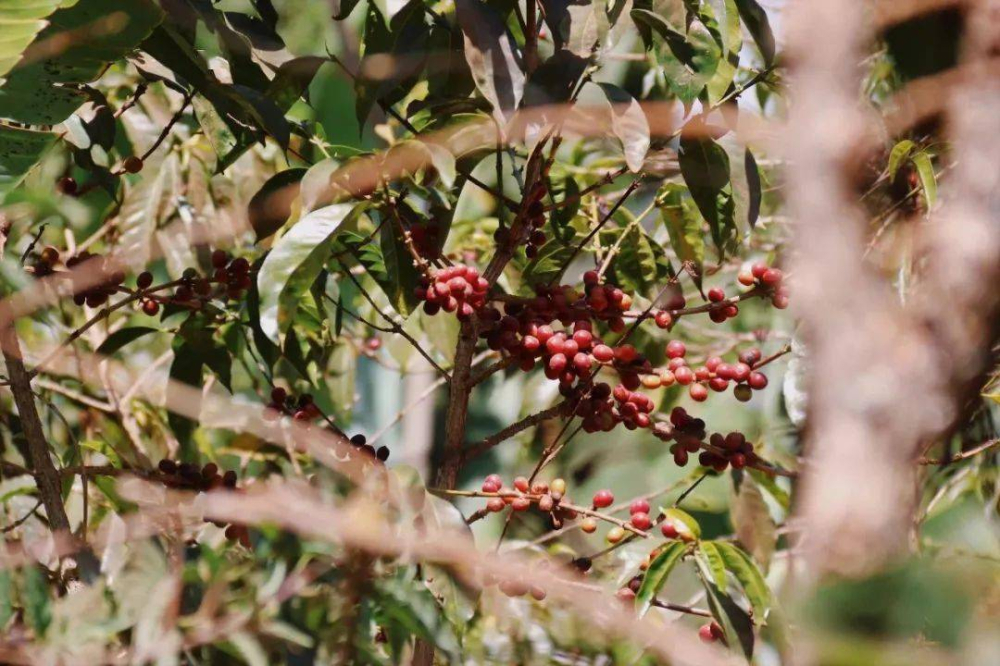
In summary, the charm of Yirgacheffe washed beans lies in theirdistinct regional character and the advantages of their processing method.From the diverse genetics of the Heirloom variety, to the refined flavor extraction achieved through washed processing, and to the meticulous control offered by pour over techniques — each step influences the final cup profile. Whether you’re pursuing bright fruity American-style coffee or aiming to explore the essence of Ethiopian coffee, this bean is an unmissable choice.
The above content is compiled by CoffeeHunters, a coffee news website.


