







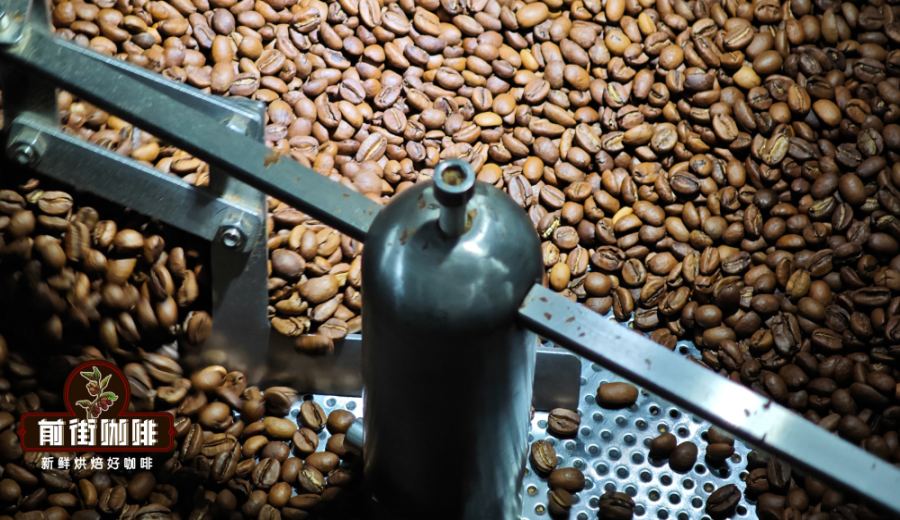
Introduction:Understanding the difference between medium roast and dark roast lies in the Maillard reaction and caramelization that occur during the roasting process. These two key chemical reactions not only shape the color, aroma, and sweetness of the coffee, but also directly influence its mouthfeel and body. This article delves into how these two reactions affect coffee flavor, and recommends three classic medium-dark roast coffee beans, along with practical pour over parameters and techniques to help you explore the deeper mysteries of coffee.
During high-temperature roasting, green coffee beans release captivating aromas and flavors through a series of chemical reactions. Among them, the Maillard reaction and caramelization are two core mechanisms that not only change the appearance and color of the beans, but also play a decisive role in the final flavor profile. This article will explore in depth how these two reactions influence coffee characteristics, and for readers who enjoy pour over or home roasting, it selects three noteworthy medium-dark roast beans, providing detailed flavor descriptions and practical extraction parameters.
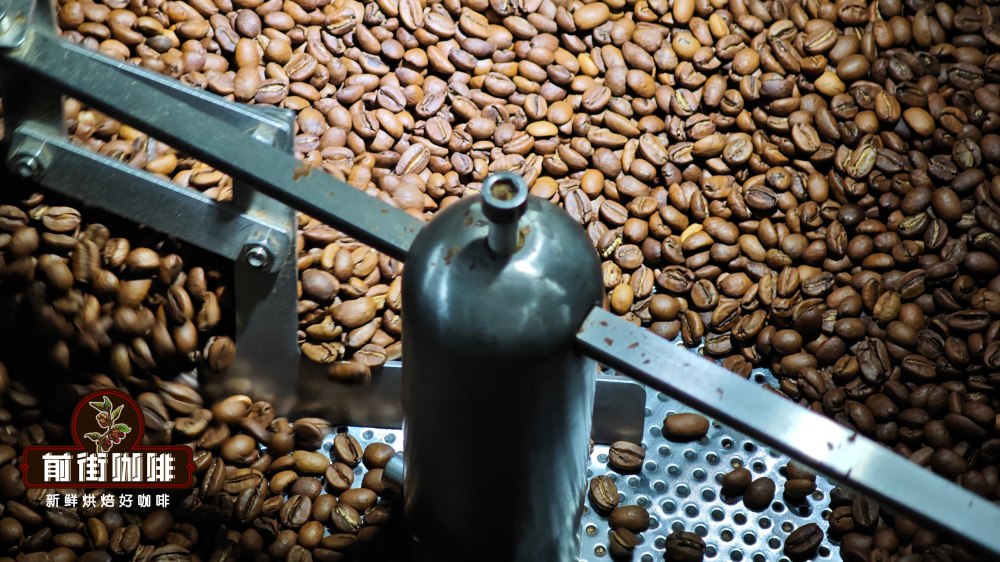
The Maillard reaction typically begins when the roasting temperature reaches around 150°C. At this point, amino acids and reducing sugars in the coffee beans react chemically under heat, producing compounds such as melanoidins. These substances not only give the beans a deep brown appearance, but also directly affect their flavor complexity and body. This reaction is highly sensitive to temperature and time—even slight changes can lead to vastly different flavor outcomes. For example, if the Maillard reaction goes on for too long, it may degrade some of the fruit acids and sweet precursor compounds, resulting in a dull and heavy mouthfeel. Conversely, if well controlled, it can preserve more bright acidity and fruity notes. Many professional roasters adjust the heat and holding time at this stage based on the bean variety to highlight its unique character.
Next comes caramelization, which generally occurs at temperatures above around 170°C. In this stage, complex carbohydrates in the coffee beans gradually break down into simpler sugars, thereby enhancing the bean’s natural sweetness. At the same time, this reaction also promotes the formation of familiar aromatic molecules such as caramel, cream, and almond, adding rich layers of aroma to the coffee. Caramelization continues until the end of the roast and is crucial for the integrity of the final flavor. Therefore, mastering the balance of these two reactions within the roasting curve is foundational for any coffee enthusiast aiming to understand flavor origins.
According to industry experience, the quality of the green coffee bean itself accounts for about 70% of the overall flavor, the roast level contributes about 20%, and the brewing method makes up around 10%. This also explains why the same coffee bean can display drastically different personalities under different roast levels. For instance, medium roast is usually dropped during the “first crack intensifies to first crack ends” phase. At this stage, the beans exhibit a gentle chestnut color on the surface, with balanced acidity and bitterness, clear aromas, making it one of the most suitable roast profiles for showcasing the bean’s original traits—and a favorite among many pour over enthusiasts.
Below are three classic representatives of medium-dark roast flavors, each showcasing distinct regional characteristics and processing method profiles:
1. PWN Golden Mandheling Coffee Beans
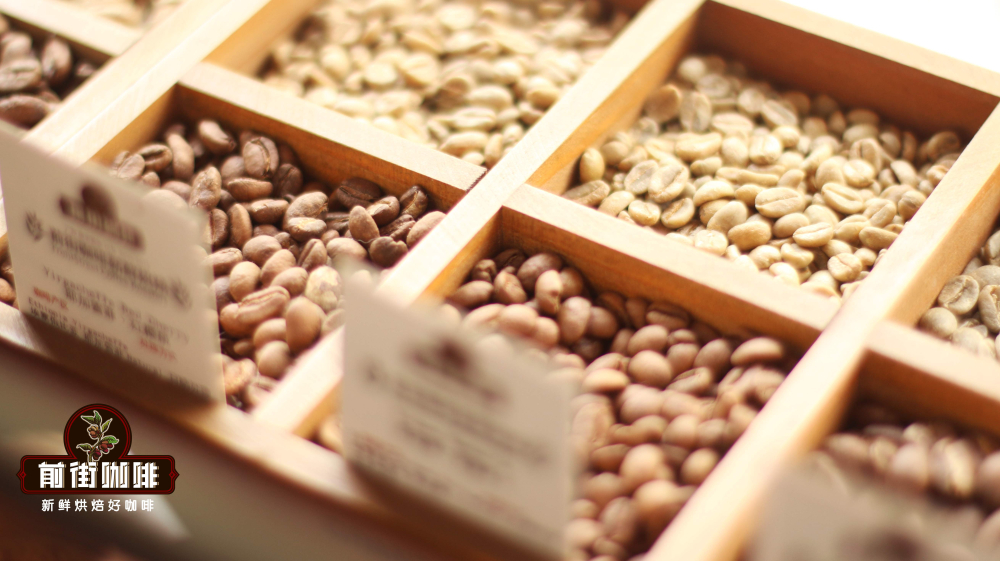
Region/Processor: PWN Company, Aceh Region, Sumatra, Indonesia
Growing Altitude: 1100–1600 meters
Processing Method: Wet-Hulled
Variety: Ateng
Flavor Characteristics: This bean exhibits a rich yet clean profile, with pronounced notes of nuts, caramel, and chocolate. The aftertaste is long, balanced, and full-bodied, making it ideal for those who prefer low acidity and a heavier mouthfeel. It is commonly used to produce pure black coffee or as a classic blend base.
2. Jamaican Blue Mountain No.1 Coffee Beans
Region/Estate: Clifton Estate, Blue Mountains, Jamaica
Growing Altitude: 1310 meters
Processing Method: Washed
Variety: Typica
Flavor Characteristics: Blue Mountain No.1 is known for its mild and balanced taste, with almost no sharp acidity. Its chocolatey sweetness stands out, and the body is excellent. The balance between acidity, bitterness, and sweetness is perfectly harmonious, and the aftertaste carries a soft fruity note. It is considered a dream coffee by many enthusiasts.
3. Brazilian Cerrado Red Bourbon Coffee Beans
Region: Brazilian Cerrado
Growing Altitude: Approximately 1000 meters
Processing Method: Semi-Washed (Pulped Natural)
Variety: Red Bourbon
Flavor Characteristics: This coffee showcases the classic Brazilian trait of balance, with nutty tones and pronounced chocolate aromas as the main features, complemented by gentle cane sugar sweetness. The overall profile is mild yet layered, making it suitable for use as a blend base or everyday drinking bean.
For medium-dark roast coffee beans, the following pour over parameters are recommended to fully bring out their flavor potential:
Recommended Pour Over Parameters
Coffee Dose: 15 grams
Coffee-to-Water Ratio: 1:15
Water Temperature: 86°C
Grind Size: Medium-Coarse (recommended to use a #20 sieve, with about 75% passing rate)
Filter: KONO Filter
Pour Over Steps and Techniques
1. Pre-wet the filter paper and discard the pre-soak water.
2. After adding the coffee grounds, perform a 30-second bloom by pouring about 30 grams of water.
3. Then, pour water in a circular motion centered on the grounds up to 125 grams. Once the water level drops by about half, continue pouring to reach a total of 225 grams.
4. Keep the total extraction time around 2 minutes and 10 seconds, adjusting grind size or water flow speed as needed.
Mastering these basic principles and practical techniques—whether you're a beginner just starting with pour over or an enthusiast eager to delve deeper into roasting science—can offer valuable insights for all.
The above content is compiled by CoffeeHunters, a coffee news website.


