







Introduction:Brazil is the world’s largest coffee-producing country, but do you know why its coffee is both consistent and often considered to have limited flavor diversity? This article takes an in-depth look at two renowned Brazilian coffee regions: the Cerrado of South Minas and Fazenda Rainha in Mogiana. We explore aspects such as altitude, variety, processing methods, and Brazil’s unique three-tier grading system to help you fully understand the diverse potential of Brazilian coffee. Practical pour over parameters and flavor profiles are also provided to enhance your tasting and selection experience.
When it comes to global coffee production, Brazil is undoubtedly the leader, consistently ranking first in output. Yet, the coffee styles of this South American giant present a stark contrast: on one hand, there are large-scale, mechanically produced commercial beans, and on the other, specialty-grade coffees that have gained recognition in COE competitions. The industry selects only two Brazilian beans—both online and offline—not merely for market positioning, but out of a commitment to showcasing “terroir.” Their goal is to highlight the unique character of each producing region rather than repeating a single flavor profile. Therefore, we will explore the diversity and evolution of Brazilian coffee through these two representative beans: the Cerrado everyday bean and the Fazenda Rainha bean.
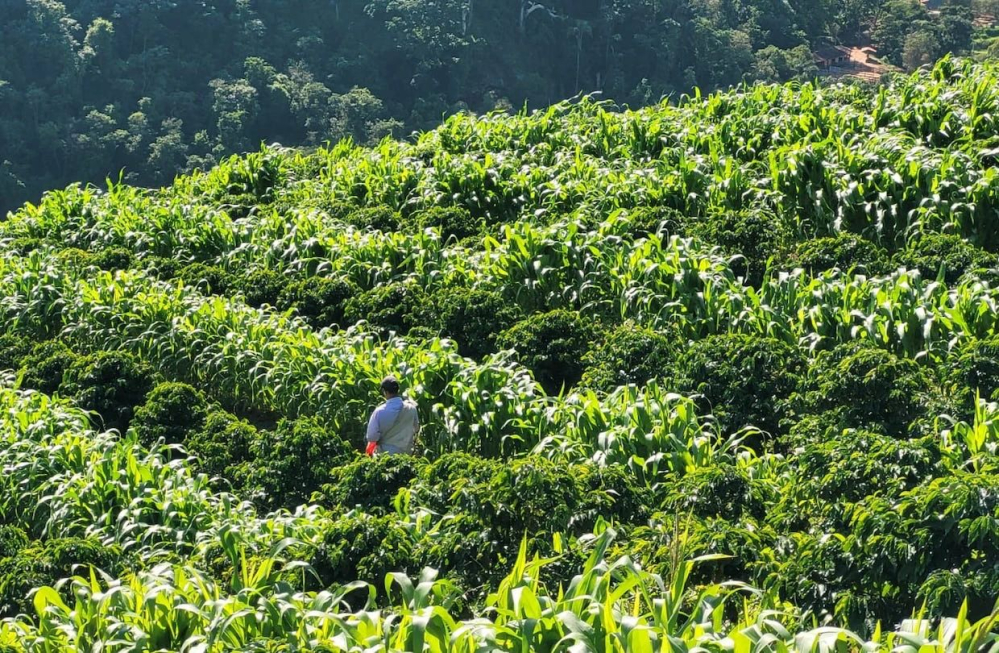
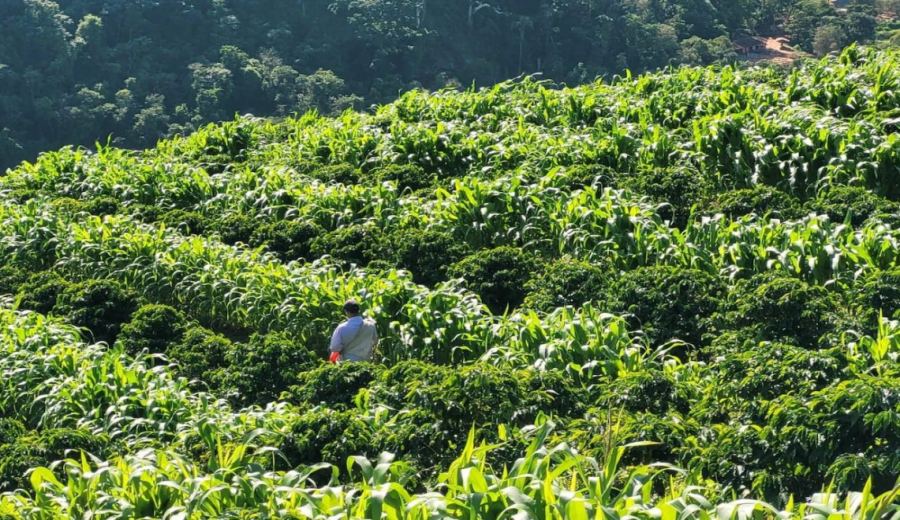
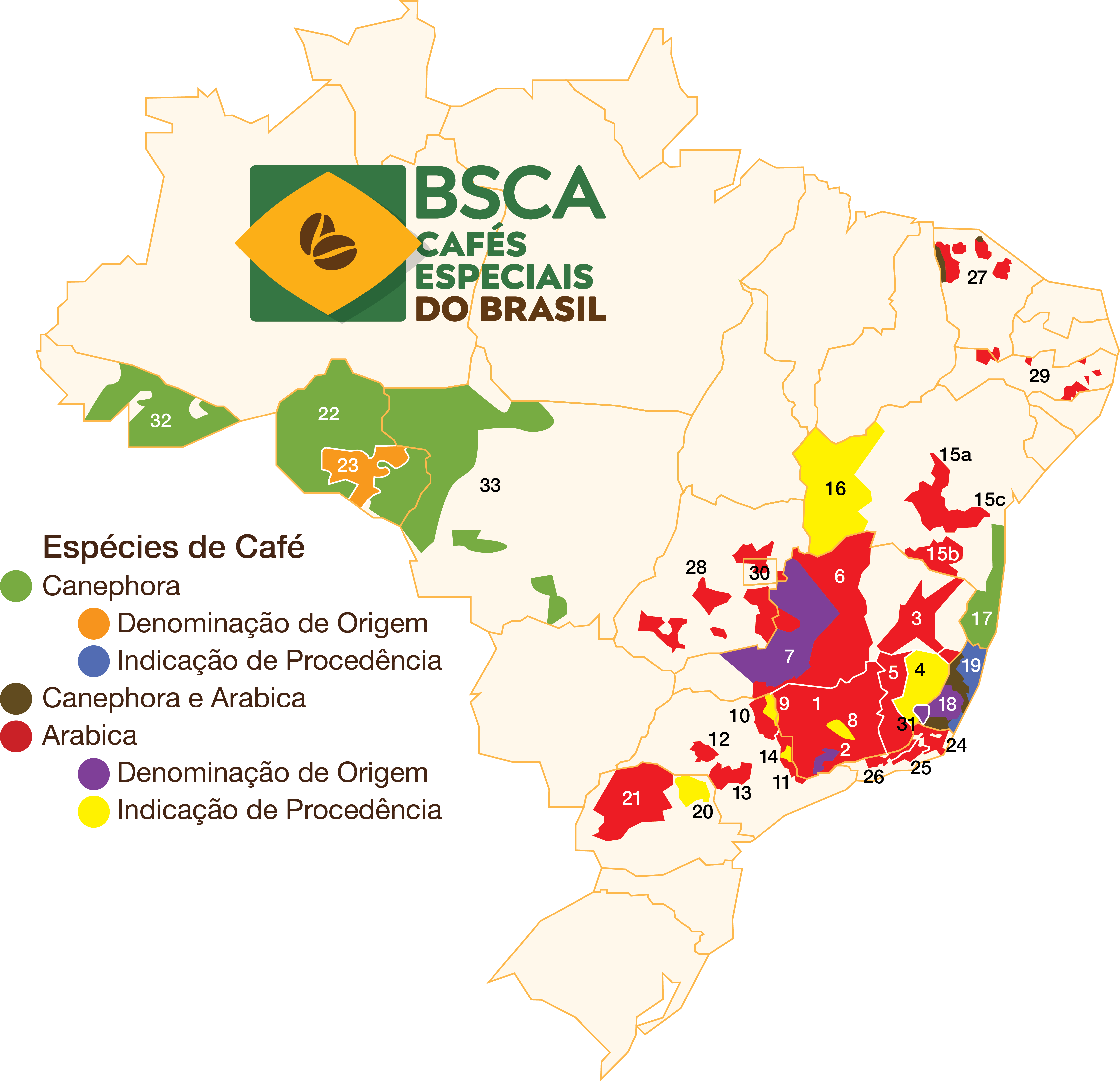
First up is the ‘Brazil Cerrado Coffee Bean.’ Grown in the South Minas region of Minas Gerais state, this coffee is of the red Bourbon variety cultivated at high altitudes of around 1,000 meters. While both South Minas and Cerrado are part of Minas Gerais, their terrains differ slightly: Cerrado is a gently rolling plateau between 750 and 1,200 meters, whereas South Minas consists of undulating hills ranging from 700 to 1,200 meters. Notably, South Minas is chosen as an everyday bean largely due to its stable yield and its track record of winning awards at Brazil’s Cup of Excellence.
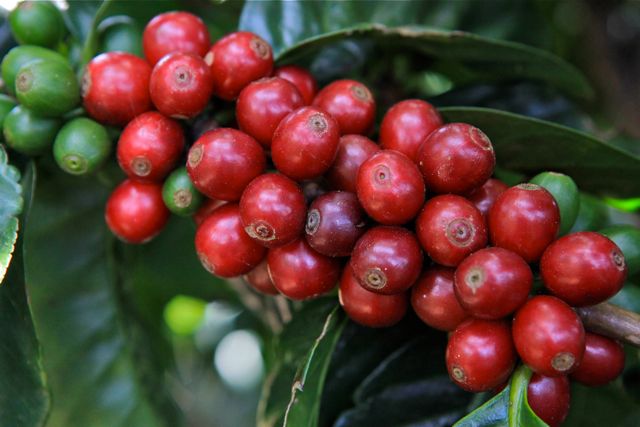
This coffee uses the red Bourbon variety, characterized by its round bean shape and ripe wine-red fruit. The high-altitude environment bestows it with richer aromas and brighter acidity, often featuring a wine-like finish. Its processing method is pulped natural (semi-washed), an innovative technique originating in Brazil in the 1990s that addresses the issues of traditional natural processing—namely susceptibility to weather, and the potential for moldy or earthy flavors. In pulped natural processing, after removing the skin and pulp, the mucilage is retained and the beans are directly sun-dried. This not only shortens the processing time but also allows better control over fermentation, thereby improving the coffee’s cleanliness and flavor consistency.
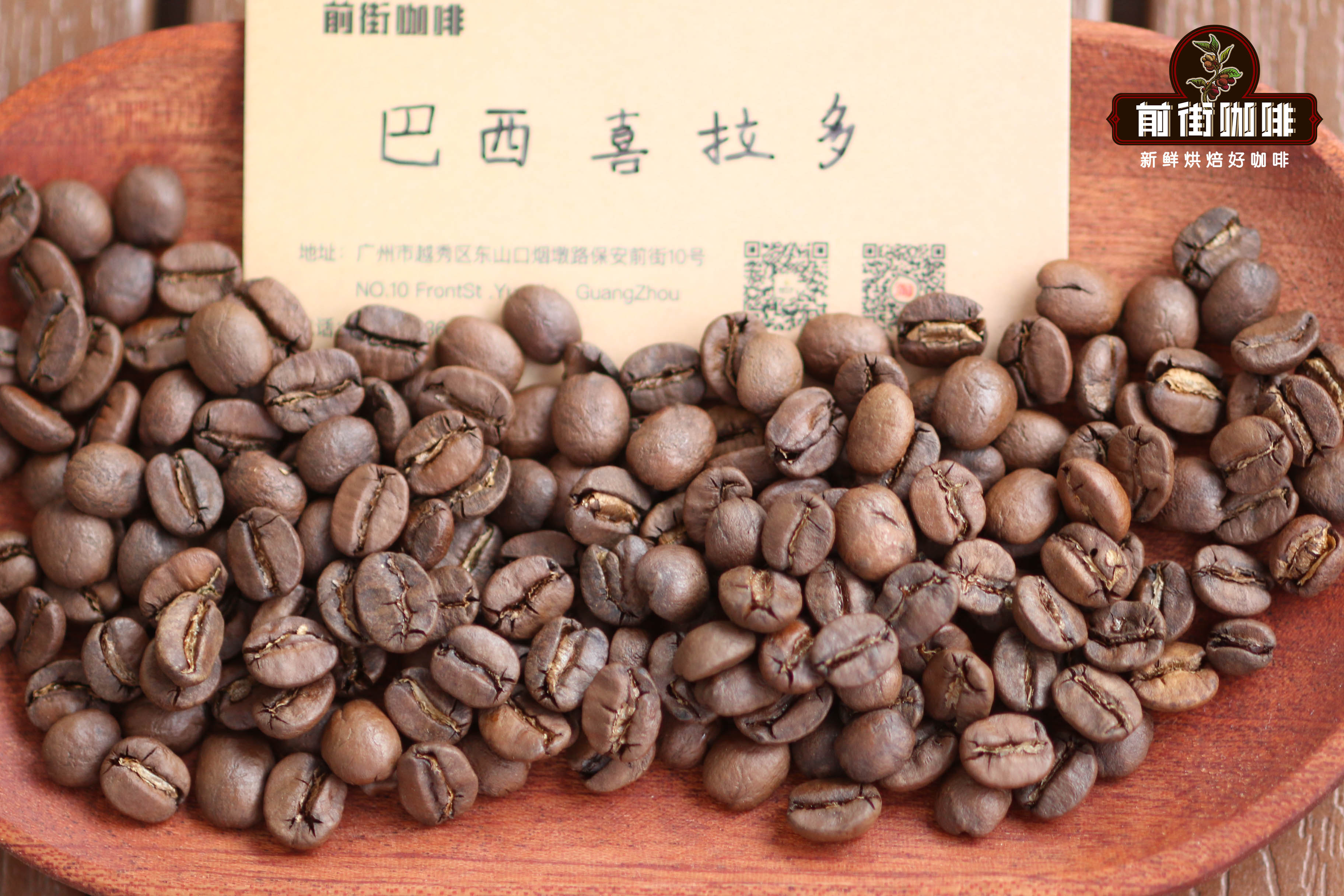
Another advantage of the pulped natural method lies in its sorting efficiency: since unripe green cherries are more difficult to process during depulping, this helps eliminate suboptimal fruits, resulting in greater uniformity in bean maturity before roasting. Although the Cerrado region predominantly uses traditional natural processing, this red Bourbon is processed via pulped natural to bring out more pronounced fermented aromas while preserving the region’s stable, full-bodied base flavors. The final cup profile typically highlights notes of nuts, chocolate, cream, peanuts, and caramel, with a warm and smooth flavor direction.
In addition to Cerrado, another recommended Brazilian specialty coffee is the ‘Fazenda Rainha Coffee Bean’ from the Mogiana region. Located near the southern part of Minas, this area features varied terrain where coffee is grown among shrubs and native vegetation, blending modern farming techniques with local traditions to create a distinctive flavor profile. This coffee is of the yellow Bourbon variety, cultivated at elevations between 1,400 and 1,950 meters, representing high-altitude, fine cultivation.
Yellow Bourbon is a relatively rare variety, with bright yellow fruit when ripe—unlike the common red. This variety was first discovered in Brazil in the 1930s and is believed to be a spontaneous mutation resulting from a cross between the red-fruited Bourbon and a yellow-fruited Typica variant (Amerelo de Botocatu). Yellow Bourbon usually yields less and is more sensitive to environmental conditions, but under high-altitude conditions, it can deliver exceptional sweetness and delicate flavor layers. Fazenda Rainha employs refined sun-drying processing, which differs from the coarse, large-scale methods. Refined sun-drying involves stricter fruit selection and controlled temperature and humidity during drying to ensure quality and consistency.
It’s worth noting that Brazilian coffee packaging often displays a set of codes, such as ‘Brazil NY.2 SC – 17/18 FC,’ which refers to Brazil’s unique three-tier grading system. Due to its vast growing regions and huge production volume, Brazil has developed a cupping-based grading system to ensure export quality. This grading evaluates beans based on three criteria: defect rate, bean size, and cup quality.
First is the defect rate grading, using a ‘deduction method’—that is, counting the number of defective beans in every 300 grams of green coffee. There are seven grades ranging from No.2 to No.8. Those with deductions within 4 points are classified as No.2, widely recognized as a high-quality grade. Though No.1 theoretically indicates zero defects, its rarity and unstable supply mean that No.2 effectively becomes the top-tier classification. The second criterion is bean size, screened using 1/64-inch mesh, commonly ranging from 14 to 20 screens, with 17/18 screens considered the best, indicating full and uniform beans. Finally, cup quality assessments include terms like Fine Cup (FC) and Good Cup (GC) to indicate the excellence or otherwise of the flavor profile. Many exporters also note processing methods and farm information, helping consumers anticipate flavor characteristics.
In the past, Brazilian coffee was often criticized for prioritizing quantity over quality, sometimes even containing foreign matter, leading to its reputation as “low-grade beans.” Coffee exported from the port of Rio de Janeiro, in particular, was once dubbed “Rio beans” due to its unfavorable flavor. However, with the promotion of COE competitions and the establishment of a grading system, Brazilian coffee has gradually shed its outdated image, revealing a diverse and high-caliber potential. As a result, Brazilian coffee today is no longer just a symbol of commercial bulk, but also an indispensable part of the specialty coffee landscape.
Finally, to help you fully experience the unique charm of these two Brazilian coffees at home, here are the recommended basic pour over parameters, suitable for most V60 users:
Brewing suggestions:
Filter: V60
Coffee dose: 15 grams
Water temperature: 90°C
Grind size: Medium (approximately 70% through a #20 sieve)
Coffee-to-water ratio: 1:15
Steps:
1. Start by pouring hot water equal to twice the coffee dose (about 30 grams) to bloom, for about 30 seconds.
2. Then pour water in small circular motions, adding water up to 125 grams for the first pour. Wait for the water level to drop slightly, then continue pouring to reach 225 grams to complete the extraction.
3. Keep the total brewing time around 2 minutes.
Once brewed, the Cerrado coffee typically exhibits a distinctly sweet and smooth mouthfeel, with flavor notes of nuts, almonds, peanuts, and chocolate. It presents a clean cup with low acidity. The Fazenda Rainha, on the other hand, offers a fuller body, with sugarcane-like sweetness highlighting notes of almond and cocoa. It’s a specialty coffee with rich flavor layers and a sweet lingering finish. Through these two beans, you’ll gain deeper insight into Brazilian coffee’s journey from consistent bulk production to refined diversity.
The above content is compiled by CoffeeHunters, a coffee news website.


