







Introduction:Dive into the differences among the world’s three major coffee species—Arabica, Robusta, and Liberica—and focus on the unique flavor profile of the Typica variety from Jamaica Blue Mountain. This article not only explores their botanical backgrounds and ideal use cases but also provides practical pour over and espresso brewing parameters to help you make smarter coffee choices based on your taste preferences.
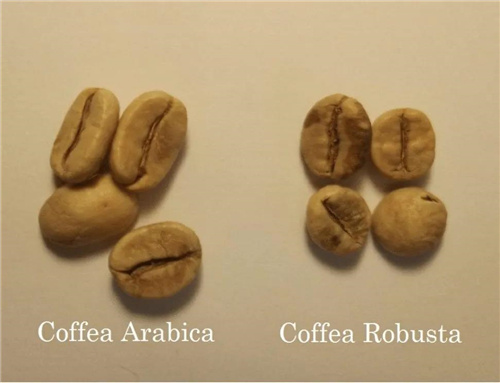
From a botanical classification perspective, coffee varieties can be broadly divided into three main species: Arabica, Robusta, and Liberica. These three play distinctly different roles in the global coffee supply chain, with Arabica and Robusta being the market leaders, accounting for over 90% of consumption combined. Liberica, on the other hand, is less known to the public due to its scarce production, high cultivation difficulty, and relatively unstable flavor performance.
Generally speaking, Arabica varieties are commonly found in specialty and single-origin coffees because they offer a richer aroma profile and softer acidity, making them suitable for consumers who seek delicate flavors. In contrast, Robusta is widely used in instant coffee or espresso blends due to its higher caffeine content and bold bitterness. However, this classification is not absolute—flavor preferences vary from person to person, and choosing a coffee that suits your own taste is key.
In terms of regional consumption habits, consumers in the United States and Japan tend to prefer the light and balanced flavors brought by Arabica, while the European market favors blends of Arabica and Robusta to produce strong and rich espresso. Understanding these differences can help you choose the most suitable type of coffee based on your daily drinking scenarios and taste preferences.
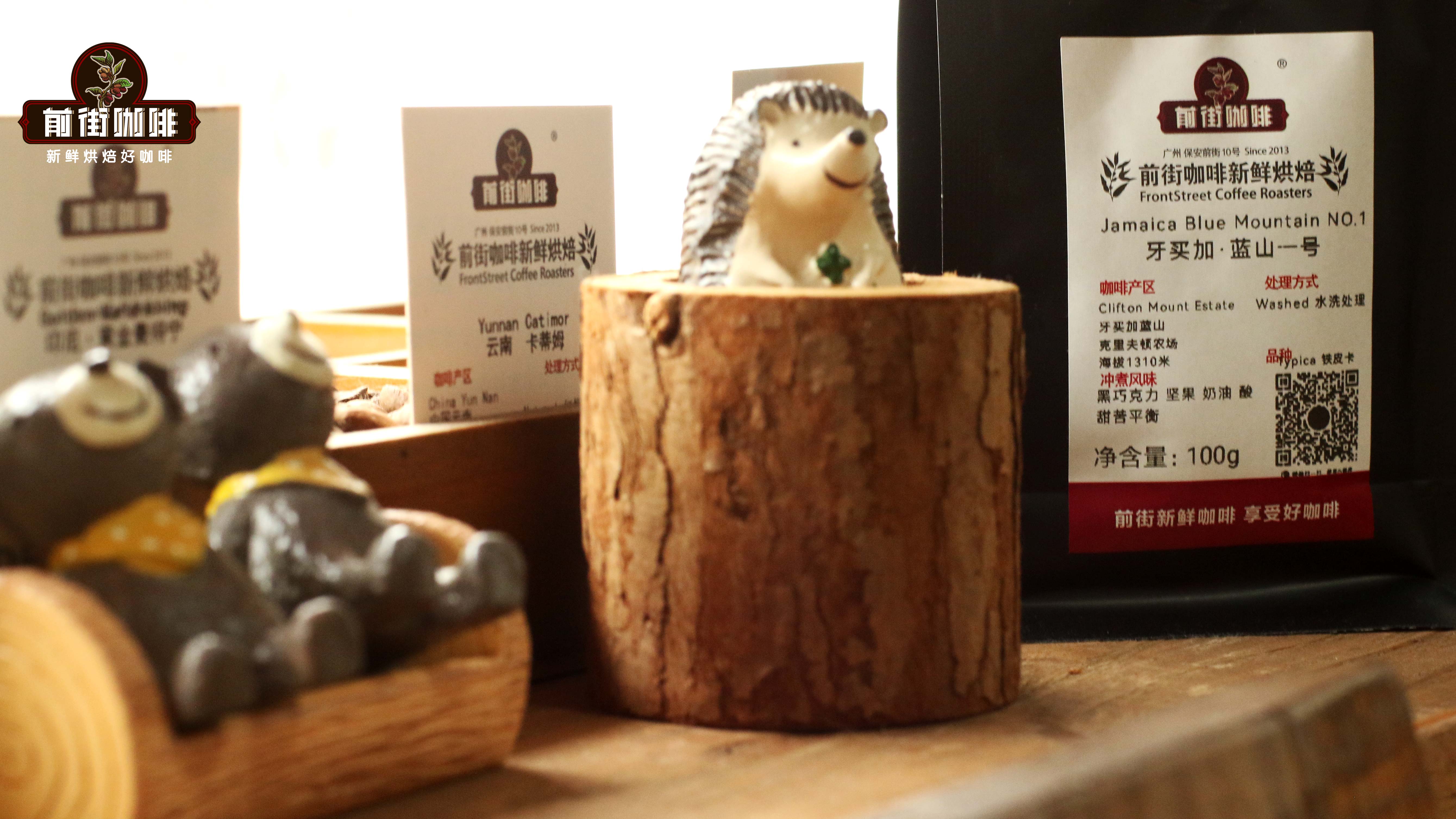
Among the three species, Jamaican Blue Mountain coffee belongs to the Typica variety within the Arabica family. This variety has a long history and was once widely planted across Central and South America. However, due to its extreme sensitivity to coffee leaf rust, it has been gradually replaced by more disease-resistant varieties in many regions. Nevertheless, Jamaica’s unique geographical and climatic conditions allow Typica to grow stably there, with relatively manageable issues of coffee leaf rust, contributing to the distinctive status of Blue Mountain coffee.
Jamaican Blue Mountain does not possess the absolute altitude advantage of other well-known high-elevation producing regions, so its flavor is not characterized by intense bright acidity. Instead, it exhibits a mild and low-acid quality. Even though the growing soil is of the mineral-rich volcanic rock type, it does not impart the same high acidity and brightness as other high-altitude coffees. On the contrary, the body of Blue Mountain coffee is of medium level, leaning more toward what could be described as “mellow richness,” with an overall performance that is balanced and refined.
Taking the well-known Blue Mountain No. 1 as an example, this bean is medium-dark roasted, successfully blending a diverse range of flavors including acidity, sweetness, bitterness, umami, and aroma. Its flavor profile is dominated by notes of nuts, cookies, cream, chocolate, and caramel, making it a versatile coffee suitable for various brewing methods.
If you enjoy pour over coffee, Blue Mountain No. 1 can demonstrate excellent balance, with clear layers and a smooth mouthfeel. If you opt for immersion brewing methods, such as using a French press, it can better highlight its gentle and mellow richness. In terms of espresso extraction, using a moka pot or making espresso can produce rich crema and an enticing roasted aroma, making it a hidden gem choice for many coffee enthusiasts.
It is worth mentioning that Blue Mountain No. 1 is also suitable for making espresso, also known as “Blue Mountain SOE.” The recommended extraction parameters are as follows: for single-shot extraction, use about 13.5 grams of coffee, with tamping pressure controlled at around 25 kg/m² (if using a calibrated tamper, the pressure is more consistent). The grind size is suggested to be set at #1.9, close to the coarseness of table salt. The target brew weight is 20 grams, with a time of around 27 seconds. For double-shot extraction, use 20.5 grams of coffee, aiming for 40 grams of brew weight in about 26 seconds (single-shot capacity is up to 14 grams, double-shot is 22 grams).
Due to the high freshness of the beans, the crema displays a medium golden-yellow hue, with very noticeable caramel aroma. When tasting, you first perceive a gentle fruit acidity, followed by a gradually emerging sweetness, and the finish carries a rich chocolate and brown sugar flavor. The overall profile is very harmonious.
If you prepare this Blue Mountain espresso with hot water to make an Americano, the sweetness will be further enhanced, the acidity becomes even gentler, and what lingers on the palate is a deep dark chocolate aftertaste. It is highly suitable for those who prefer the pure coffee flavor beyond milk-based drinks.
The above content is compiled by CoffeeHunters, a coffee news website.


