







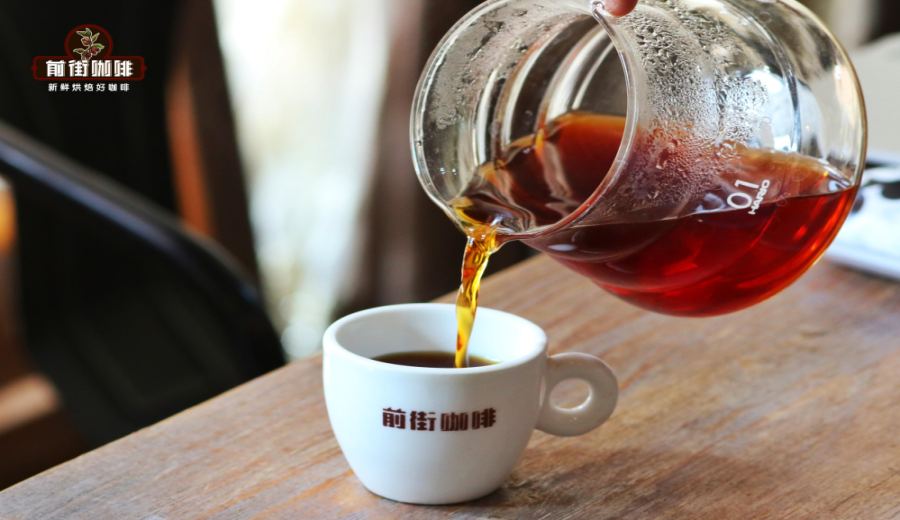
Introduction:Want to brew a Yirgacheffe with distinct flavor layers at home? This classic washed coffee bean from Ethiopia is known for its bright citrus acidity and delicate floral notes, but to perfectly showcase its characteristics, you need precise control over your pour over parameters. This article dives deep into the ideal grind size, water temperature, filter type, and practical three-stage pouring techniques for Yirgacheffe, guiding you from basic equipment preparation to brewing steps to establish a stable and professional pour over process.
Yirgacheffe coffee, with its unique fruity-floral profile and vibrant acidity, has become a classic favorite among many coffee enthusiasts. These beans from Ethiopia feature bright acidity with hints of lemon and berries, blended with elegant white floral notes and a soft tea-like body, delivering a refreshing yet complex cup. However, to fully express these nuanced qualities, everything from equipment selection to water temperature control and pouring technique must be carefully managed. Below, we’ll use a washed, medium-light roasted Yirgacheffe as an example to help you master the key elements of pour over brewing.
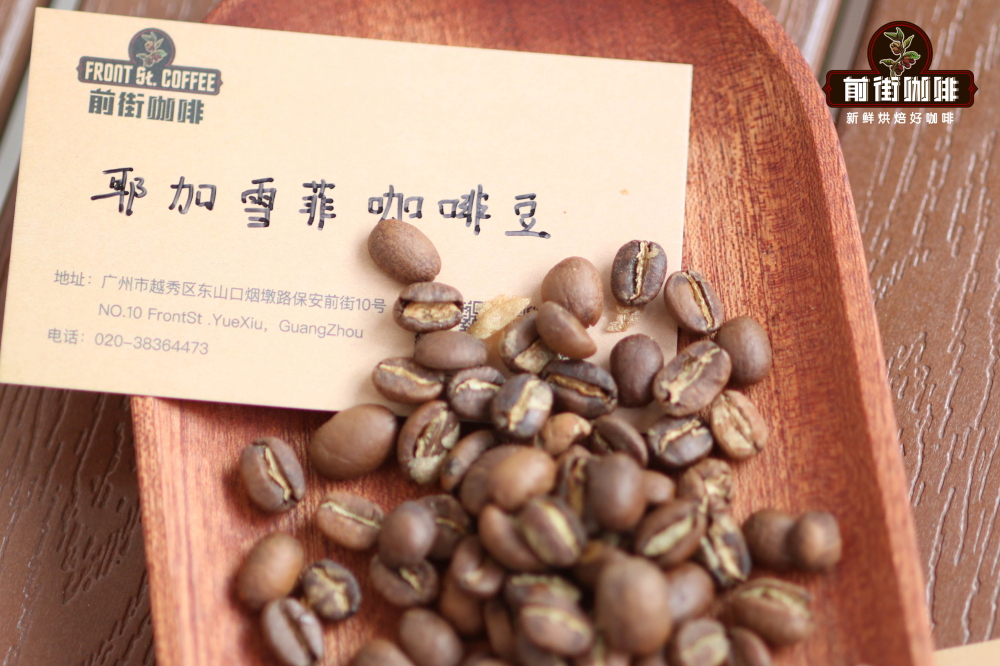
The Yirgacheffe region was originally part of Ethiopia’s Sidamo province but gradually became an independent and renowned coffee-growing area due to its distinctive flavors. Alongside Harrar and Sidamo, it is now considered one of the region’s three flagship coffee regions. The name Yirgacheffe has also evolved into a trademark representing a specific flavor profile, rather than just a geographical term. These coffee beans are typically medium-light roasted to preserve their bright acidity and complex aromas. Over-roasting can cause the fruit acids to diminish, masking the delicate flavor layers that define Yirgacheffe.
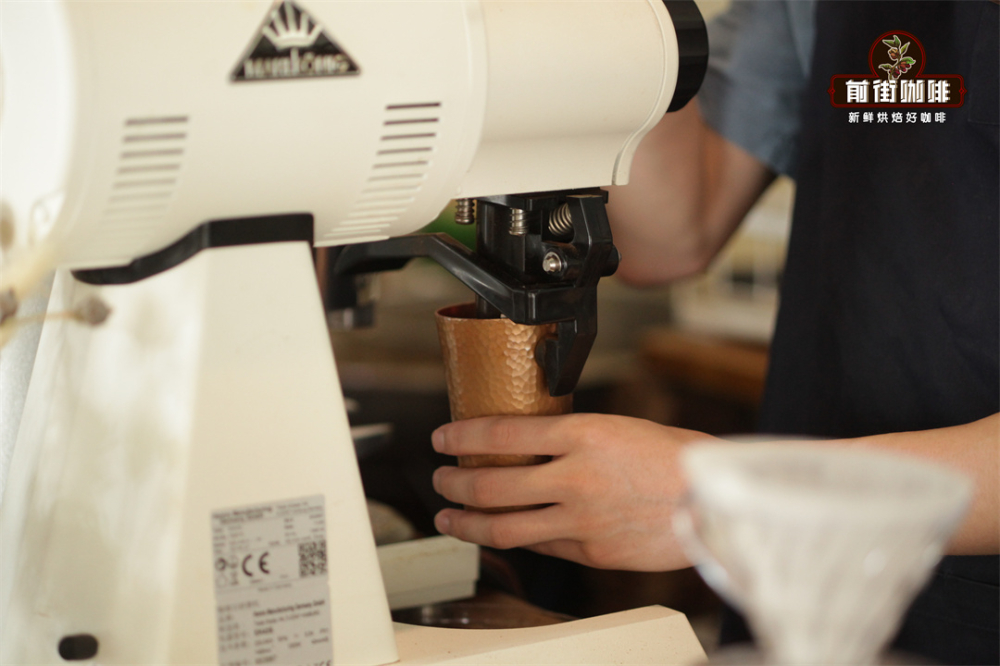
In terms of equipment preparation, for pour over Yirgacheffe, it's recommended to have basic gear such as a pour over kettle, filter cone, server, grinder, filter paper, digital scale, and thermometer. The choice of grinder is particularly crucial—the uniformity of the coffee grind directly affects extraction. Grinds that are too coarse may lead to under-extraction and flat flavors, while grinds that are too fine can cause over-extraction and bitterness. For example, using a standard Chinese No. 20 0.85mm sieve, medium-light roasted beans like Yirgacheffe are recommended to have about 80% passing rate, meaning a medium-coarse grind, with cafes often using EK43s grinder setting 10 as a reference.
Water temperature is equally critical. Medium-light roasted beans suit higher temperatures, generally around 91–93°C, which helps to highlight aromatic compounds and flavor substances. For medium-dark roasts, lower temperatures of 87–90°C are recommended to avoid over-extraction and unwanted bitterness. Yirgacheffe, being a high-altitude medium-light roast, benefits from higher heat to better bring out its signature citrus acidity and fruity-floral character. Additionally, the choice of filter cone affects extraction efficiency. The V60, with its unique spiral ridges and large center hole, accelerates water flow and extends contact time between coffee grounds and water, making it ideal for showcasing the layered complexity of Yirgacheffe.
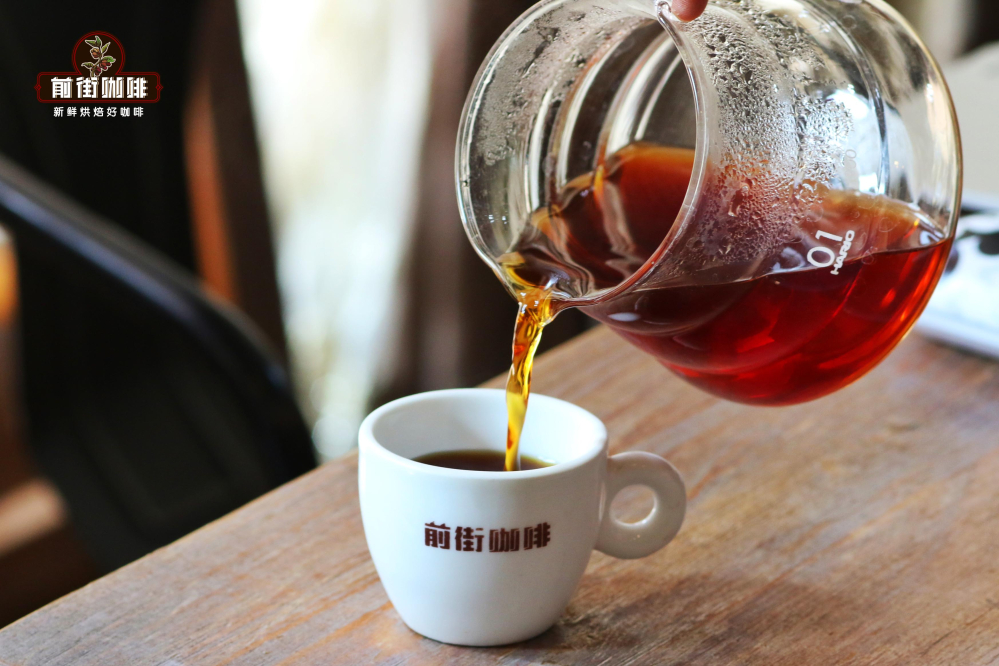
Before starting your pour over, it’s advisable to preheat your server and rinse the filter paper to ensure a good seal between the cone and server. Using a 15g coffee dose with a 1:15 coffee-to-water ratio (total water volume 225ml) as an example, the three-stage pouring method is a stable and beginner-friendly approach. The first stage involves pouring 30ml of water for a 30-second bloom, starting with a slow center stream then circling outward to ensure even saturation. The second stage uses a slightly stronger stream to pour 95ml by around 55 seconds, allowing the water level to rise evenly. The third stage begins when the liquid level drops halfway, then a smaller stream is used to gently pour 100ml in small circles, avoiding disturbing the coffee bed—total drip time is about 2 minutes. Finally, give the server a gentle swirl to even out the coffee before enjoying.
For beginners, the three-stage pour not only helps achieve stable extraction but also avoids over-extraction caused by prolonged soaking. The amount of water for each stage can be fine-tuned based on personal experience—for instance, adjusting the second stage volume to control strength, or altering pour speed to influence mouthfeel. The key is understanding the role of each parameter: grind size affects extraction efficiency, water temperature determines flavor release, and pouring technique directly influences the balance of the final cup.
Moreover, the freshness of the coffee beans significantly impacts pour over flavor. It’s recommended to use beans roasted within five days to fully enjoy their complete aroma and layered profile. Stale beans, even with perfect parameters, will struggle to deliver their best flavors. Through scientific parameter adjustments and continuous experimentation, you’ll gradually develop your own pour over framework and brew Yirgacheffe with distinct and consistent flavors.
The above content is compiled by CoffeeHunters, a coffee news website.


