







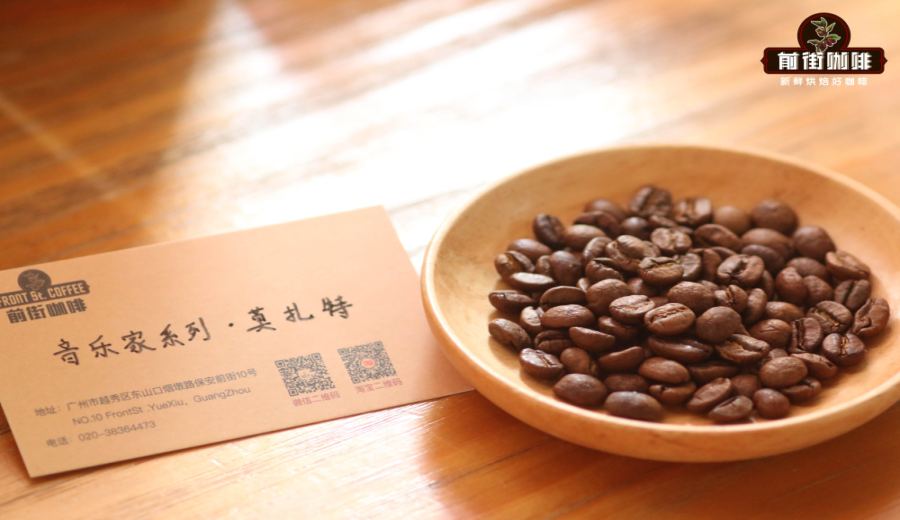
Introduction:The Mozart coffee from the Tarrazú region of Costa Rica, featuring a raisin honey process, delivers intense floral and fruity aromas with a sweet dried fruit aftertaste—making it a favorite among many coffee enthusiasts. This article provides an in-depth look at the origin background, processing features, and roast profile of this musician series coffee bean, along with practical and effective Hario V60 pour over parameters, including water temperature, brew ratio, and a three-step pouring method, to help you easily extract its captivating berry acidity and honey sweetness.
Costa Rican coffee is renowned for its balanced acidity and bright sweetness, and among the Musician Series, the Mozart coffee beans are widely recognized as a premium choice. These beans come from the Canet Estate in the Tarrazú region, using the raisin honey process that preserves 100% of the mucilage, resulting in fermentation complexity reminiscent of white wine, rich floral and fruity aromas, and a delightful dried fruit sweetness.
Tarrazú is located southwest of San José, the capital of Costa Rica, and is one of the world’s most renowned specialty coffee origins. Situated at elevations of approximately 1,200 to 1,700 meters, it enjoys a cool climate with significant day-night temperature variations and well-draining soil—ideal conditions for cultivating high-altitude Arabica varieties. The coffee from this region is generally known for its clear, bright acidity and abundant fruitiness, and Mozart stands out as one of its finest representatives.

Mozart is made from Caturra and Catuaí varieties grown at high altitudes of 1980 meters, with post-harvest processing handled by the local processing facility “Canet.” This mill belongs to a well-known black gold brand and is famed for its small-batch, site-specific processing methods. Its iconic “BLACK GOLD” jute sacks are commonly found in the green bean storage areas of specialty coffee shops.
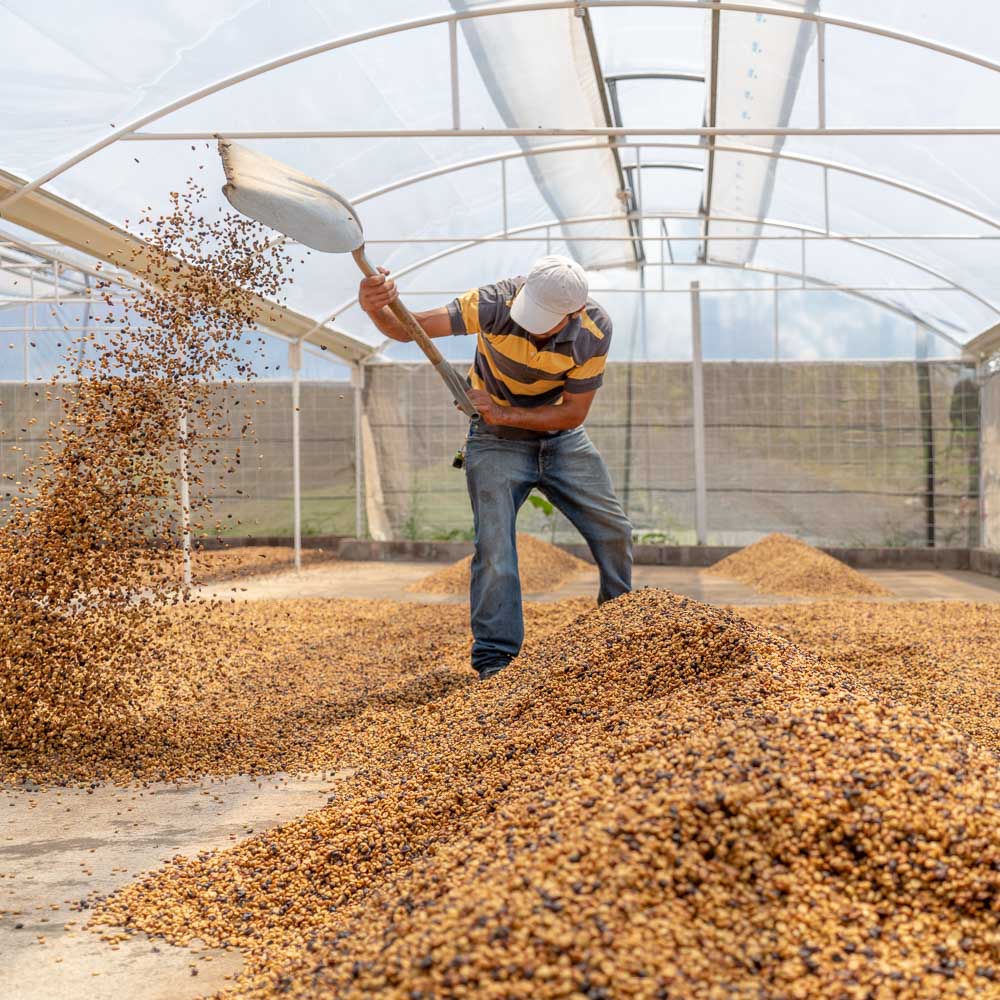
The so-called raisin honey process is actually a zero-water honey process, characterized by retaining 100% of the mucilage without washing or screening before entering the drying phase. As a result, it demands extremely precise control over weather and drying conditions. On the day of harvest, only mature, plump coffee cherries are selected and left to sink to the bottom of water tanks, while unripe or overripe cherries, being less dense, float to the surface and are removed.
Next, the selected coffee cherries are first left to rest and slightly dry on raised beds for at least three days, allowing the outer fruit layer to contract slightly, before the cherry skin is removed, leaving the intact mucilage layer for subsequent drying. This method maximizes the penetration of sugars and flavor compounds, resulting in coffee beans with a rich sweetness and fermentation aroma, with flavor notes akin to a blend of raisins and fresh berries.

Because the honey process retains all of the mucilage, it not only enhances the flavor intensity but also increases the complexity and risk of fermentation, thus requiring extremely strict control over drying temperature, time, and airflow. With years of experience, the Canet mill precisely manages the entire process, enabling this Mozart coffee to exhibit outstanding sweetness, balanced acidity, and a silky-smooth mouthfeel reminiscent of honey during cupping.
In terms of roast strategy, a certain roaster chose a medium roast to accentuate the coffee’s floral and fruity aromas and fermented syrup notes, while preserving moderate sweetness and body. This roast level brings out the bright notes of orange blossom and citrus, while highlighting the caramel and honey finish, creating a more three-dimensional overall flavor profile.
Once ground, these beans emit a distinct orange peel and complex floral aroma, which is highly enticing. It is recommended to use a Hario V60 dripper for pour over, paired with a medium-fine grind (approximately 80% passing through a #20 sieve), with water temperature controlled at 91°C, and a brew ratio set at 1:15—that is, 15 grams of coffee to 225 grams of water—this setup helps fully highlight its floral and fruity notes along with sugary sweetness.
A three-stage pouring method is recommended, as it can improve extraction stability and create more distinct flavor layers. First, place the coffee grounds into the V60 filter cone lined with a paper filter, gently shake it flat, then slowly pour in 30 grams of hot waterin a “の” shaped pattern for about 30 seconds of bloom, which activates the coffee grounds and releases initial aromas. Then, starting from the center of the filter, steadily pour in a small, circular motion until you reach 125 grams, wait for the water level to drop slightly, and continue pouring in circles until you reach 225 grams. Finally, let all the water fully drip through the filter, with the total brew time being around 2 minutesto complete the brew.
The Mozart coffee brewed using the above parameters yields a cup that opens with rich floral notes and fermented syrup aromas, along with a pronounced sweetness of raisins and dried fruits. Its acidity is bright and berry-like, and the finish leaves a smooth, sugar-cane-like aftertaste. The overall profile is well-balanced and layered, making it an excellent specialty coffee suited for slow, mindful enjoyment.

The above content is compiled by CoffeeHunters, a coffee news website.


