







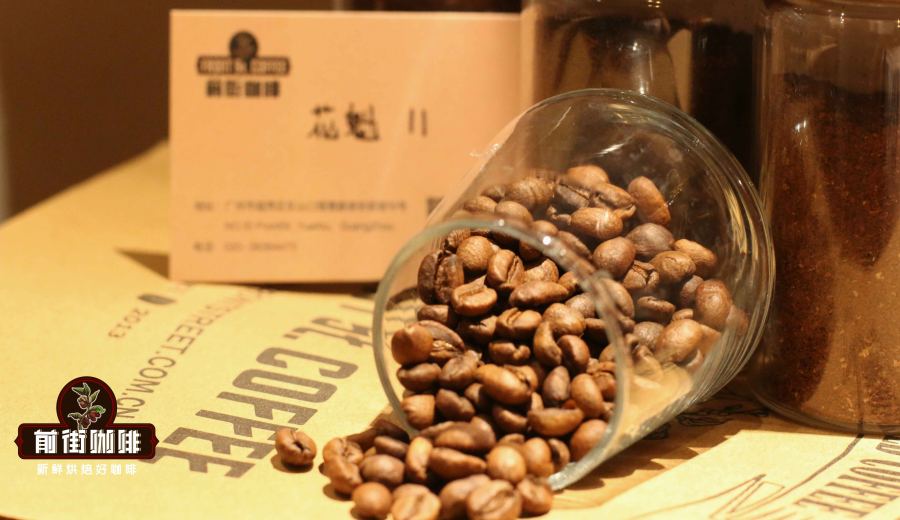
Introduction:Did you know? An Ethiopian coffee named "Huaca" (花魁) won the national cupping competition in 2017 with its unique natural processing method and intense fruity aroma. This article will take you on an in-depth journey to explore the origin of this popular pour over coffee bean, its rigorous processing procedure, every detail that contributes to its distinctive flavor profile, and the flavor wheel as seen by professional cuppers.
What sets Huaca coffee apart from other Ethiopian beans is not only its captivating fruity notes and layered complexity, but also the strict and unique processing method behind it. This article will start with the origin of the name "Huaca", take you deep into the small village of Buku Abel at an altitude of 2280 meters, and reveal how only the natural sun-dried coffee produced by this estate can be considered the true Sidamo Huaca.
First, we need to clarify a common misconception: although there are many coffees on the market labeled as "Huaca", only the natural batches produced by the Buku Abel estate in the Hambella region truly fit the original definition. Currently, there are about 20 coffee processing mills in the Hambella area, yet only the natural beans produced in this small village located halfway up the mountain are the classic Huaca that everyone praises.
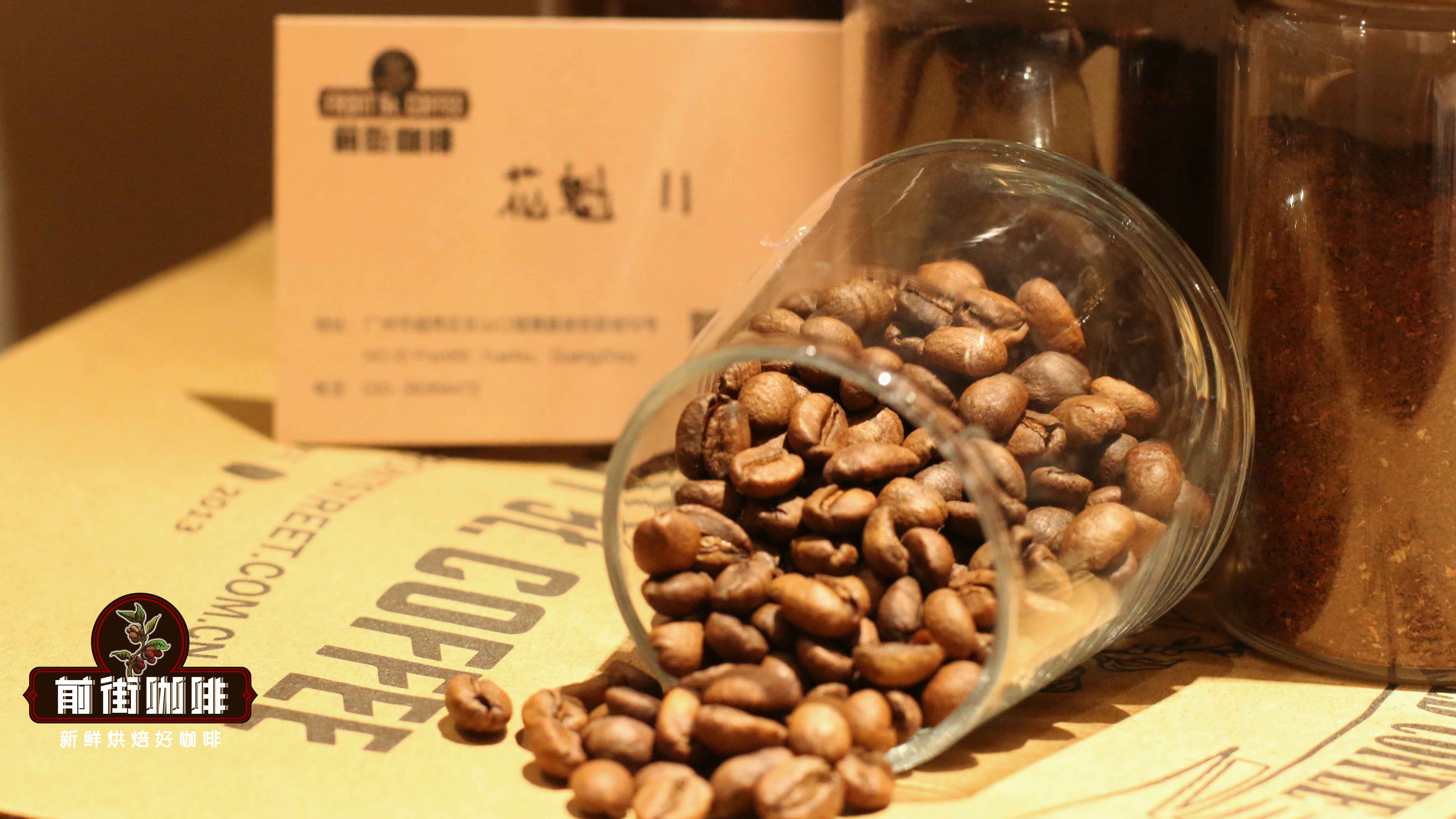
The Buku Abel estate is situated on a highland at an altitude of 2280 meters on the African continent, surrounded by mountains, with a cool climate and significant day-night temperature variations. Every December marks the harvest season for red coffee cherries, and the hillsides are filled with ripe coffee cherries. The carefully built African-style raised beds within the estate serve as the key area for the natural drying process of Huaca coffee.
The coffee trees on this estate are mainly planted in the mid-mountain area at altitudes between 2250 and 2350 meters, representing a typical high-altitude growing environment. Local farmers are very selective during harvest, choosing only red cherries with a sugar content of 30 or above to ensure the full expression of flavor potential during the subsequent sun-drying process. During the first two days of sun-drying, workers specifically control the moisture of the cherries, allowing enough time for natural fermentation. It’s worth noting that the local nighttime temperatures often drop to around 12 degrees Celsius, and this natural cooling effect effectively prevents over-fermentation.
The entire sun-drying process lasts approximately 18 days. During this period, the moisture in the coffee cherries gradually evaporates until the pulp and skin are completely dehydrated, at which point the green coffee beans can be easily removed from the fruit. The beans are then transferred to a temperature- and humidity-controlled warehouse, stored at 12 to 22 degrees Celsius and a relative humidity of 45% to 55% for 50 days of resting and further dehydration. Once the moisture content stabilizes at around 11%, the beans undergo hulling and fine sorting to ensure each one is in optimal condition before being officially released to the market.
This highly regarded Huaca coffee has the official name "Ethiopia Sidamo Natural Huaca", originating from the Dimtu village in the Hambella Wamena area of Ethiopia’s Guji region, and produced by the local Buku Abel estate. It is grown at an altitude between 2250 and 2350 meters, using the traditional Natural sun-dried processing method, and the variety is the locally unique Heirloom (Ethiopian native).
During cupping, this coffee exhibits very distinct fruity flavor notes, including passionfruit, rose floral, strawberry jam, the tartness and sweetness of berries, the flesh aroma of peaches, and a black tea note in the aftertaste. The overall profile is layered and memorable. These characteristics are also the flavor indicators that many pour over coffee enthusiasts pay special attention to when selecting beans.
In addition, Huaca coffee won the championship in the 2016 and 2017 Ethiopia National Taste of Harvest competitions. This honor not only affirms its outstanding quality but also secures its place in the international specialty coffee market. If you’re looking for a representative Ethiopian natural coffee, or want to explore the processing techniques and flavor potential of high-altitude native varieties in depth, Huaca coffee is undoubtedly a classic example worth savoring.
The above content is compiled by CoffeeHunters, a coffee news website.


