








Introduction:Want to understand why Yunnan coffee is gradually making its mark in the international specialty market? This article delves into the natural conditions of Pu’er, China’s largest coffee-growing region, the characteristics of its main variety—Catimor—as well as the key impact of washed and natural processing methods on flavor. From altitude and temperature variation to processing techniques, it equips you with practical knowledge for selecting and brewing Yunnan beans.
As China’s top coffee-producing province, Yunnan has become an important player on the global coffee map thanks to its unique geographical and climatic advantages. Regions such as Pu’er, Baoshan, Dehong, and Lincang each have their own distinctive features. Among them, Pu’er leads the nation with over 770,000 acres of planted area and an annual output of 54,000 tons. This article will focus on the core elements of the Pu’er region, analyzing how its climate fosters high-quality coffee, detailing the flavor profile of the Catimor variety, comparing the differences between washed and natural processing methods, and offering practical brewing references.
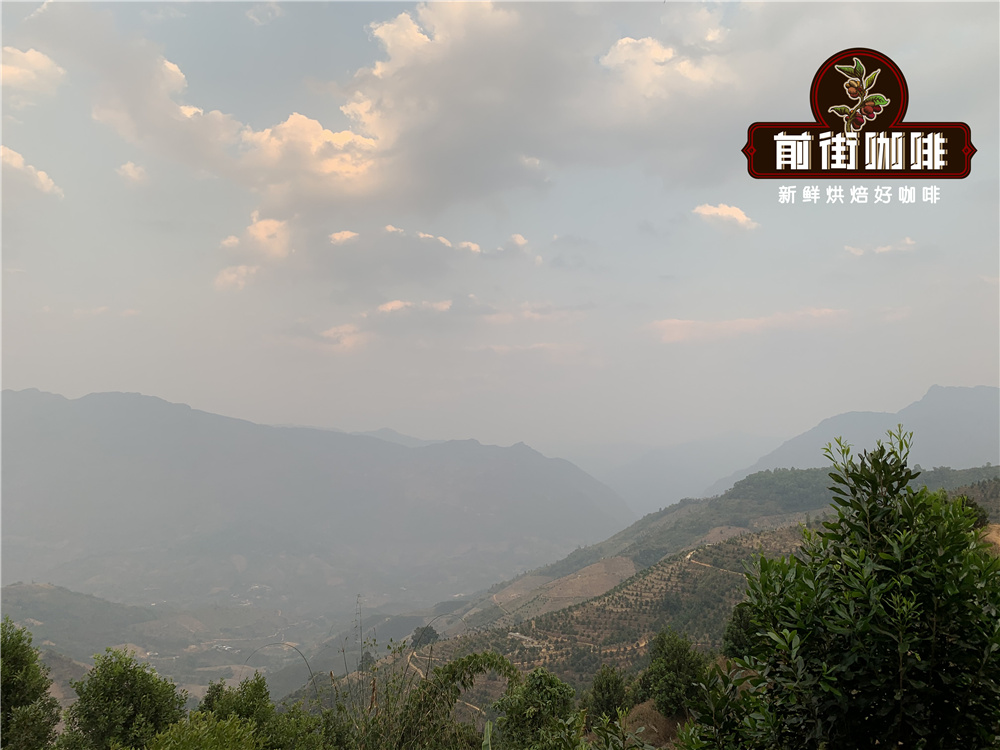
Yunnan is located within the global coffee-growing "golden latitude belt." Its low latitude, high altitude, and significant day-night temperature variation create terroir similar to that of Colombia. The province’s coffee cultivation spans 35 counties across 9 prefecture-level cities, with 80% located in impoverished mountainous areas, benefiting over 1.14 million coffee farmers. As the core production area, Pu’er not only boasts 770,000 acres of planted area but also, thanks to its South Asian tropical mountainous humid monsoon climate, has become a highly regarded coffee origin on the international market.
The climate characteristics of Pu’er can be summarized in three key points: low latitude near the Tropic of Cancer, abundant rainfall brought by the monsoon, and diverse microclimates formed by vertical altitude differences. The annual average temperature ranges between 15.3°C and 20.2°C, with annual precipitation reaching 1,000 to 2,780 millimeters and sunshine hours of approximately 1,873.9 to 2,206.3 hours. Due to the barrier effect of the Ailao Mountains and Wuliang Mountains, cold Siberian air currents are hindered, creating a warm, humid, and wind-sheltered environment. Coffee is primarily grown in mountainous regions at altitudes of 800 to 1,200 meters. Within this height range, the day-night temperature variation helps coffee cherries accumulate flavor compounds while maintaining moderate acidity and rich aromas.
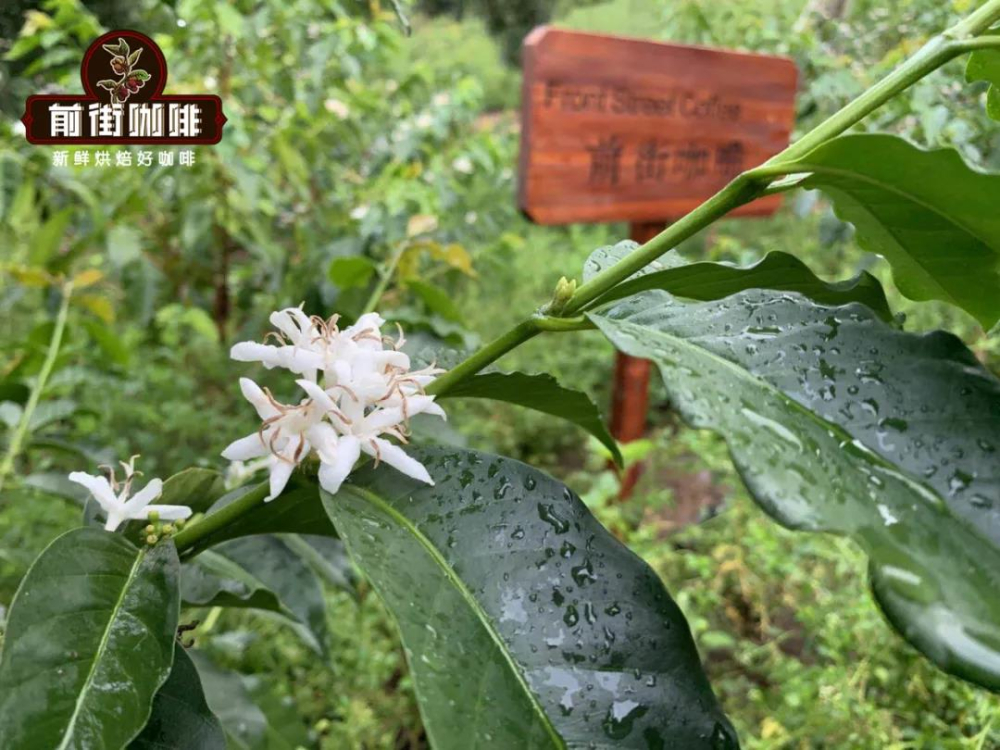
The evolution of Yunnan coffee varieties reflects the introduction of Taiwanese agricultural technology. Earlier, traditional Arabica varieties such as Typica and Bourbon were dominant, but after 1991, the disease-resistant Catimor series was introduced. Catimor is a high-generation hybrid of Timor (a Robusta variety) and the Bourbon variant Caturra. Although it contains 25% Robusta lineage, this gives it excellent disease resistance and high-yield characteristics. In Pu’er, all cultivated coffee is of the Catimor variety. Its tree canopy features bright green apical buds, deep green foliage, and dense branching, with particularly strong adaptability to hot and dry valley environments.
Three core climate elements of the Pu’er growing region:
1. Low latitude (near the Tropic of Cancer) provides ample sunlight and a warm base temperature
2. Monsoon influence creates distinct dry and wet seasons, with evenly distributed annual rainfall
3. Vertical altitude differences result in multi-layered climate types ranging from subtropical to temperate
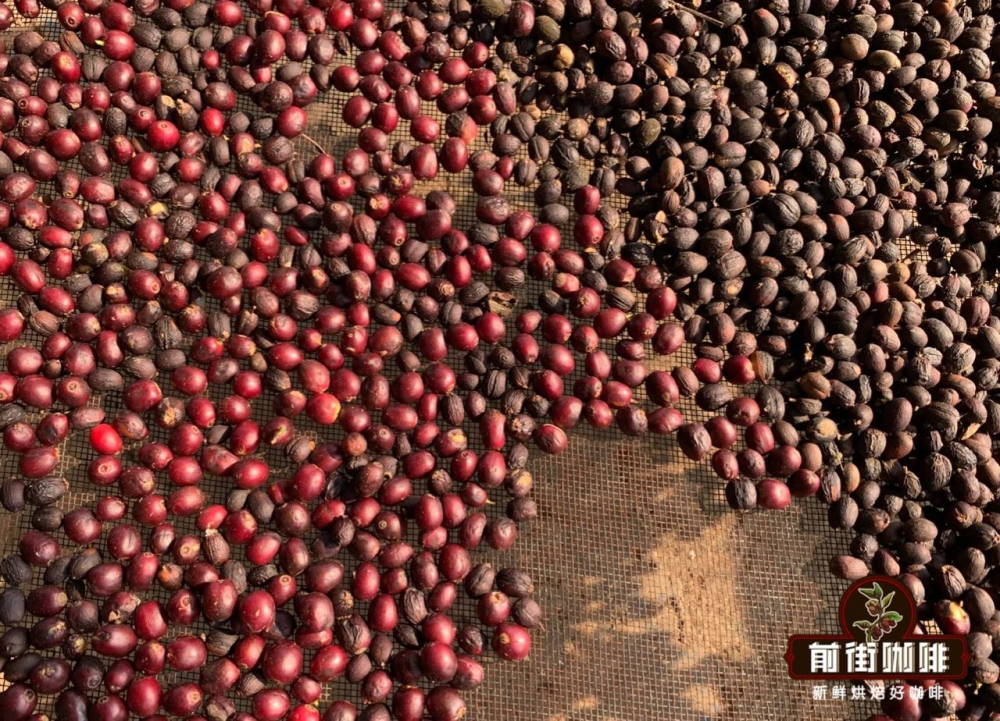
Processing methods play a crucial role in shaping the flavor of Yunnan Catimor. The mainstream washed process preserves clean acidity and bright fruity notes, with green beans exhibiting a typical bluish-green hue. In contrast, the natural process extends the fermentation time of the fruit pulp, imparting richer sweetness and complex aromas, with beans leaning toward a golden color. Practical data from a coffee shop shows that brewed washed Catimor highlights flavors of nuts, chocolate, and herbs, paired with a delicate fruity acidity in the finish. The natural version, meanwhile, delivers a burst of red berry juiciness, complemented by layers of cocoa, licorice, and caramel, with a smooth caramel-like sweetness lingering in the aftertaste.
For brewing Yunnan Catimor, the following parameters are recommended to achieve optimal extraction:
• Filter: Hario V60
• Water temperature: 90°C (adjust slightly to 92°C for natural-processed beans to enhance sweetness)
• Coffee dose: 15 grams (suitable for 1–2 servings)
• Coffee-to-water ratio: 1:15 (adjustable to 1:14–1:16 based on taste preference)
• Grind size: Medium-fine (80% passing through a Chinese standard No. 20 sieve, similar to the texture of fine sugar)
Recommended specific brewing steps: Use a pulsed pour—start with double the coffee dose (30 grams) for a 30-second bloom to release aroma, then pour in small circles until reaching 125 grams for the first pour. Continue pouring to a total of 225 grams, with the entire brew time controlled within 2 minutes. These parameters effectively balance the body and clarity of Catimor, avoiding over-extraction that can lead to bitterness.
Important notes to keep in mind:
• Freshness is key to flavor—choose beans roasted within 5 days
• Resting period is about 4–7 days, when the flavor reaches its peak
• Use ground coffee promptly to avoid oxidation affecting aroma
• Yunnan beans’ low acidity pairs well with milk, and natural-processed versions also make an excellent choice for black pour-over coffee
Additional notes on variety characteristics: Typica, one of the oldest Arabica varieties, is known for its elegant acidity and balanced flavor but has lower yields. Bourbon excels in aromatic richness and is better suited for higher altitudes (1,200–2,000 meters). Though Catimor was once considered lacking in flavor due to its Robusta lineage, refined processing techniques and precise brewing parameters can still bring out its unique regional character. When tasting, it’s recommended to compare samples of different processing methods to appreciate the expressive potential of the Pu’er region under its terroir conditions.
The above content is compiled by CoffeeHunters, a coffee news website.


