







Introduction:As one of the representatives of specialty coffee, SOE (Single Origin Espresso) has gradually gained popularity among coffee enthusiasts. This article delves into the basic definition of SOE, its core differences from blends, and answers common questions about whether it can be used for pour over. It also analyzes its unique flavor profile, suitable roasting and extraction parameters, and further explores how freshness critically affects flavor expression—helping readers fully grasp the application and selection key points of SOE.
In today’s world of specialty coffee, SOE (Single Origin Espresso) is increasingly becoming a focal point in the market. SOE refers to espresso made from single-origin coffee beans roasted in a specific way to highlight distinct regional characteristics. This contrasts with common blends, which are typically composed of beans from different origins, aiming for layered and stable flavor profiles.
In the early days, Italian-style cafés commonly used single-origin beans, but the concept of "single origin" was not emphasized at the time. As the global coffee supply expanded and quality varied across regions, some coffees exhibited inconsistent flavors. To maintain consistency in output, many shops turned to blends. However, with the rise of the specialty coffee trend in recent years, consumers have become more focused on the origin and flavor sources of their coffee, leading to a renewed appreciation for SOE.
Addressing a common question: Is SOE suitable for pour over extraction? The answer is yes. By selecting appropriate extraction parameters—such as medium grind size, water temperature around 90–94°C, and a proper coffee-to-water ratio (e.g., 1:15 to 1:17)—SOE beans can still showcase their unique regional flavors, such as bright acidity or rich floral notes. However, the extraction logic for pour over differs from that of espresso, so it's recommended to fine-tune brewing techniques based on the beans’ characteristics.
The flavor characteristics of SOE are usually closely related to their origin. Generally, roasters will choose light to medium roasts based on the beans’ inherent traits to highlight the unique flavor profile of the region. For example, beans with fruity and floral characteristics—such as those processed via natural drying—often use lighter roasts to present refreshing acidic and sweet notes like strawberry, citrus, or passion fruit. Meanwhile, beans with chocolate or nutty profiles may opt for medium to medium-dark roasts to bring out rich aromas of cream, hazelnut, and dark chocolate.
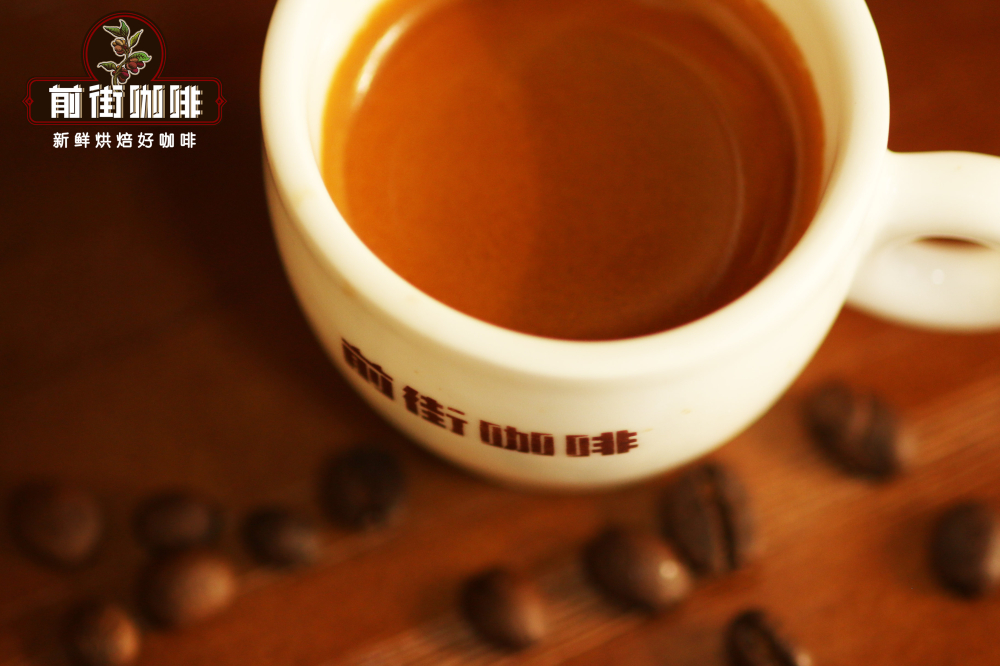
For instance, a high-altitude coffee bean that undergoes special anaerobic processing might exhibit intense aromas of grape, citrus, and berries. When such beans are made into SOE espresso, even when served as a cold drink by adding ice water, they can still retain clear fruity acidity and sweetness, with a layered and refreshing flavor. However, improper handling—such as grinding too finely or using excessively high water temperature—can lead to over-extraction, resulting in bitterness or smoky notes.
So, is SOE necessarily more delicious than blends? In fact, it depends on individual taste preferences and extraction techniques. SOE emphasizes regional characteristics, so its flavor profile is clearer, but it may sometimes seem less balanced due to its singular flavor focus. In contrast, blends, by combining beans from various regions, can achieve a balance between flavor, acidity, sweetness, and body, offering a more consistent mouthfeel. Many professional shops adjust their blend ratios according to seasonal changes and customer feedback to achieve the best possible flavor.
For coffee lovers looking to try SOE, several key factors directly influence the final flavor: bean freshness, roast level, extraction parameters, and brewing method. Generally, the 4 to 7 days after roasting is the degassing period, during which carbon dioxide inside the beans is gradually released, and it is not recommended to use them immediately for high-pressure extraction. Once they reach their optimal flavor window (approximately 7 to 21 days post-roast), the flavor performance typically peaks. Beyond this period, aroma and taste gradually decline.
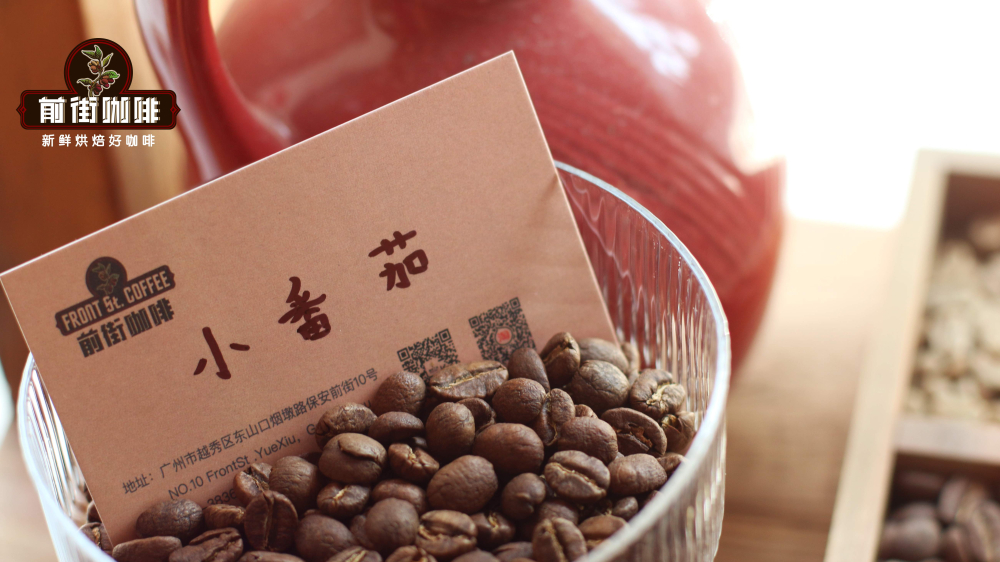
Therefore, choosing freshly roasted SOE beans is crucial. Ideally, the beans should be shipped within 5 days post-roast and used as soon as possible upon arrival. Additionally, storage conditions should avoid direct sunlight, moisture, and high temperatures. It is recommended to use airtight containers and store them in a cool, dry place to prolong their optimal flavor state.
In summary, SOE single-origin espresso is not just a beverage but also a medium for exploring regional flavors and the art of roasting. Whether you choose espresso, pour over, or other brewing methods, understanding the beans' characteristics and adjusting to suitable parameters will allow you to deeply appreciate the unique story and flavor potential behind each SOE.
The above content is compiled by CoffeeHunters, a coffee news website.


