







Introduction:Gain an in-depth understanding of Brazil's history as the world’s largest coffee-producing country—from the introduction of coffee in 1727 to the distribution of its major producing regions today—and explore how climate, altitude, and soil shape the unique flavors of Brazilian coffee. This article focuses on the Red Bourbon pulped natural from Minas Gerais and the Yellow Bourbon natural from Fazenda Rainha in São Paulo, analyzing their processing methods, flavor profiles, and recommended brewing parameters to help coffee enthusiasts more precisely appreciate the diversity of Brazilian beans.
Brazil is not only the world’s top coffee producer, but its output also accounts for over 30% of the global market. Any disruption in shipments from key regions or extreme weather events can directly impact international coffee futures prices. For instance, in 2021, due to regional issues, Arabica coffee futures prices once surged by nearly 100%, highlighting Brazil’s critical role in the global coffee supply chain.
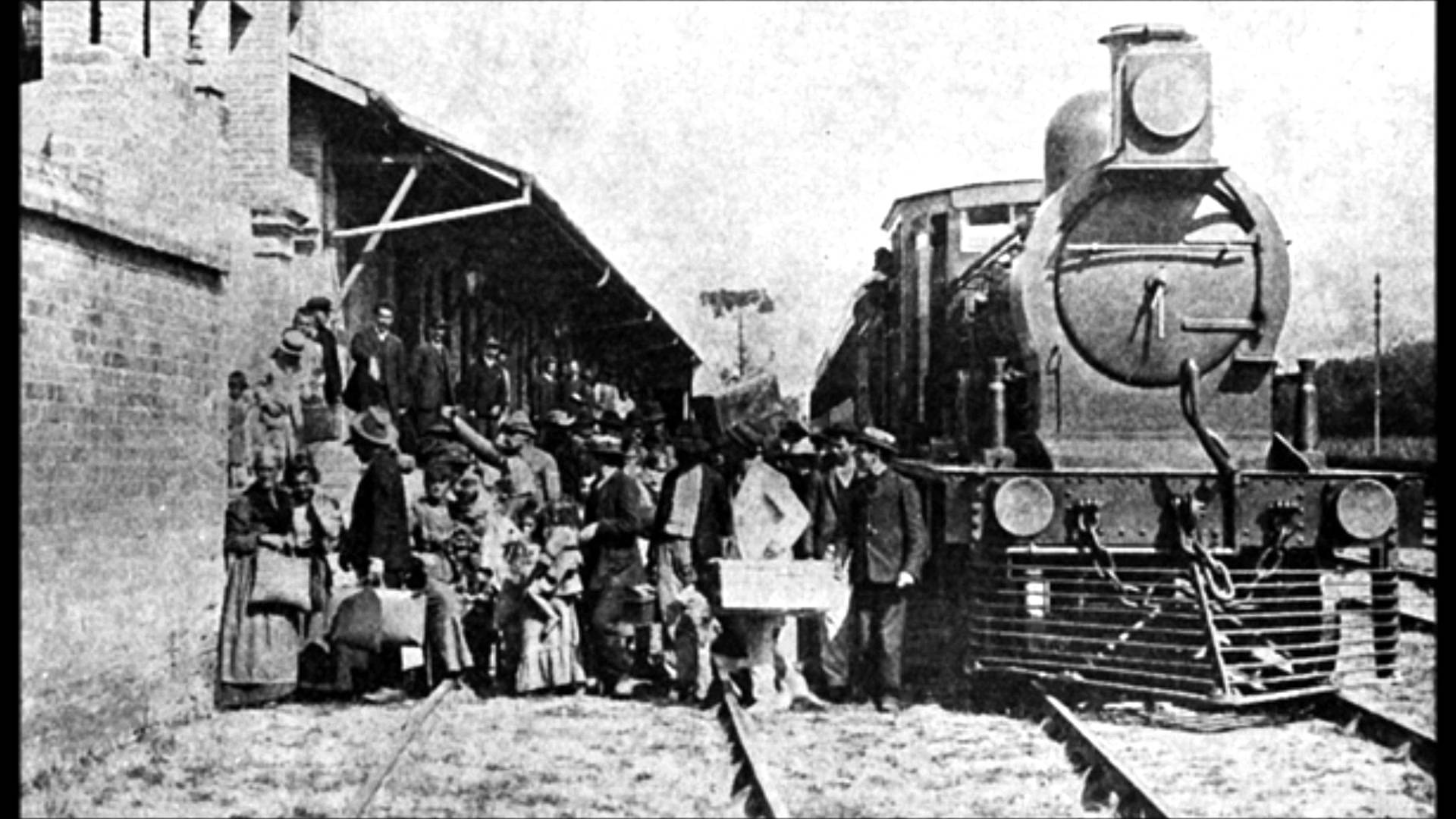
Looking back at history, coffee cultivation in Brazil began in 1727 and was initially for domestic consumption only. With the outbreak of the American Revolutionary War, Washington advocated coffee as a “patriotic beverage,” which led to a rise in coffeehouses and increased import demand, allowing Brazilian coffee to seize the opportunity to enter the international trade scene. By the 19th century, Brazil’s coffee industry entered a golden age with rapid expansion of planting areas. By the mid-19th century, coffee exports accounted for half of Brazil’s total exports, accumulating enormous wealth for the country and spurring infrastructure development such as railways, making it easier to transport inland harvests to ports.
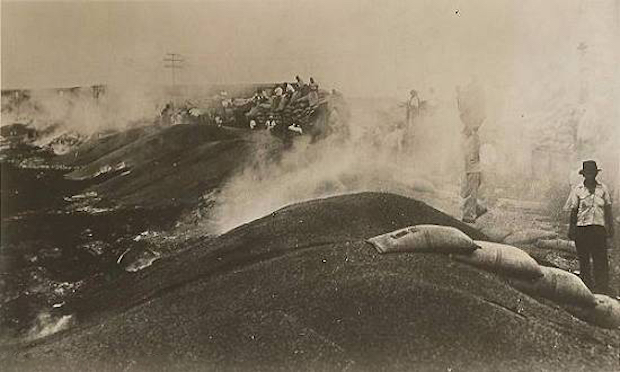
In the mid-to-late 19th century, coffee even became a crucial military supply during the American Civil War. At that time, due to the limited yield of the original Typica variety, Brazil introduced the high-yielding Bourbon variety from Réunion Island, and by the 1870s it had become the dominant variety planted domestically. However, during the Great Depression of the 1930s, with a sharp decline in U.S. demand and Brazil’s production then accounting for nearly 80% of the global total, a massive oversupply of coffee beans occurred. In the most severe cases, the Brazilian government was forced to burn as many as 78 million bags of coffee beans to stabilize market prices.
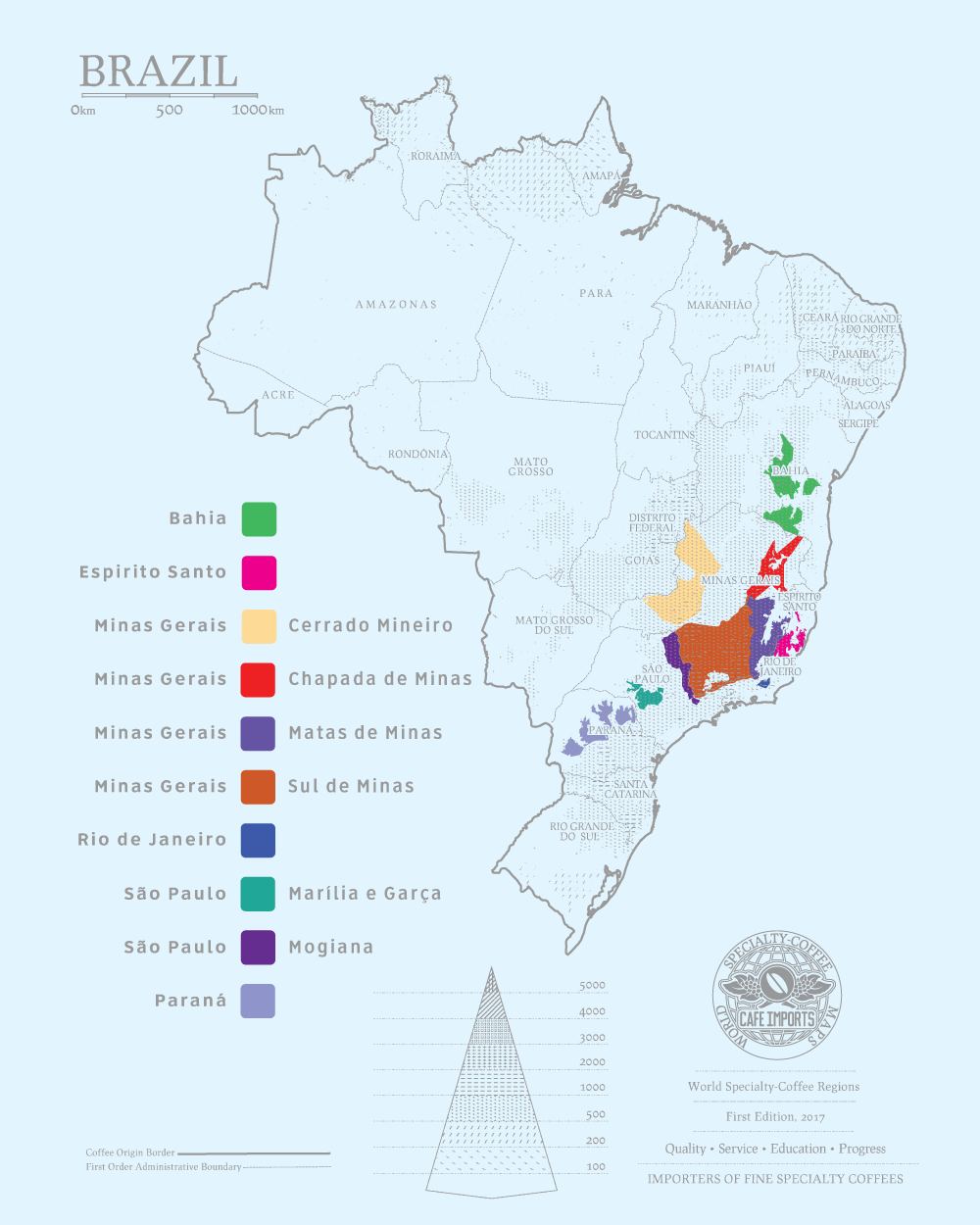
Currently, coffee is produced in 17 states across Brazil, but production is most concentrated in six states: Bahia, Espírito Santo, Minas Gerais, São Paulo, Paraná, and Rondônia. The key differences in coffee flavor primarily stem from each region’s altitude, temperature variations, and soil characteristics—factors that collectively influence acidity, sweetness, body, and aroma expression.
Brazilian coffee generally features low acidity, pronounced sweetness, and a smooth, rounded mouthfeel. On one brand’s product list, although there are not many Brazilian offerings, each one is representative, including Red Bourbon and Fazenda Rainha Yellow Bourbon. Among them, Red Bourbon is categorized as an everyday drinking bean, showcasing the classic flavor profile of Brazilian coffee.
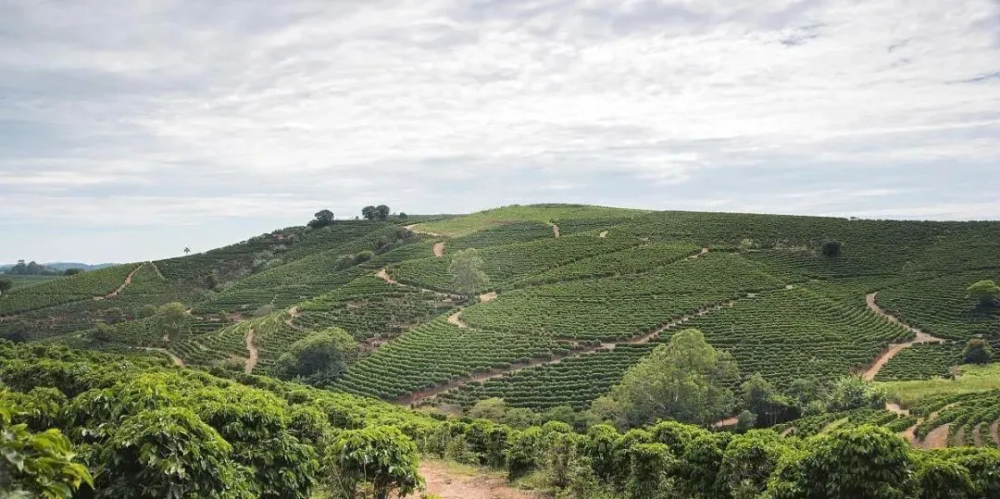
This brand’s “Brazilian Red Bourbon” comes from the Cerrado region in Minas Gerais, at an altitude of about 1000 meters. It is one of Brazil’s most important and earliest officially recognized origin coffee regions, predominantly composed of large farms, with planting altitudes mostly ranging between 800 and 1200 meters. This bean is processed using the pulped natural method, which can be seen as a precursor to honey processing. It originated in Brazil in the 1990s when, due to dry climate, water shortages, and the high cost of washed processing equipment, an alternative method was developed.
The pulped natural process involves removing the skin and pulp of the coffee cherry but leaving some mucilage on the beans during sun drying. Compared to traditional sun drying, this technique not only shortens processing time but also enhances aroma and flavor complexity even in environments with limited water resources. It has also had a profound influence on honey processing techniques in water-scarce regions like Costa Rica. This brand’s Red Bourbon exhibits rich notes of nuts and chocolate, paired with caramel sweetness, a smooth mouthfeel, and overall excellent balance, making it highly suitable for everyday drinking.
Aside from Red Bourbon, the Yellow Bourbon produced by Fazenda Rainha is also a noteworthy option. The estate is located in the Mogiana region of São Paulo, characterized by rugged terrain and altitudes ranging from 1400 to 1950 meters. With a mild climate and mineral-rich red volcanic soils, it provides ideal conditions for coffee cultivation. Fazenda Rainha spans 280 hectares, with 200 hectares dedicated exclusively to Yellow Bourbon cultivation, making it a flagship origin for this variety.
Yellow Bourbon, like Red Bourbon, belongs to the Bourbon family, but due to its thicker mucilage layer, it typically contains a higher sugar content. This gives Yellow Bourbon superior performance in sweetness and fruity aromas, with some cuppings even detecting subtle citrus notes. This brand’s Fazenda Rainha Yellow Bourbon uses the traditional natural (sun-dried) process, where coffee cherries are spread out on African raised beds for small-batch drying to ensure even heat distribution, prevent uneven fermentation or contamination, and further enhance sweetness and fruitiness.
In terms of roasting, to fully highlight the sweetness and nutty base of Yellow Bourbon, the brand’s roasters chose a medium-dark roast to balance acidity, sweetness, and body. For pour over enthusiasts, it is recommended to use a slower-flow filter cone such as KONO, with water at 88°C and a slightly coarser grind size (approximately 70% passing through a #20 sieve), using a 1:15 powder-to-water ratio with 15 grams of coffee in total. The specific steps are as follows: first, pour 30 grams of water for a 30-second bloom; then add water in small circular motions up to 125 grams, and when the water level drops halfway, pour the second addition up to 225 grams; finally, let the drips finish, keeping the total brew time around 2 minutes to help achieve clear layers and a smooth, mellow taste.
The above content is compiled by CoffeeHunters, a coffee news website.


