







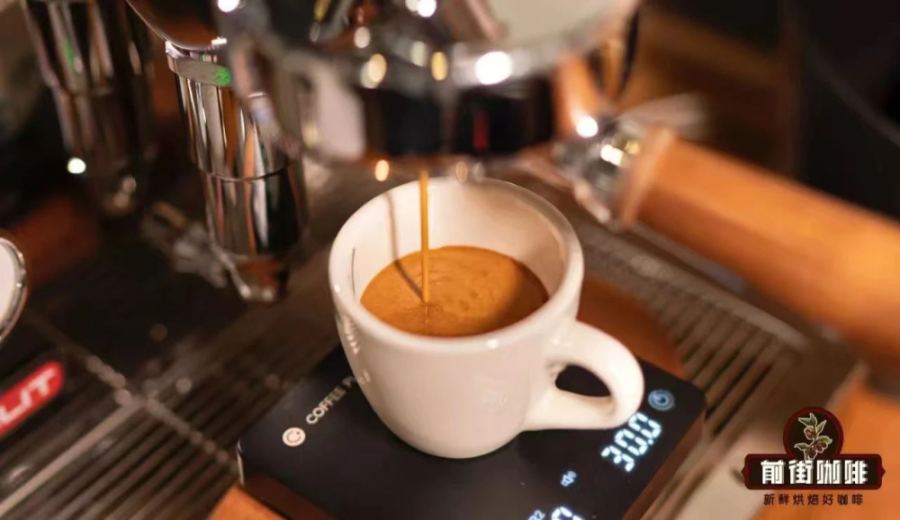
Introduction:To consistently extract an espresso with balanced flavor, the key lies in mastering the synergistic relationship between extraction time, dose, grind size, and brew ratio. This article delves into how to adjust these core parameters to precisely control the extraction yield within the ideal Golden Cup range of 18%–22%, and provides specific adjustment strategies for beans of different roast levels. It also includes practical extraction parameters from a real café for reference, helping coffee enthusiasts quickly develop their own espresso formula logic.
Brewing the perfect shot of espresso may seem like a simple process taking just over twenty seconds, but even a one-second difference can significantly impact the final flavor profile. This article takes extraction time as the central axis, systematically integrating key factors such as dose setting, brew ratio configuration, and grind size selection, to help you deeply understand how to scientifically control these variables and accurately lock the coffee's soluble extraction yield within the industry-recognized golden standard—18% to 22%.
When exploring extraction time as the core variable, it’s essential to simultaneously consider the synergistic effects of dose, liquid weight ratio, and grind setting. Only when these four parameters form an organic whole can the espresso machine stably extract a high-quality shot under 9–10 atmospheres of pressure, avoiding both over-extraction and under-extraction.Special reminder: When using the golden 1:2 brew ratio, it is recommended to initially anchor the extraction time between 25 and 30 seconds for adjustment.This is the most efficient solution validated by most professional baristas.
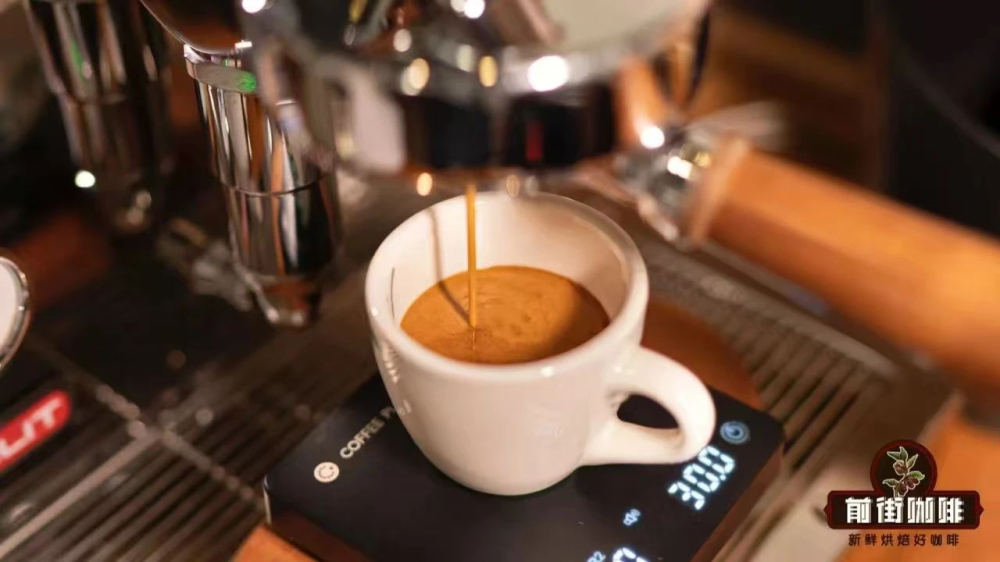
There are clear taste boundaries to controlling extraction time: if the extraction time is less than 25 seconds, the espresso often presents a thin, watery body with overly pronounced acidity and lacks structure; conversely, exceeding 30 seconds can easily trigger over-extraction issues, producing noticeable burnt bitterness and woody notes.Practical cases show that a standard café operation usually maintains an extraction window between 29–30 seconds.This parameter ensures the full release of acidic aromatic compounds while effectively suppressing the extraction of large-molecule bitter substances.
For coffee beans of different roast styles, differentiated time strategies are required. For example, light to medium roast beans characterized by citrus and floral notes (such as Ethiopian natural batches), when used to make espresso, experienced baristas will intentionally extend the extraction time by 1–2 seconds to evoke hidden fruity and floral complexities. However, special attention should be paid to observing changes in crema color—when golden foam turns dark brown, it often indicates that caramelization is approaching a critical point.
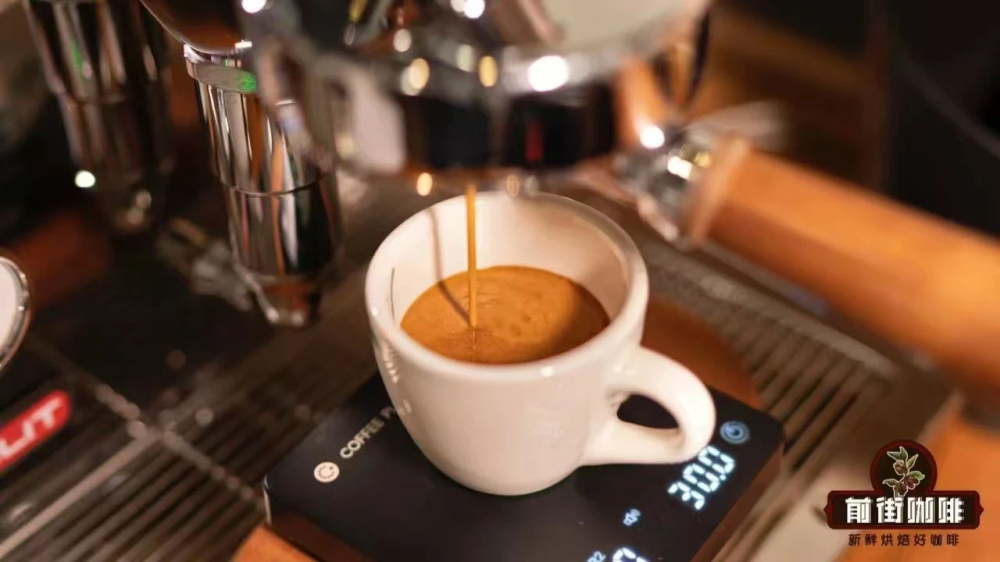
Dose setting is directly related to the physical capacity of the portafilter basket:The standard single basket (e.g., 58mm size) has an applicable range of 8–9 grams, while the double basket (commonly 92mm) requires 18–20 grams of coffee grounds.Taking double espresso as an example, a combination of 20 grams of coffee with 40 grams of extracted liquid weight is most common, but ±1 gram of flexible adjustment may be needed based on the density variation of the beans on that day. Minor changes in dose directly affect puck density—when the puck layer becomes thicker, water penetration resistance increases, inevitably leading to longer extraction time and higher concentration.
Precise control of grind size is the art core of espresso extraction. It is recommended to make dynamic adjustments by observing flow rate changes: when the espresso flows out in a rapid stream (usually taking about<25秒),需將磨盤向細刻度微調;若出現滴漏不暢甚至停滯(>30 seconds), the grind should be adjusted coarser.Important tip: The precision of espresso grinding far exceeds that of pour over equipment. Each grind adjustment should not exceed 1/4 turnto avoid extraction imbalance due to parameter jumps. For harder beans from Central and South America, it is recommended to set the grinder about two notches finer than pour over settings; for fruit-acid-forward beans from African regions, a slightly coarser grind is appropriate.
Establishing a systematic parameter adjustment logic is crucial. Professional baristas recommend adopting a "flavor feedback–parameter correction" loop mode: first ensure the brew ratio and grind size are within baseline ranges, then use tasting to identify flavor defects.If obvious charred flavors appear without issues of insufficient concentration, try adjusting the grind coarser by 0.5 notches and check tamping pressure.When flavors come across as watery or overly sour, gradually increase the dose (suggested +0.5g each time) or reduce the grind setting. It’s worth noting that changes in ambient temperature and humidity can affect coffee grounds’ moisture absorption, so a basic calibration routine is recommended before daily operation.
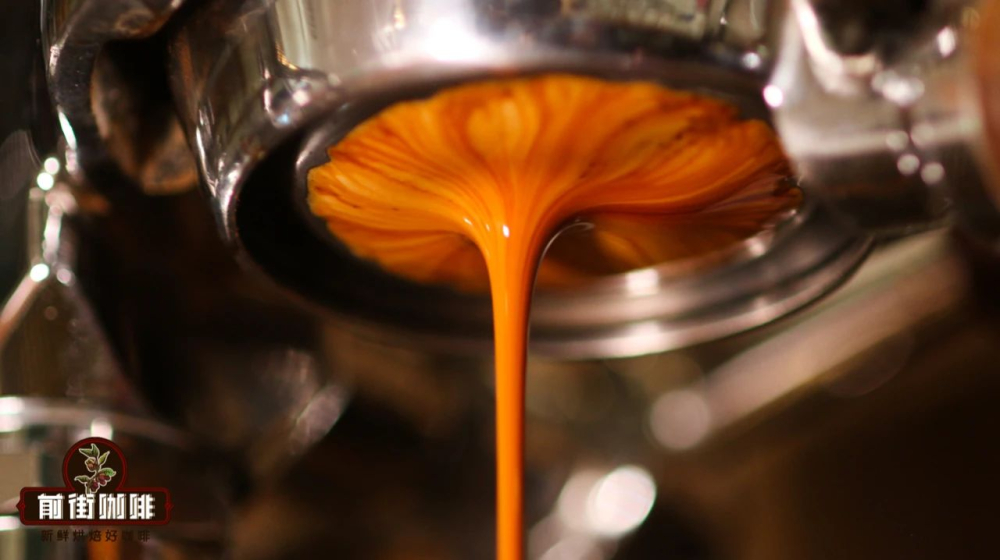
For beginners to espresso, choosing suitable blends for practice can effectively lower the learning curve.For classic bold profiles, a dark roast compound blend is recommended.Such beans typically develop rich caramel and nutty foundations, complemented by the velvety texture of crema, clearly showcasing the flavor differences brought by parameter adjustments. Meanwhile,for those seeking mildly acidic yet full-bodied profiles, exploring the balance between acidity and body is ideal.For instance, a blend combining Yunnan small beans with Brazil Cerrado can, while controlling bitterness risks, help cultivate sensitivity to complex flavors.
Advanced users can experiment with specialty blends:For an espresso with strawberry candy-like characteristics, a medium roast honey-processed bean is recommended as the core base.By layering Ethiopian Yirgacheffe’s citrus notes with Colombian Huila’s nutty finish, and using a precise 28–30 second extraction window, a unique experience combining bright acidity with silky body can be created. Remember that such beans are extremely sensitive to freshness, so it is advised to use them within 7–21 days post-roast and store them properly in one-way valve bags.

The above content is compiled by CoffeeHunters, a coffee news website.


