







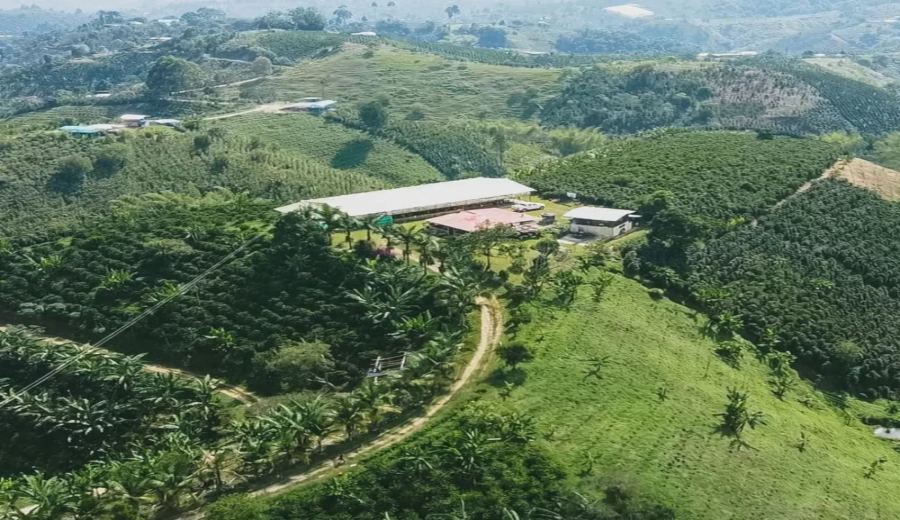
Introduction:Delve into the cultivation background and processing methods of washed Caturra beans from the Huila region of Colombia, and master the key pour over parameters under medium-dark roasting. From grind size and water temperature to the three-stage extraction process, paired with the KONO filter to enhance body. This article analyzes the chocolate, nutty, and fruity acidity flavor profile of these beans, offering practical brewing tips to help you fully experience the layered charm of Colombian specialty coffee.
Colombian coffee is renowned for its high-altitude mountain cultivation and hand-picked precision, resulting in a classic flavor profile of balanced sweetness and acidity with a clean bitterness, occupying an important position in the global specialty coffee market. Currently available products include two espresso blends containing Colombian beans and five pour over single origins featuring them as the main component. This article focuses on the "Colombian Huila Coffee Beans," exploring in depth the characteristics of the growing region, varietal genetics, washed processing steps, and providing professional pour over parameters tailored to the medium-dark roast, along with a practical application analysis of the KONO filter. It takes you from flavor to technique for a comprehensive mastery of this classic everyday bean.
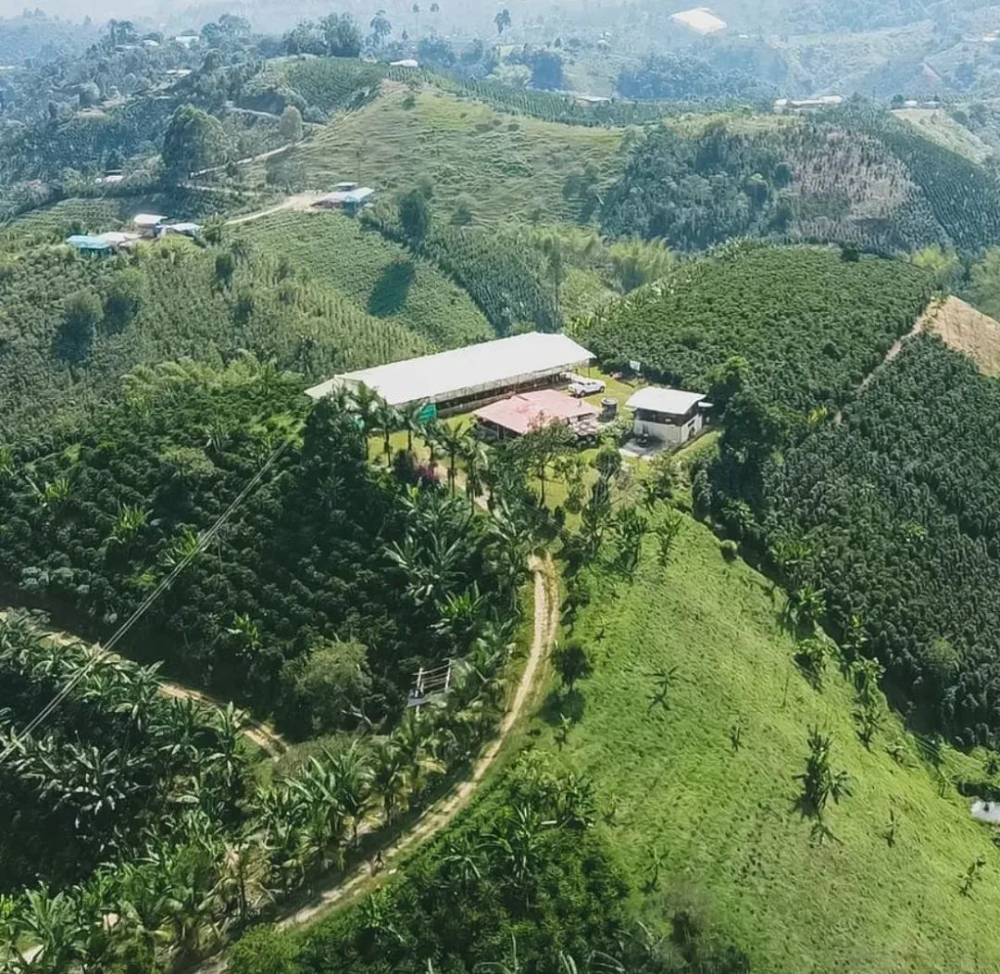
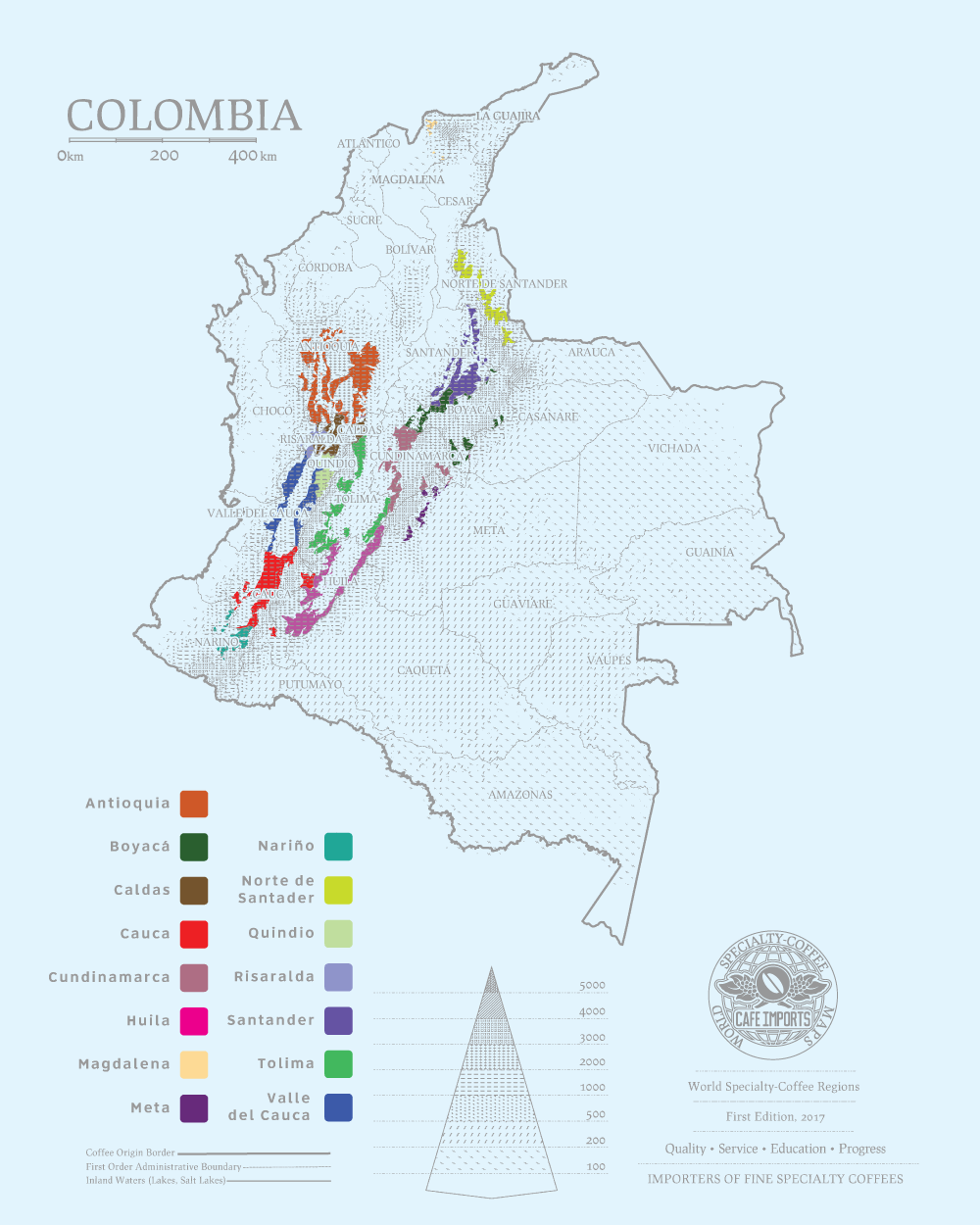
Coffee cultivation in Colombia is primarily distributed across three foothill areas of the western Andes mountains. The terraced farms built along the mountainsides create diverse microclimates, making year-round harvests possible. Among them, the Huila region in the southwest, with elevations generally exceeding 1,500 meters and significant day-night temperature differences, not only slows the ripening of coffee cherries but also promotes the accumulation of sugars and flavor compounds. The terrain here is mainly hilly and canyon-like, with mountain winds regulating temperatures, supplemented by abundant water from tributaries of the Colombian River and mineral-rich volcanic black soil. Together, these elements nurture top-tier coffee that boasts both nutty and chocolatey aromas alongside bright fruit acidity. Huila is thus regarded as an iconic specialty coffee region in Colombia. Using the locally dominant Caturra variety and traditional washed processing, this representative everyday Huila bean is crafted.
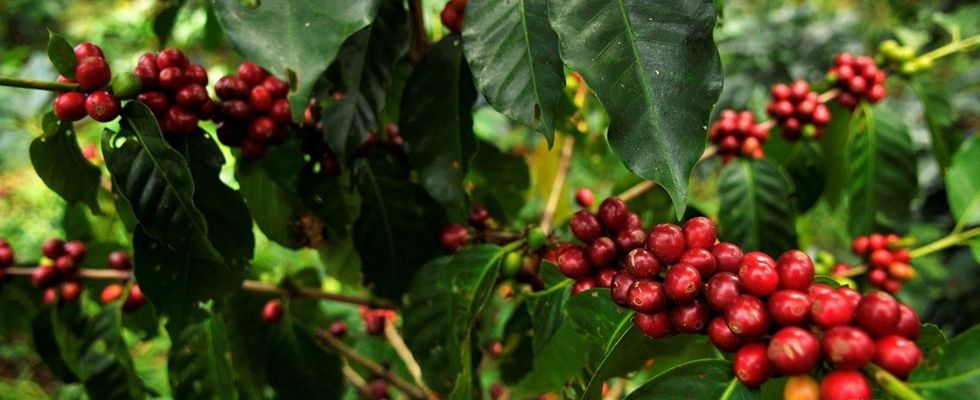
The washed processing method for Huila-region coffee beans in Colombia follows traditional techniques with strict quality control at every step. Local harvesters carefully select ripe red cherries, first using floatation to remove unripe ones, then employing a depulper to remove the outer pulp and fruit layer. Next, the mucilage-covered coffee beans are soaked in water tanks for fermentation lasting 16 to 36 hours, during which microbial activity breaks down residual mucilage. After fermentation, the beans are thoroughly rinsed with large amounts of clean water to ensure no impurities remain, and are finally spread out on raised beds for sun drying. This process significantly reduces defect rates and preserves the beans’ original aromas, making it the optimal processing method for showcasing regional flavors.
Caturra is a natural mutation of the Brazilian Bourbon variety, discovered in 1937. Its plants are shorter, less resistant to disease, but suitable for high-density planting, yielding higher output per unit than traditional Bourbon. This variety is widely grown in Central America and is known for its bright acidity and rich fruit notes. After medium-dark roasting, it often exhibits sweet chocolatey and nutty finishes, frequently earning praise in international competitions. Caturra appears in multiple coffee products, and if you want to experience its clean and clear flavor profile, the washed Huila everyday bean is an excellent entry choice.
For medium-dark roasted Huila beans, which are relatively loose in texture and have a high water absorption rate, to avoid over-extraction that can bring out off-flavors, it is recommended to use a medium grind size (e.g., 75% passing through a standard #20 sieve). In terms of water temperature, slightly below the usual 90°C helps reduce burnt or bitter notes, while pairing with the KONO filter enhances extraction efficiency. The unique design of the KONO filter lies in its exhaust holes located only at one-quarter of the rib area. Once the water level covers the ribs, the internal water level gradually rises, and the weight of the water creates pressure. Combined with a smaller outlet, this extends the contact time between coffee grounds and water, effectively extracting more soluble substances and giving the coffee a richer, fuller body—especially suitable for medium-dark roasts such as Mandheling or Huila.
During actual brewing, it is recommended to use the three-stage extraction method: first, place 15 grams of ground coffee into the filter, pour 30 grams of hot water for a 30-second bloom, using a small stream of water to evenly circle from the inside out; the second stage involves pouring 95 grams of water, and after the flow rate slows down, pour the final 100 grams of water, with a total extraction time of about 2 minutes, allowing a ±10-second margin of error. This parameter set can steadily present the chocolatey, nutty, and caramel aromas of the Huila beans. The cup is smooth and sweet with moderate body and a clean taste. As the temperature slightly drops, the delicate and soft acidity becomes even more pronounced.
The above content is compiled by CoffeeHunters, a coffee news website.


