








Introduction:The Lychee Orchid coffee beans from Honduras Mocha Estate showcase a unique lychee acidity and a winey chocolate sweetness, achieved through a wine barrel fermentation processing method. This article provides an in-depth analysis of the bean’s origin, variety characteristics, and processing techniques, along with detailed records of a coffee shop’s roasting curve, cupping flavor profile, and practical V60 pour over parameters—including water temperature, grind size, and pulse pouring techniques—to offer coffee enthusiasts a comprehensive quality control reference.
The Lychee Orchid coffee beans produced by Honduras Mocha Estate have garnered significant attention in recent years due to their wine barrel fermentation processing. These beans emit a distinct creamy aroma in the dry scent and, when brewed, reveal a refreshing lychee acidity paired with a rich winey chocolate sweetness, offering a layered and well-balanced flavor profile. This article will dissect everything from origin information and variety features to processing methods, and fully disclose a coffee shop’s hands-on data in roasting and pour over brewing, providing coffee lovers with a practical quality control guide.
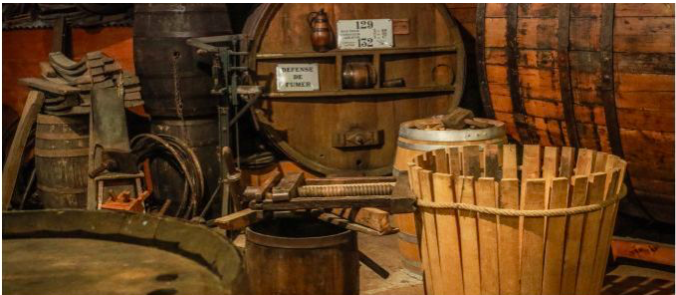
When roasting these Lychee Orchid coffee beans, a certain coffee shop chose to begin with a charge temperature of 220°C, setting the initial air vent to 4 and maintaining a flame power of 200. The warm-up phase took approximately 1 minute and 30 seconds. When the drum temperature rose to 140°C, the air vent was adjusted to 6 to enhance hot air circulation. Subsequently, at 151°C, the flame power was reduced to 120, and at 176°C, it was further lowered to 80 to precisely control the development pace of the beans. Around 8 minutes and 28 seconds, the bean surface began to show irregular wrinkles and dark spots, at which point the smell inside the roaster gradually shifted from toastiness to coffee aroma—this is typicallya key signal that first crack is about to begin..
By 9 minutes and 15 seconds, first crack officially commenced. At this point, the air vent was adjusted to 8, and special attention was paid to flame control to avoid setting it too low, which could result in indistinct cracking sounds. The first crack development phase lasted for 2 minutes and 10 seconds, and the beans were finally dropped at a bean surface temperature of 195°C. This roasting strategy aimed to fully highlight the rich sweetness brought by the wine barrel fermentation while preserving the fresh quality of the lychee acidity.
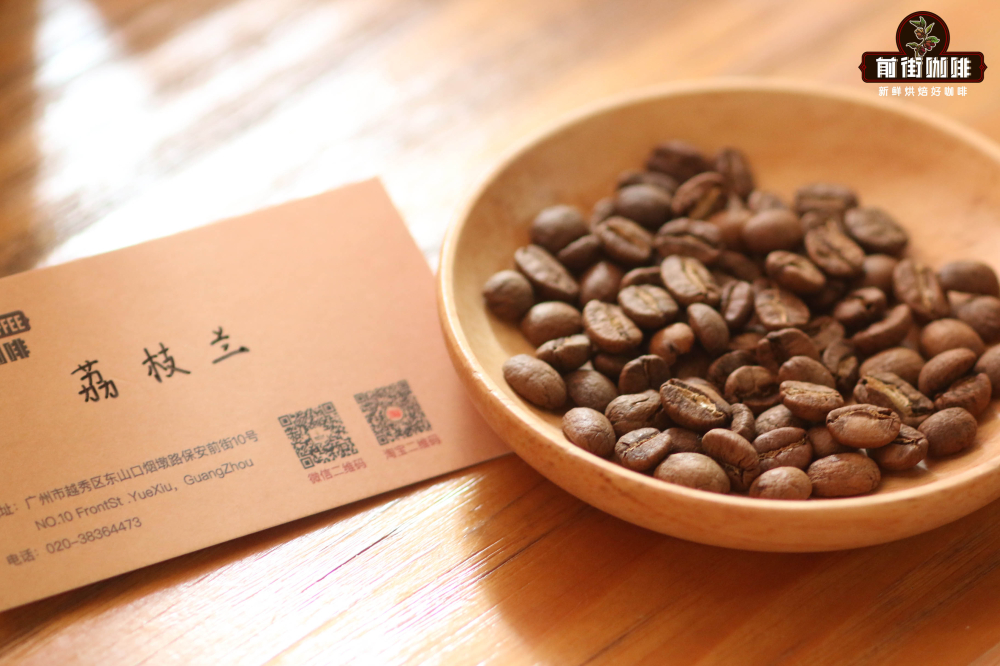
After 24 hours of resting post-roast, a certain coffee shop conducted immersion-style cupping to further analyze the flavor profile of these beans. During sipping, one can clearly perceive the intensity of the winey chocolate, the velvety texture of the cream, the sweetness of the honey, and the bright fruit acidity. The overall flavor profile strongly resonates with the imagery of lychees. The cupping results not only confirmed the accuracy of the roasting curve but also provided an important basis for quality control in the shop’s final offerings.
For actual pour over brewing, it is recommended to use a Hario V60 filter, with a water temperature of 90°C and a 1:15 coffee-to-water ratio (for example, 15 grams of coffee to 225 milliliters of water). The grind size should be set to medium-fine—for instance, on an EK43s grinder, a setting of 9.5 may be used (approximately equivalent to an 80% passing rate through a No. 20 Chinese standard sieve). The pouring technique recommended is a pulsed extraction: start with 30 grams of water for a 40-second bloom (fresh beans release gas actively, so appropriately extending the bloom time helps develop flavors), then pour with a small stream in circles until reaching 124 grams for the first pour. When the water level is about to expose the coffee bed, continue pouring until reaching 228 grams, then stop. Finally, wait until the water level is about to expose the coffee bed again before removing the filter. The total extraction time should be controlled around 2 minutes, which effectively highlights the layered complexity and rich, lingering finish of these Lychee Orchid coffee beans.
The above content is compiled by CoffeeHunters, a coffee news website.


