







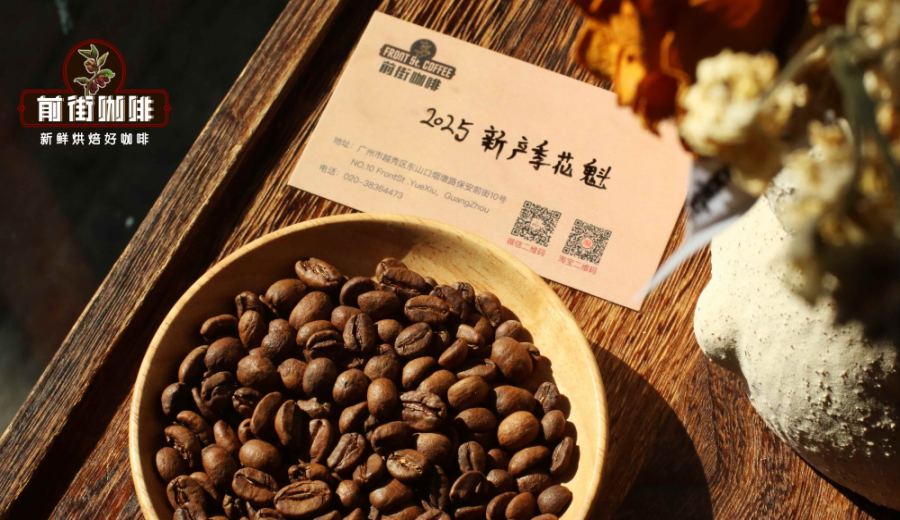
Introduction:Hakka 5.0 is a natural processed coffee bean from Ethiopia’s Buku Abel washing station in 2025, renowned for its rich berry sweetness and silky mouthfeel. This article delves into its origin background, roasting craftsmanship, and provides detailed parameters, steps, and practical tips for four common brewing methods—hot pour over, cold pour over, ice drip, and cold brew—to help you accurately capture the diverse flavor profile of this star bean.
Yirgacheffe Hakka 5.0, this new 2025 season Ethiopian natural processed coffee bean, has become a “summer exclusive” for many coffee enthusiasts with its creamy strawberry-like sweet aroma and juicy body. Sourced from Buku Abel washing station, it gained immense popularity in the Chinese coffee community after winning the TOH (Taste of Harvest) competition in 2017. Unlike the typical bright lemon acidity and white floral notes found in Yirgacheffe coffees, Hakka 5.0 takes a route of intense fermented sweetness—with soft acidity, prominent sweetness, and distinct berry and creamy finish.
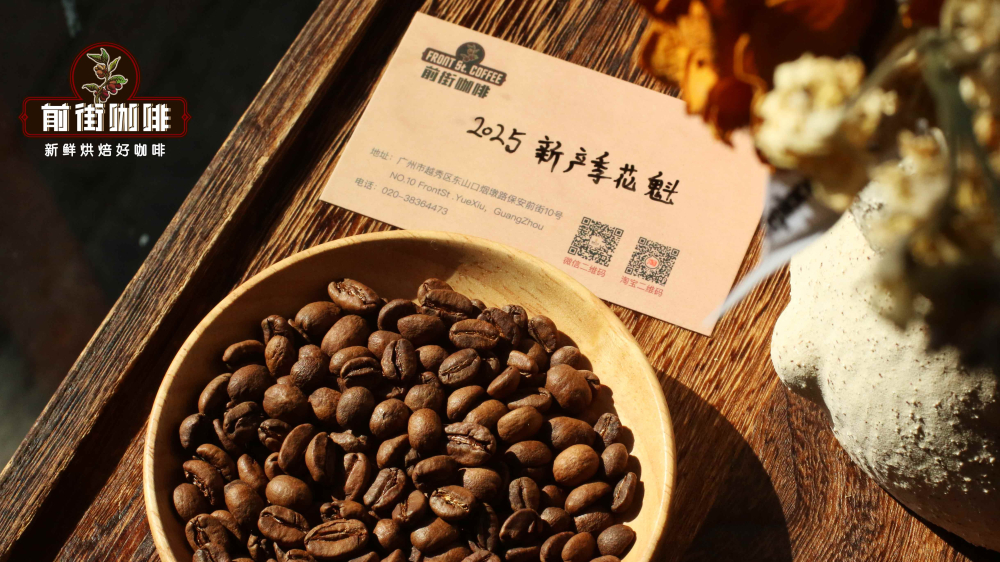 The charm of this coffee lies not only in its unique flavor profile but also in its ability to present varied taste layers through different brewing methods. A professional coffee roasting and brewing research entity (referred to herein) specifically designed four common home brewing techniques—hot pour over, cold pour over, ice drip, and cold brew—for Hakka 5.0’s high-altitude hard bean characteristics, adjusting corresponding parameters to fully bring out its potential. Whether you’re a beginner or an advanced enthusiast, mastering key details will allow you to consistently recreate Hakka 5.0’s gentle flavors at home.
Let’s first revisit the “lineage” of Hakka 5.0: In 2017, Ethiopia’s DW Coffee Company sent coffee beans from its Buku Abel washing station to the TOH (Taste of Harvest) green coffee competition hosted by the African Fine Coffees Association. One particular lot stood out with its striking strawberry and creamy aroma, winning the Ethiopia regional championship that year. These champion beans were later introduced to China and dubbed “Hakka” due to the prestige of the competition. Notably, in the same year, Beijing-based competitor Li Jianfei used the 2017 Hakka to win second place in the China leg of the World Brewers Cup (when most competitors used Geisha), further boosting its fame.
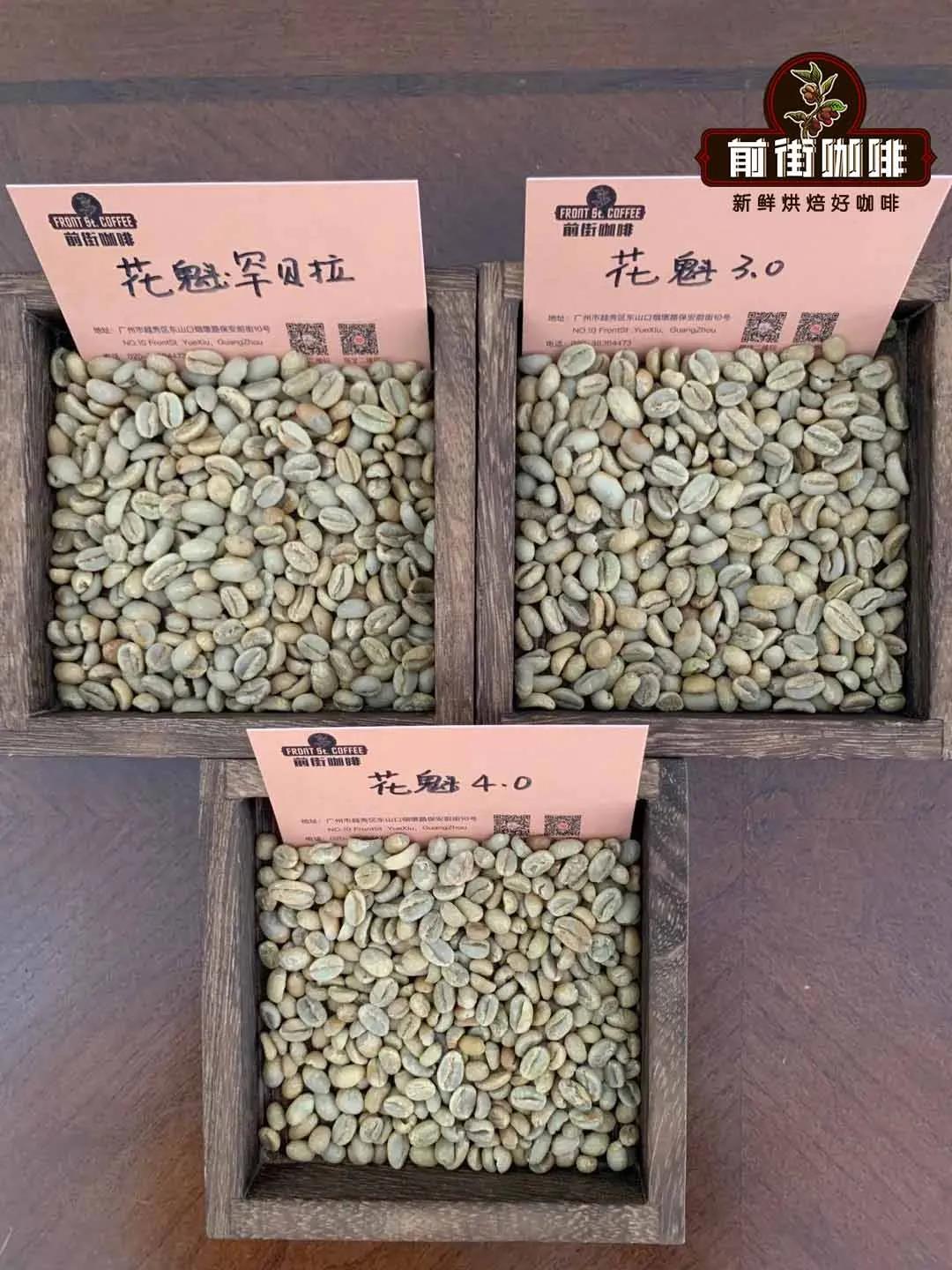
However, Hakka 5.0 is not the original “Hakka.” Due to climate change and variances in growing environments, the Hakka series adjusts its flavor profile annually based on batches: 2018 was Hakka 2.0, 2019 saw the launch of Hakka 3.0 and 3.1, 2020 brought Hakka 4.0, and Hakka 5.0 debuted in 2021. Although all are from Buku Abel washing station and continue the natural processing method, annual flavor nuances are still subtly adjusted according to climate, soil, and other conditions.
Given Hakka 5.0’s high-altitude hard bean characteristics (grown at approximately 2250–2350 meters above sea level), one entity extended the drying phase during roasting (from turn-around to yellowing point) to ensure the core of the beans was sufficiently heated and avoided underdevelopment. At the same time, the mid-phase (from yellowing to first crack) was prolonged to enhance the sweetness and fermentation layers brought by the natural process. Additionally, to prevent the loss of acidic-sweet flavors after first crack, slight increased heat was applied before first crack to control the development time. These craftsmanship details ultimately allow Hakka 5.0 to achieve a perfect balance of creamy strawberry sweetness and silky mouthfeel.
 The key to brewing Hakka 5.0 lies in how to bring out its intense fruity aroma and sweetness. For common hot pour over and cold pour over methods, it is recommended to use higher water temperature and finer grind size, but paired with a faster-flowing filter cone (like V60) to avoid over-extraction. The V60’s 60-degree conical design allows coffee grounds to be centrally distributed, and as water is poured, the flow naturally converges toward the center, extending the contact time between water and coffee. The inner clockwise spiral ribs extend from the bottom to the top, combined with the large hole at the bottom, leaving sufficient space between the filter paper and the cone, resulting in a faster flow rate than most filters—ideal for highlighting Hakka’s layered profile.
Hot Pour Over Parameters: Water temperature 90°C, brew ratio 1:15 (15g coffee), medium-fine grind size (80% passing through a Chinese No. 20 sieve).Brewing Steps: First, bloom with 30g water for 30 seconds (forming a “hamburger” bed); in the second stage, pour up to 125g at 1:00 minute, then wait until the water level drops to two-thirds of the coffee bed before continuing; in the third stage, pour up to 225g at 1:40 minute, with total brew time around 1:59. After extraction, gently swirl the server to mix evenly for a more uniform flavor.
Cold Pour Over Parameters: Water temperature 91°C, brew ratio 1:10 (15g coffee), medium-fine grind size (85% passing through a Chinese No. 20 sieve), with 100g of ice.Brewing Steps: Also a three-stage pour—first, 30ml bloom for 30 seconds, second 60ml, third 60ml; finally, pour the brewed coffee into a cup with ice, and gently swirl to mix evenly. This method preserves sweetness while lowering overall temperature, ideal for those who prefer a cooler drink.
 If you want to experience even colder extraction flavors, ice drip and cold brew are great options.Ice Drip Parameters: Use 60g coffee, aiming to extract 600ml of coffee (brew ratio 1:10), with a slightly finer grind than pour over (about 85% passing through a No. 20 sieve). Mix ice and water in a 1:1 ratio, and control the drip rate at 7 drops per 10 seconds using a flow control valve. The entire process takes about 6–8 hours. It is recommended to bottle and chill the coffee for 12 hours after extraction for a rounder flavor.
Cold Brew Parameters: Grind slightly finer than pour over (75%–80% passing through a Chinese No. 20 sieve, roughly the coarseness of granulated sugar; corresponds to approximately 9.5–10 on the EK43s or 22–26 on the C40 hand grinder). Suggested brew ratio 1:10 (using room-temperature water). Stir well, seal, and refrigerate for 8–12 hours (ideally within 12 hours). Filter out the grounds before drinking. For straight black coffee, adjust the brew ratio to 1:12–1:13 to improve palatability; if adding fresh milk later, it is recommended to increase concentration to 1:10–1:11 to avoid dilution and insufficient flavor.
Special Note: Ice drip and cold brew are low-temperature extraction methods, where flavor development is slower but stability is high. Regardless of which method you choose, it is recommended to consume the brewed coffee within 5 days after preparation to ensure optimal flavor and food safety.
The above content is compiled by CoffeeHunters, a coffee news website.


