







Introduction:Geisha coffee is renowned for its delicate floral aromas and bright fruity acidity, with Panamanian Geisha from Hacienda La Esmeralda standing out as a benchmark in the specialty coffee world. This article delves into the origins of Geisha, explores the characteristics of Panama’s major producing regions, analyzes why the Boquete region can cultivate top-tier Geisha, and explains whether Geisha is suitable for making espresso, offering practical roasting and brewing advice to help coffee enthusiasts fully understand this star coffee bean.
Geisha coffee, also known as Gesha coffee, has captivated specialty coffee lovers worldwide with its unique floral notes, citrus tones, and refined acidity. Among them, the Geisha produced by Panama’s Hacienda La Esmeralda is considered the archetype of the variety. The exceptional performance of this coffee is inseparable from its genetic background originating in Ethiopia, but what truly allowed Geisha to shine is Panama’s unique high altitude and microclimate environment—especially the volcanic soil and significant day-night temperature variation in the Boquete region.
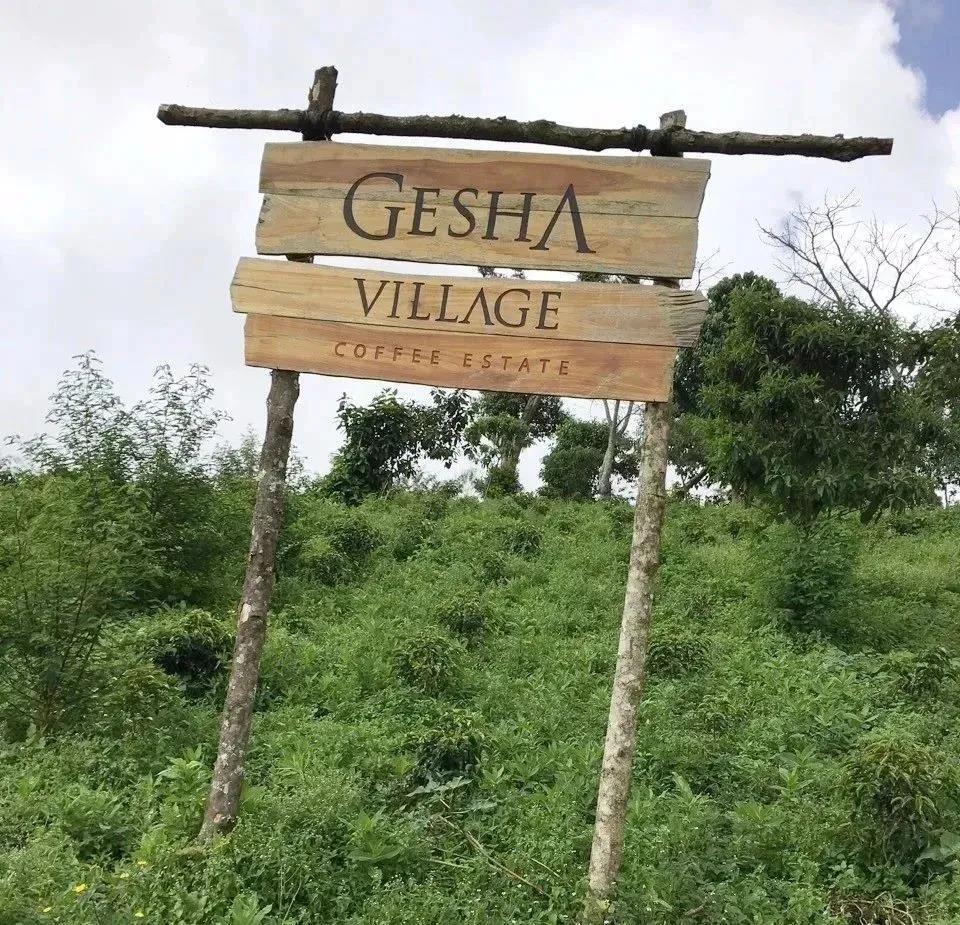
The Geisha variety was first discovered in 1931 in the Gesha Forest of Ethiopia, where it was initially used only as a windbreak and went unnoticed. It wasn’t until 1936 that it was introduced to Kenya, later spreading to Uganda, Tanzania, Costa Rica, and finally Panama in the 1970s. In 2004, Hacienda La Esmeralda entered Geisha into the Best of Panama (BOP) competition and won first place, forever changing the fate of Geisha and establishing Panama as a significant player in the global specialty coffee map.
Many people wonder if Panamanian Geisha is suitable for making espresso. The answer is yes, but several key factors need to be considered. SOE (Single Origin Espresso) refers to making espresso using single-origin specialty coffee beans, and Geisha falls into this category. However, unlike common dark-roasted blends, Geisha is typically roasted lightly to medium, and if used for espresso, the roast level and extraction parameters need to be adjusted; otherwise, it may result in overly sharp acidity or unbalanced flavors.
Panama’s geographical environment has a profound impact on Geisha cultivation. The country is predominantly mountainous, with a tropical maritime climate featuring significant day-night temperature differences, an average annual temperature between 23–27 degrees Celsius, distinct wet and dry seasons, and annual rainfall of approximately 1500–2500 mm. Among these, the Boquete region in the Chiriquí Province of northwestern Panama, near the border with Costa Rica, is the golden land for growing Geisha.
The Boquete region sits at an altitude of 1400–1900 meters, with a cool and humid climate, coupled with fertile volcanic soil from the nearby Volcán Barú, creating a microclimate highly conducive to Geisha growth. The region’s varied terrain and microclimates mean that even neighboring farms can produce distinct flavor profiles. In addition to the well-known La Esmeralda, estates like Elida Estate and Finca Kotowa Duncan also produce high-quality Geisha coffee.
When talking about Panamanian Geisha, one cannot overlook La Esmeralda. This estate was purchased in retirement by Swedish-born banker Rudolph A. Peterson for leisure purposes but gained fame almost by accident through competition. In 2004, La Esmeralda’s Geisha won the BOP competition and has since received numerous international accolades, becoming a sought-after item in global auction markets. The estate’s Geisha is typically divided into three grades: Red Label, Blue Label, and Green Label, with the Red Label being the auction-grade batch of the highest quality.
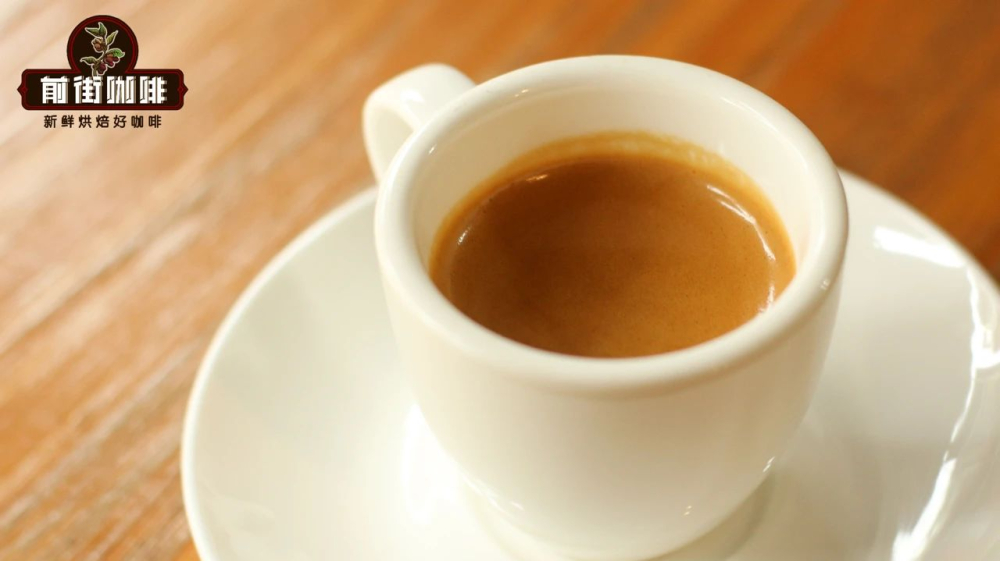
So, is Geisha suitable for making espresso? Technically, it is possible. By adjusting the roast slightly darker and controlling grind size and extraction time, you can produce a uniquely flavored SOE espresso with Geisha. However, many specialty coffee shops, including some well-known roasters, still choose to present Geisha via pour over, as its delicate aromas and layered complexity are better fully expressed through this method.
Additionally, Geisha coffee’s body and sweetness are not as full in the light roast state as those of dark-roasted beans, which may come across as thin when used in milk-based coffee or Americano. Furthermore, Geisha has a narrow extraction window, presenting a certain challenge for general cafés aiming to consistently control output quality. As a result, many cafés opt for blends to ensure daily flavor consistency and customer experience.
If you’d like to try brewing Geisha at home, whether using pour over or espresso, it’s recommended to use freshly roasted beans within five days of roasting and let the beans rest for 4–7 days after opening to reach their optimal flavor window. If you purchase pre-ground coffee, it is advised to use it as soon as possible to avoid rapid flavor loss due to air exposure. Regardless of the brewing method chosen, understanding the bean’s characteristics and adjusting parameters are key to enjoying the full deliciousness of Geisha.
The above content is compiled by CoffeeHunters, a coffee news website.


