







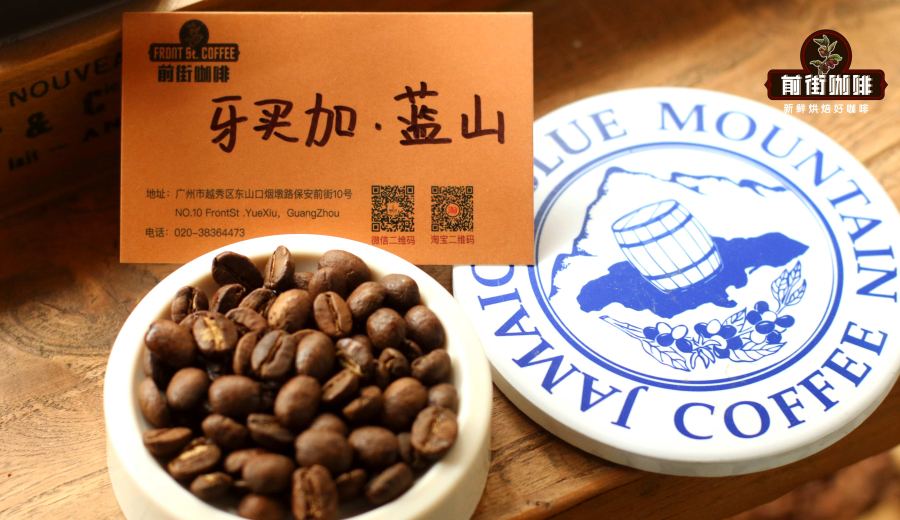
Introduction:Blue Mountain No. 1 coffee is hailed as the "King of Coffees," but to truly brew a cup with balanced flavors, cleanliness, and a rich body, every step—from bean selection to pouring—requires precision. This article delves into the key points for identifying authentic Blue Mountain No. 1, the importance of freshness in roasting, and provides expert pour over parameters, including water temperature, grind size, and pouring rhythm, to help you master the essential techniques and fully unlock the dark chocolate, nutty, and creamy delicate flavors of Blue Mountain.
Blue Mountain coffee has long been known as the "King of Coffees," but brewing an outstanding cup from these precious beans actually involves subtle expertise at every stage. Whether it’s selecting genuine beans, paying attention to roast freshness, or adjusting water temperature, grind size, and pouring technique during pour over, all deeply affect the final flavor. Below, we’ll break down in detail the tips for choosing Blue Mountain No. 1, storage essentials, and practical pour over extraction settings, so you too can brew a cup of Blue Mountain coffee at home that boasts richness, cleanliness, and balance.
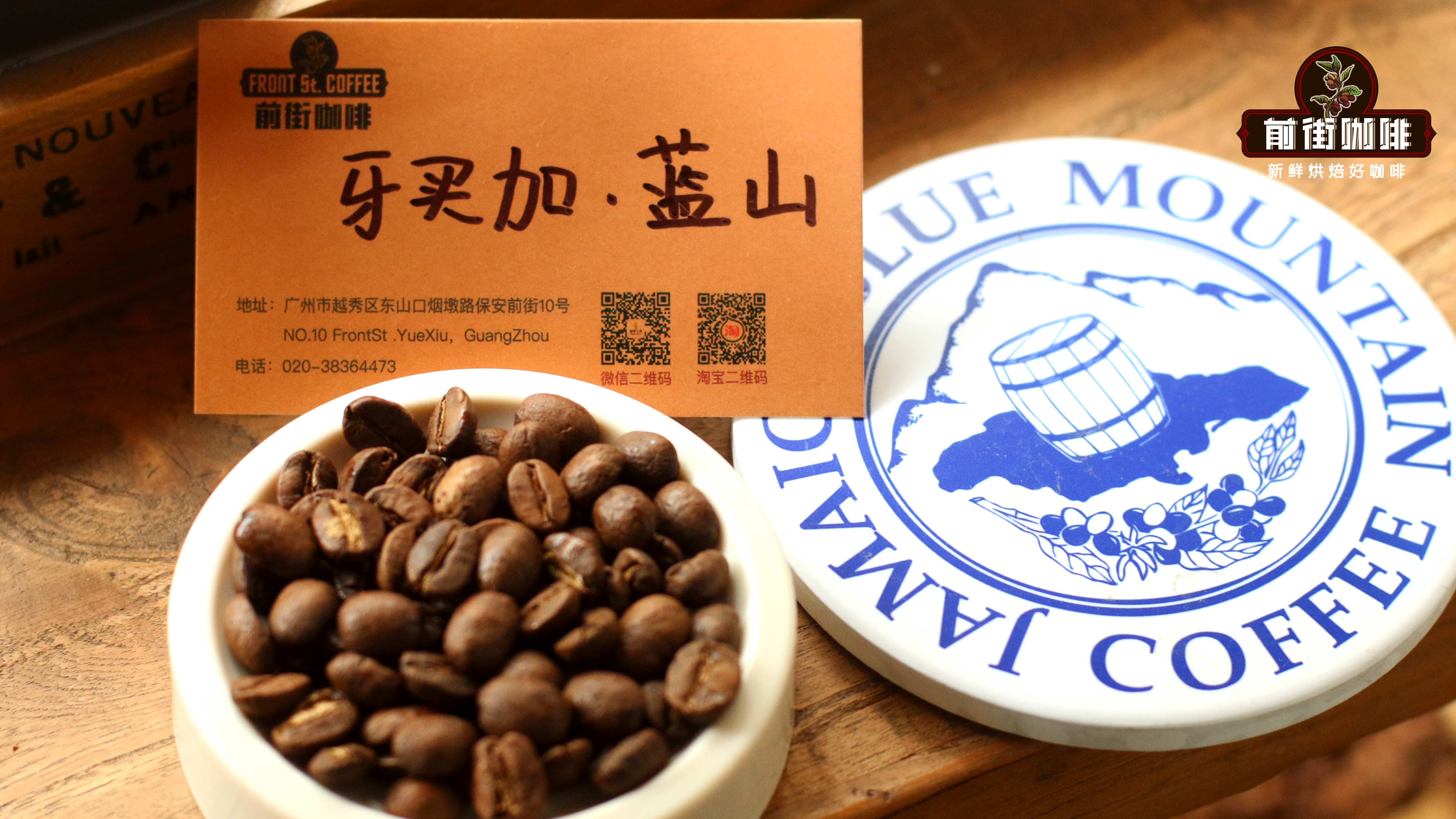
If you want to brew an excellent cup of Blue Mountain No. 1 pour over coffee, the key lies in three elements: selecting genuine Blue Mountain No. 1 beans, ensuring the beans are still at their peak flavor period after roasting, and using a brewing strategy that matches the characteristics of Blue Mountain. Next, we’ll guide you step by step on how to go from bean selection to brewing, fully showcasing the unique charm of Blue Mountain.
How to distinguish authentic Blue Mountain coffee?
Due to the extremely limited production of Blue Mountain coffee, combined with Jamaica’s unique terrace terrain that is not conducive to mechanized farming, as well as cost factors such as labor and natural disasters, the amount of Blue Mountain No. 1 that enters the market each year is scarce, hence the relatively high price. In Taiwan or overseas markets, the price of authentic Blue Mountain No. 1 roasted beans generally ranges from 150 to 300 NT dollars per 100 grams, which can serve as a preliminary reference.
Additionally, according to Jamaican official regulations, all exported Blue Mountain coffee must be shipped in wooden barrels. Therefore, if you see a seller claiming to sell Blue Mountain No. 1 but cannot provide information on the wooden barrels or related proof, then you should be vigilant. When purchasing, it is recommended to prioritize merchants who can show complete wooden barrel information to reduce the risk of buying counterfeit products.
Another key proof is origin certification. Buyers of Blue Mountain coffee (usually large importers or roasting brands) can apply for authentic certification documents from the Jamaica Coffee Industry Board (CIB) or the origin estates. This certificate, issued officially or by the origin, can effectively verify the source and quality of the beans. Therefore, it is recommended that consumers ask the seller before purchasing whether they can provide relevant proof, to ensure that what you’re getting is genuine Blue Mountain No. 1.

Why is freshly roasted coffee crucial for extraction?
The captivating regional flavors of coffee mainly come from the small-molecule compounds generated during roasting. However, these substances are highly prone to evaporation over time. Once the coffee beans lose their "freshness," these small molecules largely dissipate, leaving mostly large molecules and bitter components, naturally resulting in a significant decline in flavor.
The so-called "best enjoyment period" refers to the time frame when the coffee beans exhibit their most ideal flavors, which is different from the expiration date on the product packaging. Generally speaking, professionally roasted coffee beans begin to stabilize about 5 days after roasting, and the recommended golden drinking period is around one to one and a half months after roasting. It is advised that consumers enjoy them within this period to get the richest flavor layers.
It’s important to note that freshly roasted coffee beans release a large amount of carbon dioxide. If extraction is performed immediately, it can interfere with the contact between water and coffee grounds, affecting extraction evenness. Therefore, it’s recommended to let unopened coffee beans rest in their original packaging for 3 to 6 days (depending on roast level), allowing the beans to naturally release carbon dioxide while also making the flavor smoother and reducing "roast harshness."
How should Blue Mountain No. 1 be pour over brewed to showcase its best flavors?
Blue Mountain No. 1 uses the Typica variety, one of the oldest and purest-flavored types within Arabica. To highlight its rich, solid mouthfeel and clear layers, Blue Mountain No. 1 is generally roasted to a medium-dark level, making the flavors more concentrated.
Given these roasting characteristics, it is recommended to use a KONO filter for pour over. The design of the KONO filter allows the filter paper to fit tightly against the cup wall, helping to create an immersion-like extraction effect, thereby enhancing the overall richness and smoothness of the coffee. But to avoid over-extraction leading to prominent bitterness, the water temperature should be moderately lowered, and a slightly coarser grind size should be chosen to balance the overall flavor.
Specifically, it is recommended to use a medium-coarse grind (about the size of coarse sugar, or with a 70% passing rate through a Chinese No. 20 sieve as a reference), and to control the water temperature between 88 and 89°C. In actual operation, the recommended brewing steps are as follows: first pour 30 grams of hot water for blooming, for about 30 seconds; then pour up to about 125 grams, wait until the water level drops to half, then continue pouring up to a total of 225 grams, until the coffee liquid has completely dripped through. The overall extraction time is recommended to be around 2 minutes and 10 seconds.
Through these parameters and techniques, Blue Mountain No. 1 typically showcases a rich profile of dark chocolate and nuts as the main notes, accompanied by a creamy, silky mouthfeel, with acidity, sweetness, and bitterness achieving an excellent balance, delivering to the drinker a highly layered and smooth coffee experience.
The above content is compiled by CoffeeHunters, a coffee news website.


