








Introduction:Anaerobic fermentation processing has become a hot topic in the specialty coffee scene in recent years. By controlling the fermentation environment, it can impart richer layers and unique aromas to coffee beans. This article will delve into the steps and technical essentials of two anaerobic processing methods—anaerobic natural and anaerobic washed—and compare their flavor profiles. It also includes practical cupping and pour over parameters to help you understand how to choose the right coffee beans based on processing methods. Whether you're a beginner or an advanced enthusiast, you’ll gain key insights into bean selection and tasting.
As specialty coffee culture becomes more widespread, consumers’ exploration of coffee is no longer limited to origin and roast level, but increasingly focuses on post-harvest processing methods. Among these, anaerobic fermentation processing stands out for its ability to highlight rich and complex flavor characteristics, drawing attention from many coffee lovers and professionals. This article will provide a comprehensive introduction to the two main anaerobic processing techniques—anaerobic natural and anaerobic washed—covering everything from processing steps, technical principles, and flavor differences to actual cupping performance and pour over recommendations. This will help you gain a deeper understanding of how these processes shape the final flavor profile of coffee.
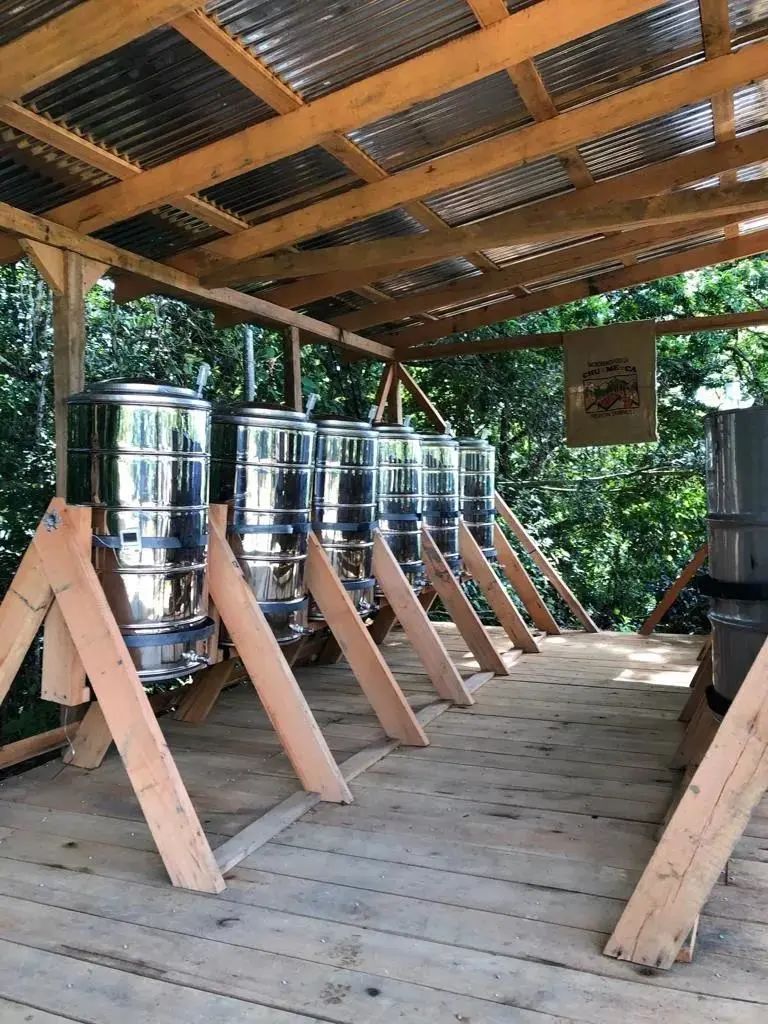
The basic concept of anaerobic fermentation is to carry out a fermentation reaction using natural enzymes and microorganisms within the coffee fruit by controlling temperature, pressure, and time in a low-oxygen or even oxygen-free environment, thereby influencing the aroma, acidity, and body of the coffee beans. Typically, the entire coffee cherry or seeds with part of the outer skin removed are placed in a sealed stainless steel fermentation tank, sometimes submerged in water to stabilize the fermentation environment. This technique not only suppresses the growth of undesirable microbial populations but also guides the production of specific aromatic compounds, allowing the coffee to exhibit complex flavors such as cheese, cream, wine, and berries.
Although both anaerobic natural and anaerobic washed fall under anaerobic processing, there are notable differences in their actual execution. Anaerobic natural typically involves first fermenting the coffee cherries anaerobically, followed by drying them in the sun. This process retains more fruity flavors while adding sweetness and intensity. In contrast, anaerobic washed usually involves removing the outer skin and some pulp, then fermenting the seeds in water under anaerobic conditions before washing and drying them either in the sun or using mechanical dryers. This method often results in a cleaner acidity and a richer aromatic complexity. Both methods have their proponents, and their final flavor directions are distinctly different.
Based on actual cupping experiences, coffee processed with anaerobic natural often exhibits intense berry, wine-like, and caramel sweetness, with a full body and a long-lasting aftertaste. Its acidity is soft and has a juice-like smooth texture. On the other hand, anaerobic washed coffee often presents brighter citrus or floral notes, with clear yet non-sharp acidity, paired with delicate sweetness and a clean finish. It’s well-suited for those who prefer a refreshing flavor profile. However, these flavor expressions can also be influenced by factors such as origin, variety, altitude, and climate, so each tasting experience may bring new surprises.
In terms of actual pour over parameter settings, anaerobically processed coffee beans are denser and have a tighter structure. It is recommended to use a medium-fine grind size, and the water temperature can be slightly lower than usual for Central American or African beans, around 88–92°C, to fully showcase their layers and aromas. Taking the common three-stage extraction as an example: start by pouring a small amount of hot water for the bloom to awaken the coffee grounds, then gradually add 60% and 40% of the main extraction water volume. Pay attention to controlling the water flow and pouring speed, which helps balance the acidity, sweetness, and body, and avoids over-extraction or the development of overly strong fermented flavors.
A certain coffee brand once introduced several specialty coffee beans processed anaerobically, among which “Flower Moon Night” comes from the Huila region of Colombia and is a representative anaerobic natural bean. This region is known for its high altitude and good drainage, producing coffee that often features rich nutty, chocolatey, and dried fruit flavors. This particular Flower Moon Night exhibited intense strawberry wine aromas and a chocolate base in cupping, while pour over brought out strawberry acidity, jam-like sweetness, and a soft cocoa finish. Its texture was as smooth as juice, making it ideal for those who enjoy fruit-forward flavors and wine-like notes.
Another anaerobic natural bean, “Monster Estate” from Costa Rica, emitted strong cinnamon and caramel aromas in cupping and displayed gingerbread and spice-like characteristics after pour over, earning it the nickname “Christmas coffee bean.” These flavor expressions highlight the potential of anaerobic processing to bring out unique spicy and sweet aromas, making it a great choice for the holiday season or for coffee lovers eager to try novel flavors.
Compared to anaerobic processing, traditional washed and natural techniques each have their own charm. Washed processing can maximally highlight the uniqueness of the coffee variety and origin, with clean and bright acidity, a clear flavor profile, and relatively lower risk due to the removal of fruit pulp beforehand. It suits those seeking stability and layered flavors. Natural processing, on the other hand, involves directly sun-drying the whole coffee cherry, allowing the sugars and aromas from the fruit pulp to penetrate the seed. This results in intense fruitiness, a full body, and lower acidity, and is a common traditional method in tropical regions, favored by those who love sweet flavors.
No matter which processing method you prefer, you can choose the coffee beans that best suit your taste by understanding their technical principles and flavor characteristics. Although anaerobic processing has a higher technical threshold, the innovative flavors and layers it brings undoubtedly add more possibilities to the world of specialty coffee and are a field well worth exploring in depth.
The above content is compiled by CoffeeHunters, a coffee news website.


