







Introduction:Delve into how the geography and microclimates of Ethiopia’s Sidamo region shape coffee flavors. This article starts with its two major sub-regions, Guji and West Arsi, detailing the unique characteristics of Huila and sundried Arsi, and analyzing their natural processing methods and G1 grade standards. Practical V60 pour-over recommendations and extraction parameters are also provided to help you better capture the layers and fruity notes of Sidamo coffee.
Sidamo is one of Ethiopia’s most iconic specialty coffee regions in the south, renowned for its bright acidity, delicate floral notes, and layered flavors. The coffees from this area not only showcase the diversity of Ethiopia’s native varieties but also develop highly distinctive flavor profiles thanks to high altitudes and special soil conditions. This article will guide you through Sidamo’s geographical environment, the terroir features of its well-known sub-regions—Guji and West Arsi—and explore the origins and naming background of “Huila” coffee. We’ll also break down the key steps in natural processing and the G1 grade standards. In addition, we’ve compiled practical V60 pour-over parameters along with specific flavor descriptions to give you a more comprehensive understanding of the essence of Sidamo coffee.
As the birthplace of coffee, Ethiopia boasts the world’s richest coffee gene pool, with notably distinct flavor profiles across its producing regions. Among global coffee-producing countries, Ethiopia ranks sixth. In 2018, it was estimated that about 100 million people, or one-fifth of the country’s population, depended directly or indirectly on the coffee industry for their livelihoods. In 2017, the country produced around 470,000 metric tons of green coffee beans and exported approximately 160,000 metric tons, indicating a vibrant domestic consumption market as well.
Ethiopia has a long-standing coffee culture and is generally divided into eight major producing regions: Lekempti, Limu, Illubabor, Djimmah, Harar, Teppi/Bebeka, Sidamo, and Yirgacheffe. Among these, Yirgacheffe and Sidamo are the two most prominent specialty coffee origins. Yirgacheffe is known for its citrus and floral notes, while Sidamo is celebrated for its soft acidity and refined floral aromas.
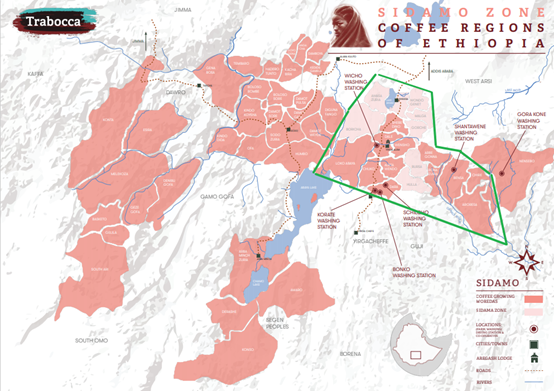
Located in the southern part of the Ethiopian Highlands, Sidamo sits at an average elevation between 4,600 and 7,200 feet (approximately 1,400 to 2,200 meters). Adjacent to Kenya, it lies southeast of Gimma and directly south of the capital. The region produces around 225,000 bags (60 kg per bag) of green coffee beans annually. The fertile soil here mainly relies on natural organic cycles, such as nutrients from fallen leaves and plant roots, resulting in distinctive coffees from different villages. Sidamo beans often vary slightly in size and have a light grayish hue. Flavor-wise, they present gentle to bright acidity, varying body, and a blend of sweetness with spicy notes. Compared to other African origins, Sidamo exhibits clearer fruit acidity, smoother mouthfeel, and more delicate floral aromas.
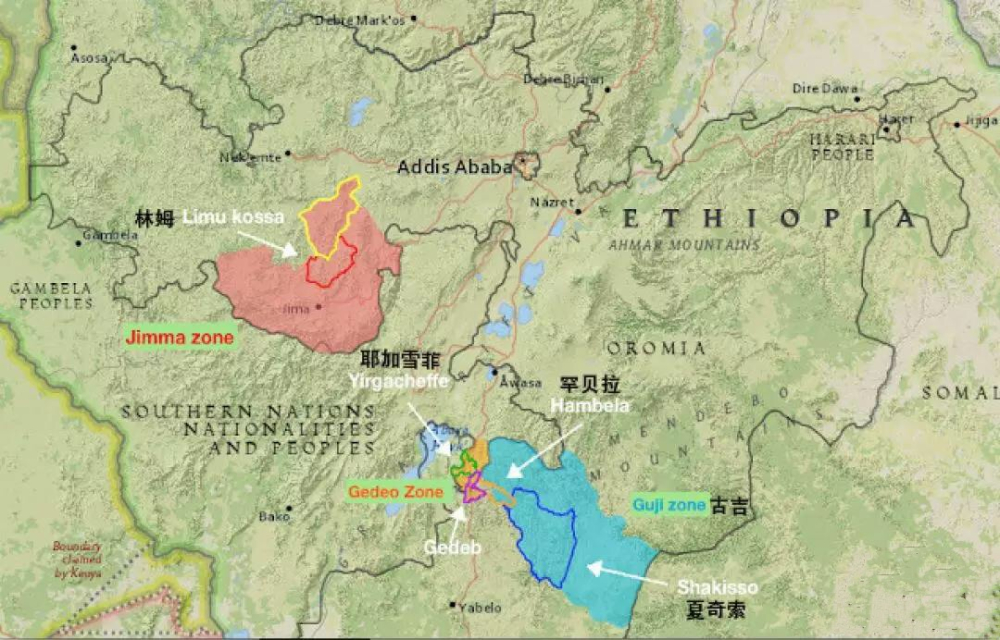
Sidamo encompasses two well-known sub-regions: Guji and West Arsi. Among them, Guji is the birthplace of the Huila coffee. Originally part of Sidamo, Guji was officially designated as a separate region by the Ethiopian Commodity Exchange (ECX) in 2010. It lies southeast of Yirgacheffe, featuring diverse terrains with high mountains, deep valleys, and expansive plains. The soil is predominantly rich black clay (Vertisol), with layers nearly two meters deep and an average altitude exceeding 1,800 meters. The significant diurnal temperature variation provides ideal conditions for sugar accumulation and flavor development in coffee.
Huila coffee comes from the Hambella area within Guji. Administratively, Hambella belongs to the Oromia Region and borders Kochere of Yirgacheffe to the west, separated by a mountain ridge about 3,200 meters high and roughly 30 kilometers wide. To the east, south, and north, it connects with other sub-regions of Guji such as Shakiso, Uraga, and Kercha, making it one of the highest-altitude coffee-growing areas in Ethiopia. There are currently about 20 processing facilities of varying sizes in Hambella. Among them, the Buku Abel washing station produced a natural batch that won the Ethiopian regional championship in the 2017 TOH (Taste of Harvest) green bean competition with its intense strawberry and creamy aroma. These beans were later introduced to China by Hongshun and helped Li Jianfei secure second place in the 2017 World Brewers Cup China Division. Standing out among many Geisha entries, it was thus named “Huila”—meaning the crème de la crème, akin to a top geisha entertainer, symbolizing its exceptional quality. Subsequent batches have had slight annual flavor variations, leading to version distinctions such as Huila 2.0, 3.0, 3.1, 4.0, 5.0, and 6.0.
West Arsi is another important specialty coffee sub-region of Sidamo, situated between Yirgacheffe and the Hararge region, at an altitude of approximately 1,900 to 2,200 meters. The name originates from the Oromo people, a major local ethnic group believed to be among the first to consume coffee, and who account for about half of Ethiopia’s total coffee production. West Arsi comprises three administrative zones: Arsi, Bale, and East Shewa, with around 88.52% of its population being Oromo. Coffee in this region is primarily grown by smallholders, with an average farm size of about 2 to 3 hectares. Though techniques are still developing, quality control awareness is strong. Through family-assisted sorting of red cherries and incentive payments for ripe fruit, overall quality has been effectively improved.
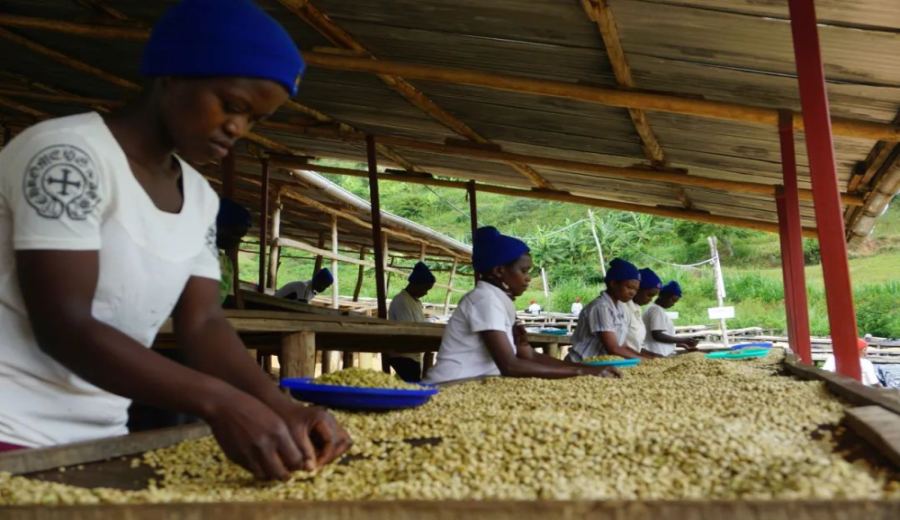
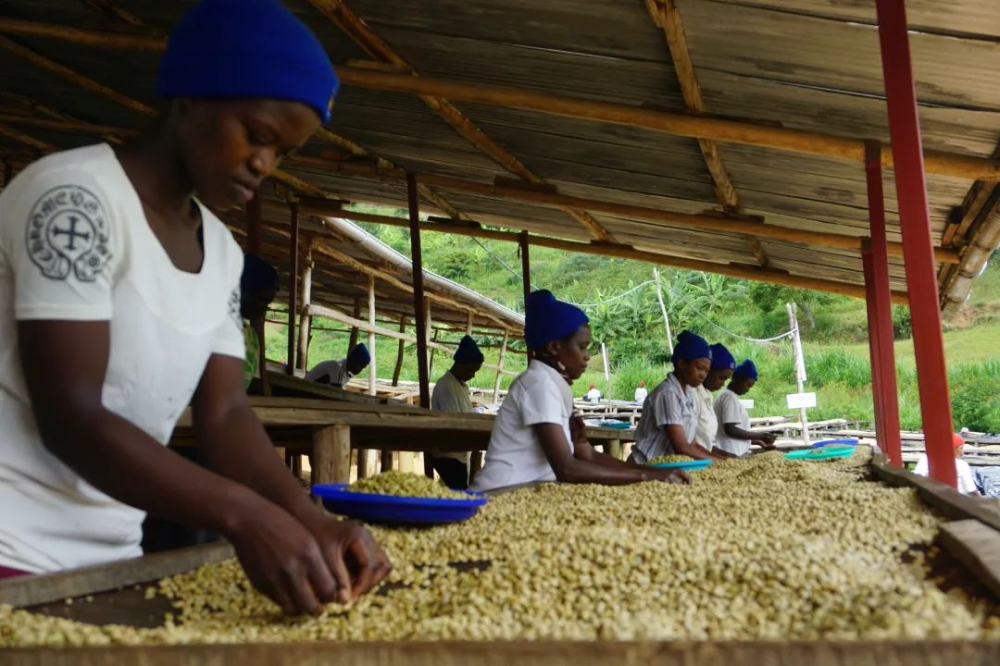
The Sidamo region commonly employs the natural (sun-dried) processing method, in contrast to the washed process often used in Yirgacheffe. Natural processing preserves the fruit sugars more fully, giving the coffee intense fruitiness and a smooth mouthfeel. During harvest season, farmers select only fully ripe red cherries, manually removing underripe or overripe beans. The coffee fruits are then evenly spread on raised wooden frames or tarpaulins to avoid ground contact and unwanted odors. During sun drying, the cherries need to be turned multiple times daily to ensure even drying, and any moldy or defective beans are removed every three to five days. Once the skins harden completely, a pulper is used to remove the fruit pulp, followed by a final screening to meet the G1 top-grade standard.
To fully showcase the delicate flavors of Sidamo coffee, freshness is crucial. It’s recommended to choose beans roasted within 5 days and let them rest for 4 to 7 days after arrival to reach their optimal flavor window. If purchasing coffee powder, although the resting step can be skipped, note that powder oxidizes quickly, so it’s best to brew it as soon as possible to preserve peak flavor.
V60 Pour-Over Recommended Parameters (for Huila Coffee):
- Filter: V60
- Water Temperature: 90°C
- Coffee-to-Water Ratio: 1:15
- Coffee Dose: 15 grams
- Grind Size: 80% passing through a 20-mesh sieve (medium-coarse)
Brewing Steps:Start with a 30-second bloom using twice the coffee dose (about 30 grams) of water to release CO₂ and stabilize extraction. Then pour in a slow circular motion until reaching 125 grams for the first pour, followed by pouring up to 225 grams before stopping. Let the dripping finish before removing the filter. Total brew time is around 2 minutes. Finally, gently swirl the coffee before pouring it into your cup.
【2025 New Crop Season Sidamo Huila Flavor Profile】: Prominent floral notes, accompanied by layers of berry, citrus, and plum acidity, with a mango juice-like fruity aroma. The finish delivers honey and black tea sweetness.
【Natural West Arsi Flavor Profile】: At higher temperatures, it shows intense berry juice character. As it cools, it gradually reveals softer aftertastes of plum, nectarine, mango, and honey.
The above content is compiled by CoffeeHunters, a coffee news website.


