







Introduction:As a renowned high-altitude coffee-growing region, Yirgacheffe is known for its distinctly different flavor profiles between washed and natural processing methods, which directly influence the brewing parameters used for pour over. This article delves into the key extraction points for both processing methods—including grind size, water temperature, and brew ratio—and includes a practical guide to cold brew. Whether you want to enhance the fruity acidity of washed beans or highlight the rich sweetness of natural ones, this guide provides clear direction.
Yirgacheffe is globally recognized as one of the premier coffee-growing regions, especially famous for its washed and natural processing methods. These two techniques not only shape vastly different flavor characteristics but also directly determine the technical choices in pour over brewing. Using real coffee examples, this article explores the core brewing parameters for both washed and natural Yirgacheffe and shares simple steps for making cold brew, allowing you to fully appreciate the region’s multi-layered flavor profile.
[Brewing Essentials for Washed Yirgacheffe]
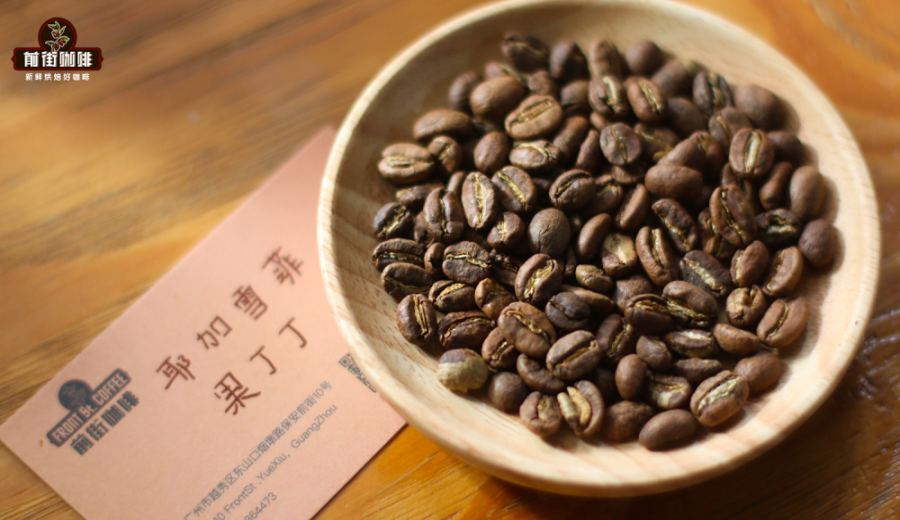
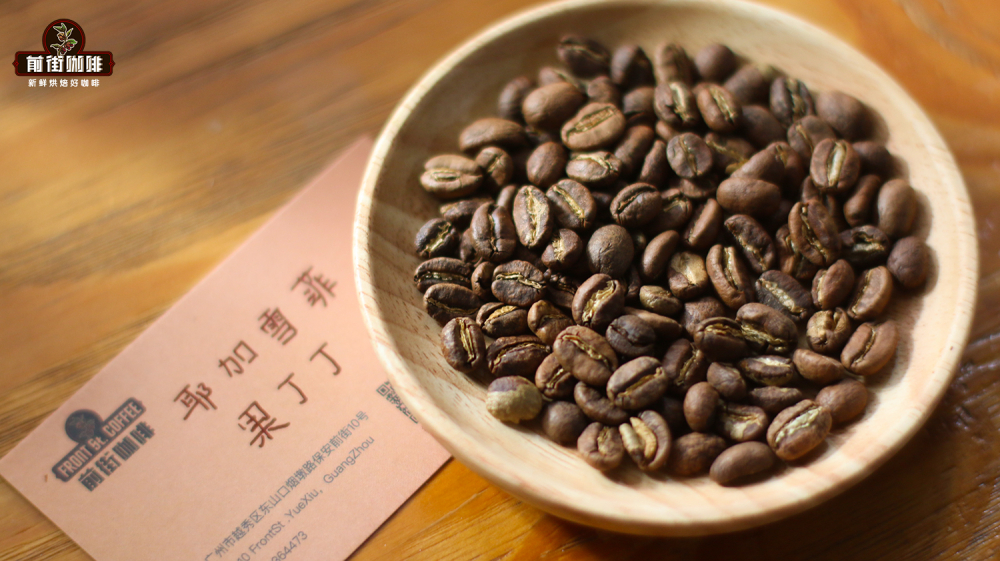
We take as an example a washed coffee bean from the Gedeo Zone of Yirgacheffe, Ethiopia. The growing area sits at an altitude between 1900 and 2300 meters, using the native Heirloom variety and classic washed processing, and is graded as G1. In cupping, this coffee displays bright berry and citrus notes, accompanied by honey sweetness and tea-like body. At higher temperatures, it has a vivid juice-like character, while slightly cooler, it reveals a soft creaminess and smooth texture.
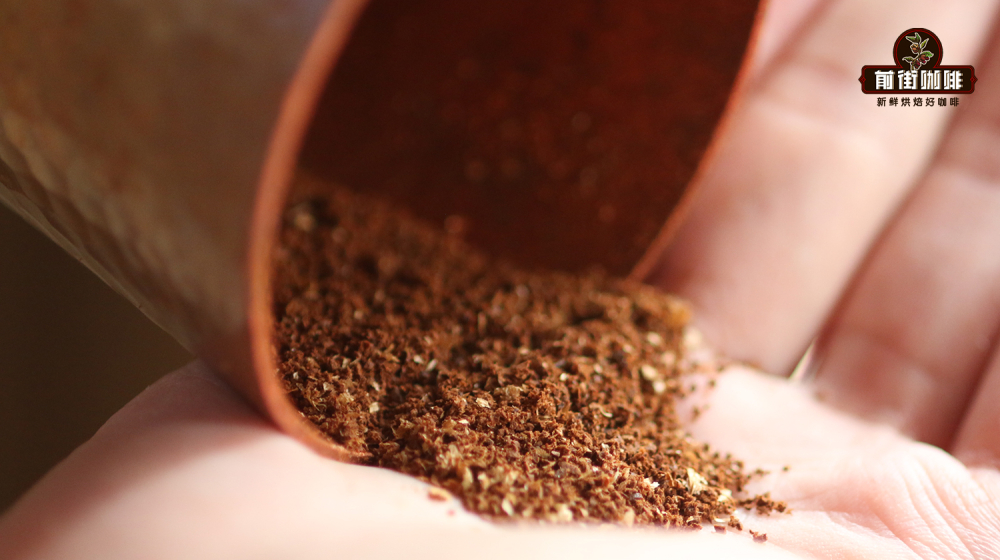
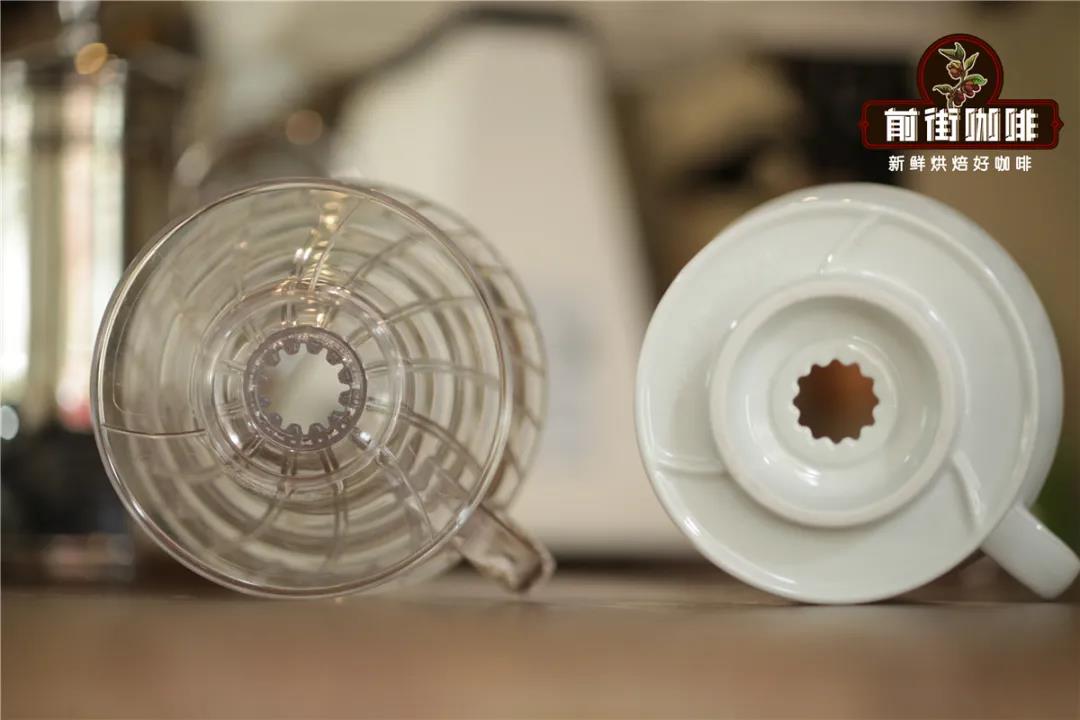
For grind size, a medium-fine grind is recommended—approximately a 78% passing rate through a Chinese standard No. 20 sieve. If ground too coarse, extraction will be insufficient, resulting in flat flavors; if too fine, over-extraction may occur at high temperatures, leading to unpleasant bitterness. To fully release its fresh fruit and floral notes, a V60 dripper is recommended. Its unique spiral ridges help vent heat from the coffee bed, facilitating better diffusion and dissolution of aromatic acids.
For brewing strategy, a three-stage pouring method is advised to sequentially extract different flavor layers. Regarding water temperature, if you prefer pronounced acidity and a tea-like finish, opt for 90°C to 91°C; if you’d rather have rounder acidity and a slightly fuller body, adjust slightly to 92°C to 93°C. For brew ratio, to emphasize its delicate floral notes and honey sweetness, 1:16 is recommended. This ratio balances the sharpness of acidity and allows the overall flavor to unfold more smoothly.
[Brewing Strategy for Natural Yirgacheffe]
Another example bean comes from the Arerta Cooperative in Yirgacheffe, part of the natural-processed Red Cherry batch, also graded as G1. It grows at an altitude of 2300 meters using local Heirloom varieties. The overall flavor is richer, with berry and fermented fruit aromas detectable even in the dry scent. When sipped, you can perceive the sweet-tartness of berries, honey-like sweetness, and the full-bodied texture of black tea.
Grind size is again medium-fine, suggested at approximately 80% passing rate through a No. 20 sieve, paired with a V60 dripper. The 60-degree angle design of the V60 extends contact time between water and coffee grounds, aiding in the stable release of sweet and acidic compounds. This coffee features pronounced juice-like flavors and sweetness; a center-pour technique is advised to maintain consistent bed temperature, supporting uniformity and layering in the cup.
For brew ratio, to enhance the full-bodied juice texture, 1:15 is recommended—slightly stronger than for washed beans—to help concentrate sweetness and acidity. Water temperature should be controlled between 91°C and 92°C. This range balances sweetness and body, making the natural process’s distinctive fermentation aromas more pronounced.
[How to Brew Yirgacheffe Cold Brew]
Cold brew is an excellent way to showcase Yirgacheffe’s low-acidity, refreshing qualities, whether washed or natural. Here's a basic cold brew method: First, choose freshly roasted Yirgacheffe beans (ideally roasted within two months to ensure aroma integrity). For this demonstration, we use 30 grams of coffee beans, ground to a consistency similar to superfine sugar—about an 80% passing rate through a No. 20 sieve.
Prepare a clean, airtight container with a capacity of over 300 milliliters. Add the ground coffee, then pour in 300 grams of room-temperature water, achieving a 1:10 coffee-to-water ratio. Stir well, seal tightly, and refrigerate for at least 12 to 24 hours. After extraction, filter out the grounds using paper or cloth filters to complete your refreshing cold brew coffee.
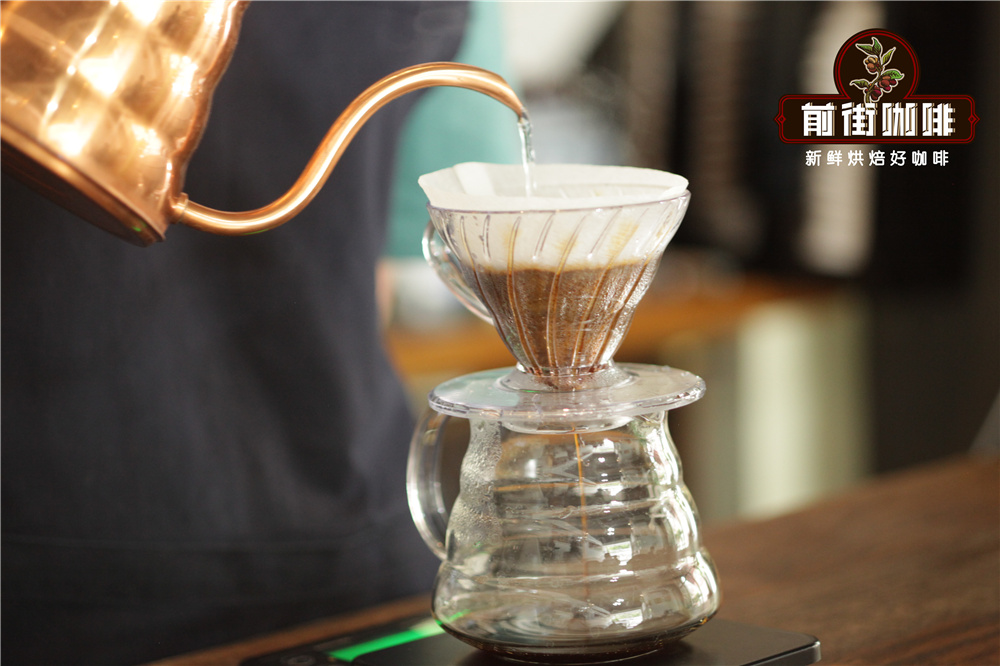
The cold brew version of Yirgacheffe delivers a notable citrus acidity, paired with an oolong-tea-like mouthfeel and the bright fruitiness of nectarines. The finish reveals subtle nutty notes. Overall, the cup is crisp and pleasant, perfect for summer or light daily drinking. Whether using pour over or cold brew, mastering the right parameters and techniques lets the unique flavors of Yirgacheffe shine through fully.

The above content is compiled by CoffeeHunters, a coffee news website.


